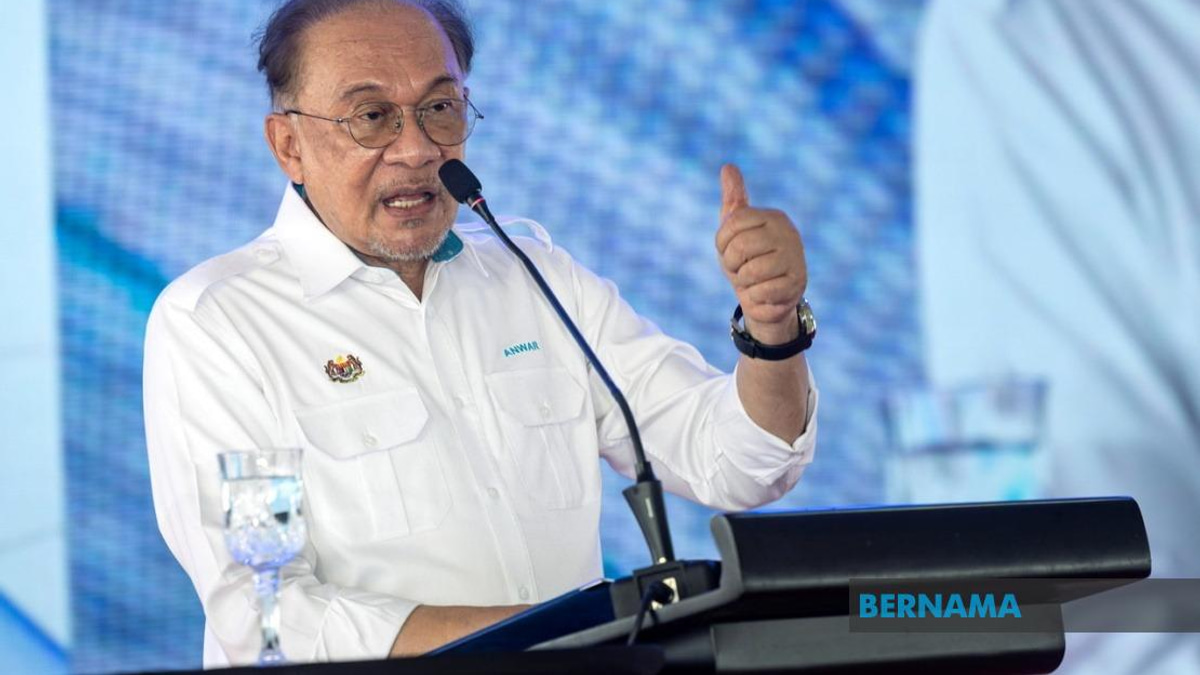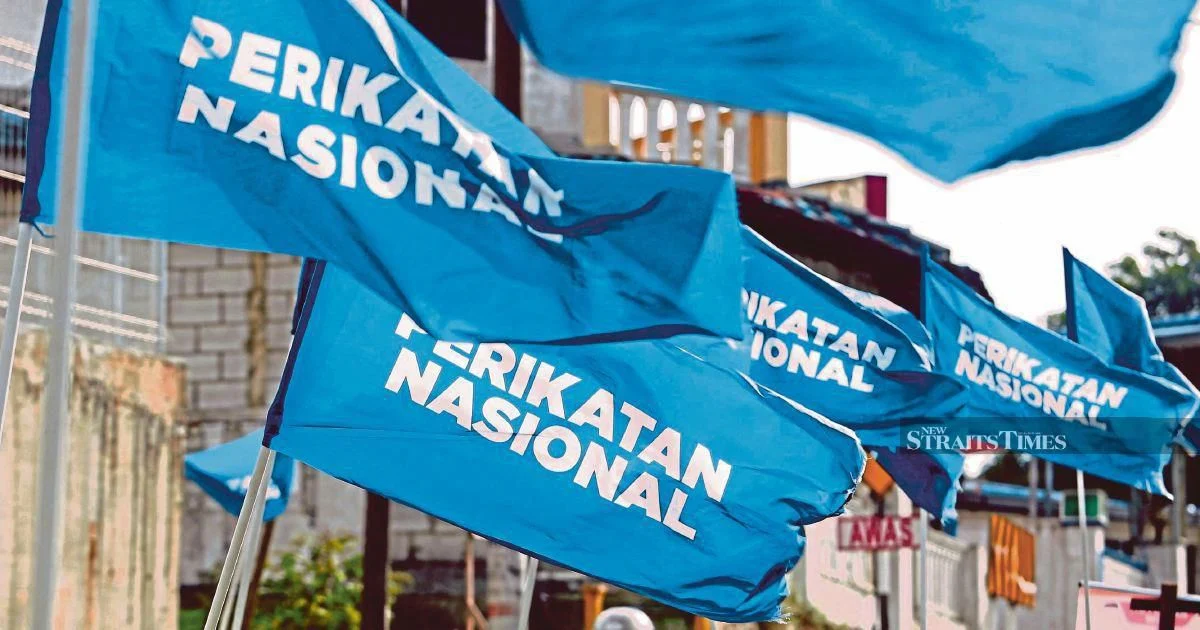
The Perikatan Nasional coalition faces fresh internal strain as PAS figures stepped up scrutiny of Bersatu's campaign strategy in the forthcoming state elections in Johor and Negri Sembilan. At the heart of the disagreement lies a procedural question about who holds the legitimate authority to deploy the PN logo, a symbol representing the broader three-party alliance that has positioned itself as an alternative political force nationally.
PAS leadership has moved to establish clear boundaries around the use of the coalition's visual identity, contending that such decisions cannot rest with individual member parties acting unilaterally. The Malaysian Islamic Party argues that logo deployment across campaign materials carries constitutional weight within alliance structures and cannot be decided piecemeal by component parties pursuing their own electoral interests. This position reflects deeper anxieties about maintaining cohesion within PN, which has struggled to present a unified front since its formation.
The timing of this dispute carries significance for both Johor and Negri Sembilan, states where electoral contests will test the coalition's ability to translate its national political presence into tangible electoral gains. These state-level contests often serve as bellwethers for voter sentiment and coalition durability, making the internal management of campaign mechanics particularly consequential. PAS's assertion of centralized logo authority suggests the party is concerned about maintaining organizational discipline and preventing unilateral decision-making that might undermine coordinated messaging.
Bersatu, the newer addition to the PN alliance and the party of former Prime Minister Mahathir Mohamad, has pursued an aggressive electoral strategy that sometimes appears to prioritize its own party interests over broader coalition unity. The tension between Bersatu's assertiveness and PAS's traditional role as the coalition's largest and most institutionally stable component speaks to fundamental questions about power distribution within PN. These structural imbalances have periodically surfaced in policy disagreements and campaign coordination problems across multiple electoral cycles.
The question of logo authority reflects broader governance challenges within Malaysian political coalitions. Unlike established arrangements in Barisan Nasional where hierarchical structures have long governed such matters, PN remains relatively informal in its organizational architecture. This lack of formalized procedures has created ambiguity about decision-making processes, particularly around high-visibility campaign elements like official coalition branding. Malaysian readers familiar with coalition politics will recognize this pattern as a recurring vulnerability in opposition alliances that lack the institutional maturity of longer-established political structures.
PAS leaders have consistently emphasized that only the PN chairman possesses the mandate to authorize such significant campaign decisions, a position that effectively challenges Bersatu's apparent assumption of unilateral authority. This assertion carries practical implications for how campaign materials are produced, distributed, and presented to voters across both states. Confusion or inconsistency in branding can damage a coalition's credibility during intensive campaign periods when voters are forming critical electoral judgments.
For voters in Johor and Negri Sembilan, these internal coalition mechanics translate into questions about the stability and seriousness of PN as a governing alternative. Coalition dysfunction visible at the campaign stage raises legitimate concerns about how such alliances would function if entrusted with state government formation and administration. The public nature of these disagreements inadvertently signals to voters that internal discipline and consensus-building remain works in progress rather than established strengths.
The dispute also underscores persistent tensions about PAS's role within PN's hierarchy. Despite being the largest component by membership and electoral base, PAS sometimes finds itself responding to initiatives from Bersatu or other partners rather than driving the coalition's strategic direction. The logo authorization controversy provides PAS an opportunity to reassert procedural authority and remind other coalition members that fundamental decisions require coalition-wide consensus rather than unilateral action by individual parties seeking electoral advantage.
From a broader Southeast Asian perspective, this Malaysian coalition dispute reflects familiar patterns in regional opposition politics where alliances struggle to balance autonomy of component parties with the need for unified action. Similar tensions have emerged in Thai, Philippine, and Indonesian coalition arrangements, suggesting that PN's challenges reflect systemic difficulties in maintaining cohesion among parties with distinct organizational cultures, membership bases, and strategic priorities. The question is whether PN can establish governance mechanisms robust enough to manage these differences or whether internal friction will continue to undermine its effectiveness as a political alternative.
The resolution of this logo dispute will likely reveal the actual power dynamics within Perikatan Nasional more accurately than any official hierarchy suggests. Whether Bersatu yields to PAS pressure and accepts centralized authorization, or whether the coalition develops a compromise procedure, the outcome will signal to observers whether PN can function as a coordinated political force or remains a loose arrangement of parties pursuing largely separate agendas under a shared umbrella.

%22%2F%3E%3C%2Fpattern%3E%3C%2Fdefs%3E%3Crect%20width%3D%22100%25%22%20height%3D%22100%25%22%20fill%3D%22url(%23ph523ndg)%22%2F%3E%3Crect%20width%3D%22100%25%22%20height%3D%22100%25%22%20fill%3D%22url(%23ph523ndp)%22%2F%3E%3Ctext%20x%3D%2250%25%22%20y%3D%2250%25%22%20text-anchor%3D%22middle%22%20dominant-baseline%3D%22central%22%20fill%3D%22rgba(255%2C255%2C255%2C0.95)%22%20font-family%3D%22Georgia%2C%20'Times%20New%20Roman'%2C%20serif%22%20font-weight%3D%22700%22%20font-size%3D%22272%22%20letter-spacing%3D%22-0.02em%22%3EAnwar%3C%2Ftext%3E%3C%2Fsvg%3E)