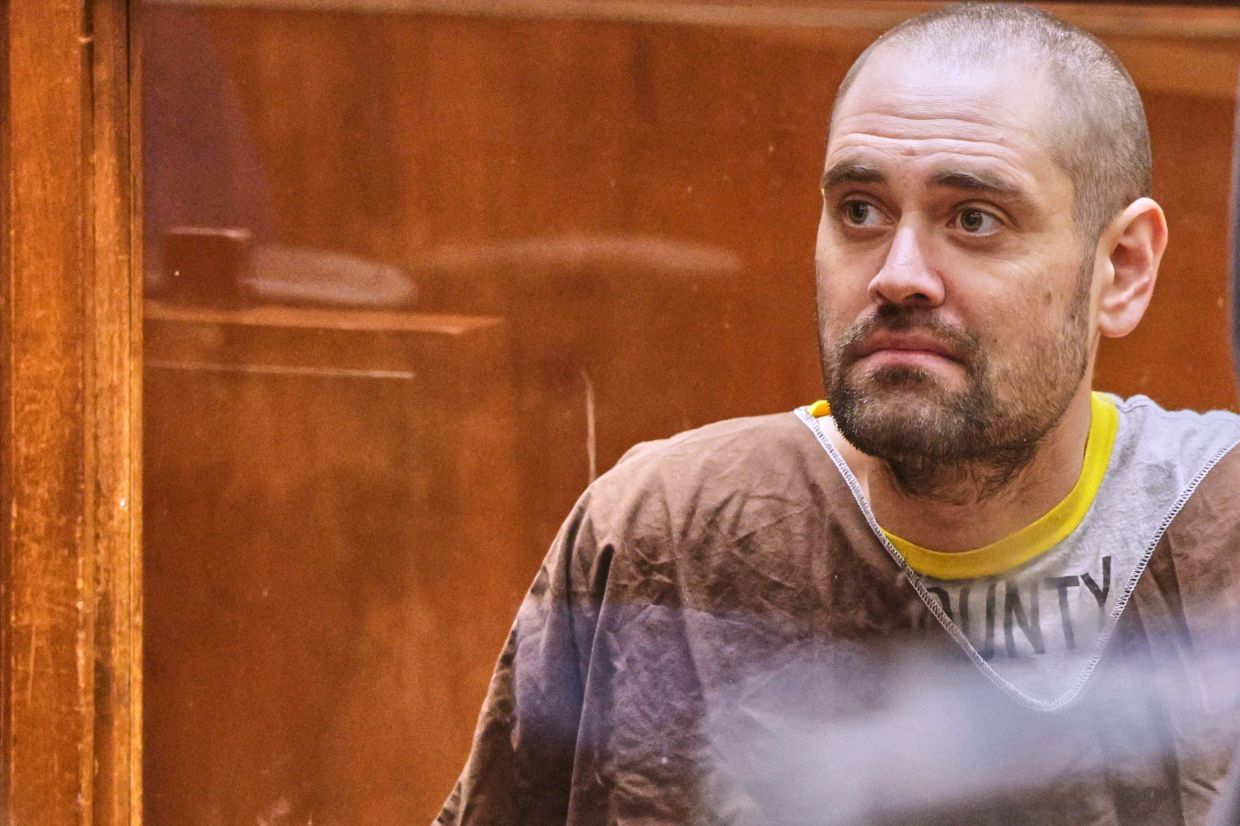
Nick Reiner, the 32-year-old son of renowned Hollywood director Rob Reiner, has filed a civil petition in Los Angeles County court requesting immediate access to trust funds his parents established for him decades ago. He argues the money is essential to mount a robust legal defence against murder charges, after his defence team left the case citing funding difficulties.
The petition, filed through Reiner's civil attorneys on Monday, contends that the trustees administering his trust have unlawfully denied him access to funds without legitimate grounds. Reiner's legal team asserts in the court document that their client maintains his innocence and deserves to draw upon his own lawful resources to challenge the charges against him, much like any other person accused of a crime would be entitled to do.
On December 14, Nick Reiner's parents—celebrated filmmaker Rob Reiner and photographer and producer Michele Singer Reiner—were stabbed to death in their Brentwood home in Los Angeles. Nick Reiner was taken into custody within hours and subsequently entered not guilty pleas to two counts of murder. The killings have been shrouded in mystery, with authorities remaining silent about potential motives and a court order restricting autopsy details from public disclosure.
The financial complications surrounding his defence represent a significant obstacle to Reiner's case. Initially, he retained Alan Jackson, a prominent Los Angeles defence attorney, but Jackson departed the representation less than a month into the engagement. The newly filed petition reveals that Reiner's siblings, Jake and Romy, had initially committed to funding Jackson's services but later withdrew their financial support, prompting the lawyer's departure. Jackson stated in a declaration submitted with the petition that his firm stands prepared to resume representation if funds become accessible.
The trust document in question was established in 1993 by Rob and Michele Reiner for their son. According to the petition, the trust contained explicit and unambiguous instructions that Nick Reiner should receive half of its assets upon turning thirty and the remaining balance at age thirty-five. However, Reiner contends he never received the funds due to him at thirty, and that the current trustee, attorney Paul R. Kanin, who assumed oversight in February, has repeatedly offered shifting explanations and justifications for withholding the money.
The petition characterises Kanin's refusal as lacking legal foundation, particularly regarding concerns about Reiner's competence that the filing argues have no bearing on what should be a straightforward mandatory payout under the trust's original terms. Beyond the standard threshold he reached at thirty, Reiner also seeks immediate access to the full balance intended for him at thirty-five, asserting that both his defence requirements and basic necessities while incarcerated make the funds urgently necessary.
The trust holds at least $1.5 million in assets according to the petition, though Kanin has declined to disclose the precise total value. This substantial sum underscores the financial stakes involved and the significance of the dispute. Kanin did not respond to requests for comment regarding the allegations.
The murder case itself is progressing slowly through the Los Angeles court system. Reiner remains incarcerated and is scheduled to appear for a pretrial hearing in September. The District Attorney's office, headed by Nathan Hochman, has indicated it has not yet determined whether to pursue the death penalty, for which Reiner would be eligible if convicted. The deliberate pace of proceedings, combined with information blackouts on both prosecution and defence sides, has left numerous fundamental questions about the deaths unanswered in the public domain.
When Jackson withdrew from the case, he made a striking declaration outside the courthouse, asserting emphatically that under California law Nick Reiner is not guilty of murder. His sudden departure and the subsequent revelations about the withdrawal of financial backing from his siblings paint a picture of a defence hampered by resource constraints rather than evidentiary weaknesses. This trust petition may prove pivotal in determining whether Reiner can afford the quality of legal representation necessary to mount an effective defence.
The broader family context adds another dimension to the unfolding drama. Jake Reiner, Nick's brother, provided his first detailed public account of the tragedy in April, describing the situation as a living nightmare too devastating to comprehend. The combination of losing his parents violently and having his brother at the centre of the homicide investigation has subjected the family to extraordinary trauma, a reality that underscores the human stakes underlying the legal proceedings.
For observers of high-profile criminal cases in the United States, the Reiner matter raises important questions about access to justice and the role of family dynamics in determining outcomes. The fact that Reiner's siblings initially agreed to fund his defence but subsequently withdrew support suggests internal family divisions about his guilt or innocence. Whether the court will compel the trustees to release the funds remains to be seen, but the decision could significantly alter Reiner's ability to mount the defence he seeks.