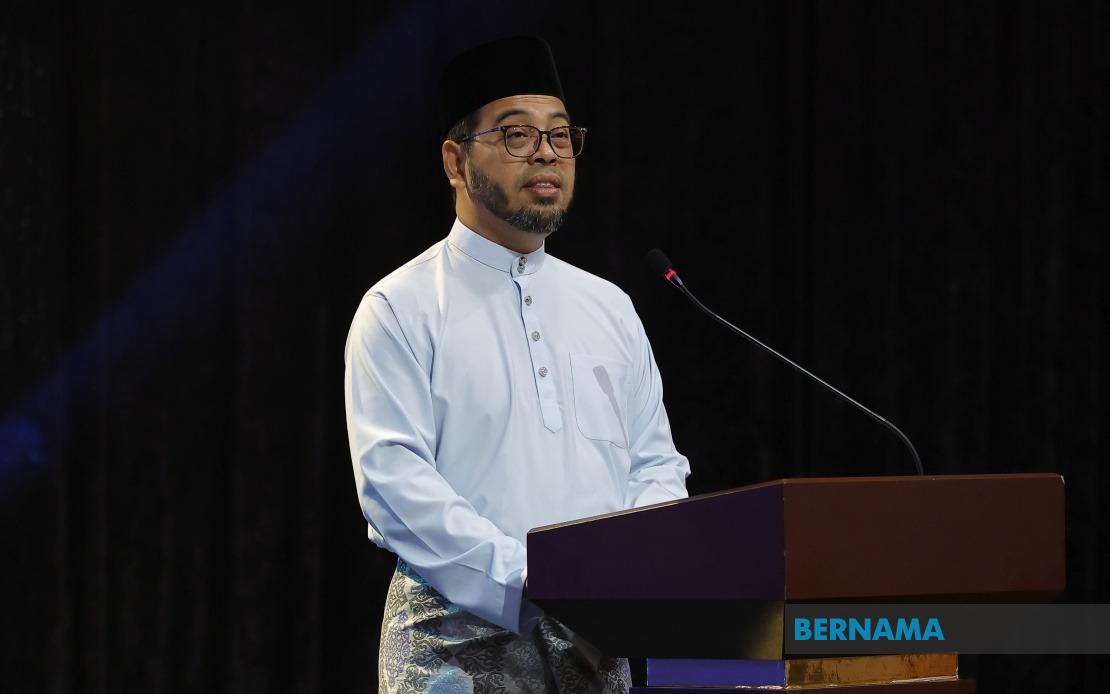
Dr Zulkifli Hasan, the Minister in the Prime Minister's Department (Religious Affairs), has urged the Muslim community in Malaysia to move beyond ongoing disputes and reconcile differences to fortify the unity of the ummah. Speaking at the national-level Maal Hijrah 1448H/2026M celebration held at Putra Mosque in Putrajaya on June 17, Zulkifli emphasised that resolving lingering hostilities within the community is essential for navigating the increasingly intricate challenges facing the nation and the broader world.
The ceremony, themed "MADANI Dihayati, Ummah Diberkati," drew prominent attendance including Sultan Nazrin Shah, the Sultan of Perak, and Deputy Prime Minister Datuk Seri Fadillah Yusof. The high-level participation underscored the government's commitment to fostering religious and social cohesion during a period when internal divisions have occasionally tested community bonds across Malaysia.
Zulkifli articulated a vision wherein meaningful social transformation begins with individual internal change—a process encompassing intellectual, spiritual, and moral development. This framework suggests that collective progress cannot be achieved through external policies alone, but requires a groundswell of personal commitment from community members to embrace shared values and principles. The minister's approach reflects a growing recognition among Malaysian policymakers that addressing contemporary challenges requires both institutional initiatives and grassroots cultural shifts.
The consequences of division are stark, according to Zulkifli's assessment. A fractured community invites hardship and weakens national resilience, whereas unity generates abundant blessings for all members. This characterisation carries particular weight given Malaysia's position as a multicultural nation where Muslim-majority cohesion directly influences broader social stability and economic performance. When the Muslim community functions as a unified force, it strengthens Malaysia's ability to respond collectively to shared concerns and opportunities.
Global economic pressures have intensified the urgency of Zulkifli's message. Malaysia, despite its regional economic strength, remains vulnerable to international supply chain disruptions and economic uncertainty that have rippled across countries worldwide. The minister contended that hearts aligned in common purpose and collective commitment among society members become increasingly vital when external forces threaten prosperity and stability. This perspective positions communal unity not merely as a religious or cultural imperative, but as a practical economic necessity.
Zulkifli called on Malaysians to sustain their support for government initiatives designed to elevate Muslim dignity and ensure Islamic values continue to flourish domestically. This framing positions religious preservation and national development as intertwined objectives. Government programmes aimed at advancing Islamic education, institutional frameworks, and cultural expression are presented not as sectarian concerns but as foundational elements of Malaysia's national identity and stability.
The minister reframed the traditional Islamic concept of hijrah—historically understood as physical migration—within a contemporary context. Rather than referring solely to geographical relocation, hijrah represents an ongoing spiritual and social journey of discarding harmful behaviours and cultivating virtues that strengthen community bonds among Muslims. This reinterpretation makes the ancient concept immediately relevant to modern Malaysian society, suggesting that each individual's personal reformation contributes directly to collective advancement.
Zulkifli stressed that strengthening communal unity enables more effective implementation of efforts to elevate and uphold Islamic values across Malaysian society. This causal connection—from internal harmony to external impact—suggests that religious and moral objectives cannot be realised in contexts of fractious division. The prerequisite for advancing religious institutions, education, and cultural influence is first establishing the foundational unity that permits coordinated action and shared commitment.
Beyond the Muslim community specifically, Zulkifli acknowledged that all Malaysian citizens, irrespective of their beliefs and backgrounds, bear a shared responsibility to preserve peace, stability, and prosperity. This inclusive framing affirms the constitutional framework of Malaysia as a multiethnic, multi-religious nation where religious communities maintain distinct identities while contributing to overarching national objectives. Such messaging is particularly significant in a regional context where communal tensions occasionally threaten social fabric.
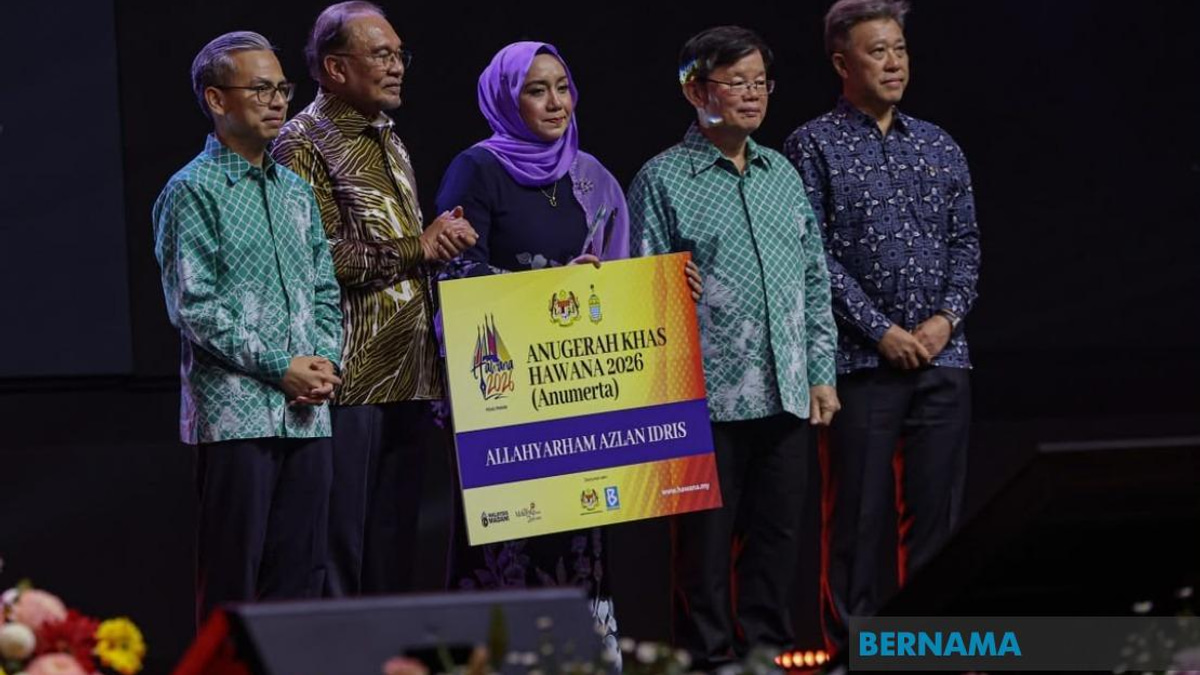
The ceremony recognised exemplary Muslim leadership through award presentations. International Islamic University Malaysia Rector Prof Emeritus Datuk Dr Osman Bakar received the National Tokoh Maal Hijrah award, recognising contributions to Islamic education and scholarship within Malaysia. The International Tokoh Maal Hijrah award was presented to Moroccan Islamic scholar Dr Ahmad Al-Raysuni, reflecting the government's emphasis on connecting Malaysian Islamic developments with broader global intellectual traditions. These recognitions signal that community advancement occurs through engagement with both domestic and international Islamic thought leaders.
The timing of this appeal carries significance as Malaysia continues balancing its identity as a Muslim-majority nation with its constitutional commitment to multireligious coexistence. Economic pressures, regional geopolitical shifts, and demographic changes create recurring challenges to social cohesion. Zulkifli's emphasis on internal reformation and spiritual-intellectual development suggests the government views cultural and religious alignment as essential infrastructure supporting broader national resilience during periods of external uncertainty and change.