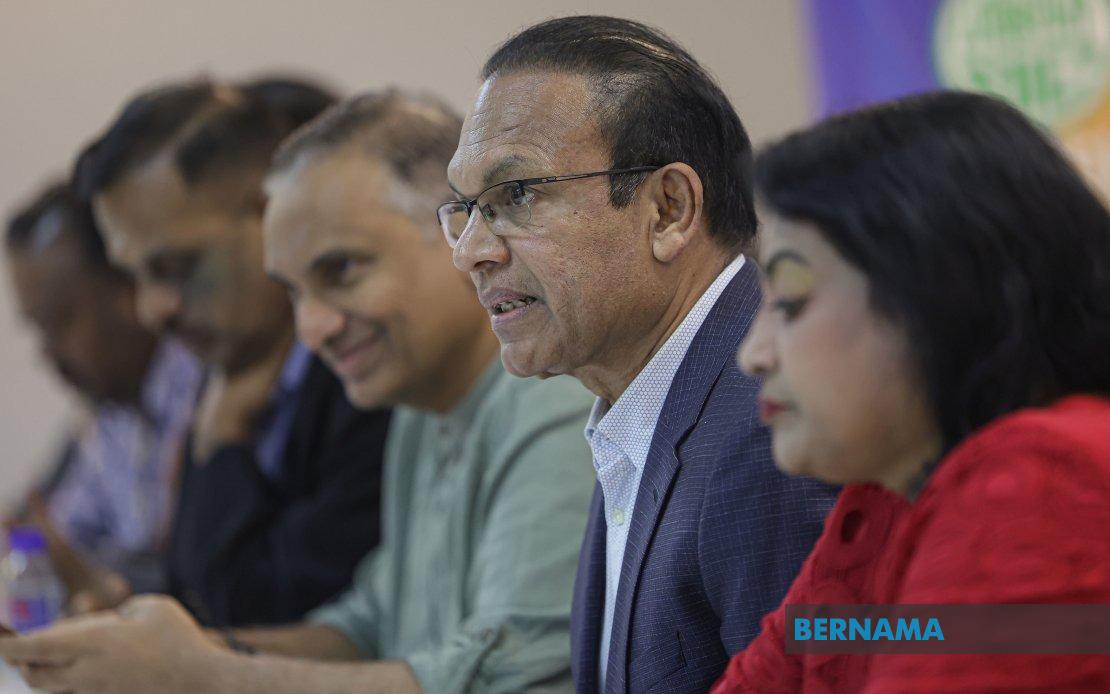
The Malaysian Indian Congress (MIC) is gearing up for the Johor state election with an allocation of four seats, according to party vice-president Datuk T. Murugiah. The decision was confirmed by MIC president Tan Sri SA. Vigneswaran following recent consultations with other Barisan Nasional component parties regarding election strategies for both Johor and Negeri Sembilan. This marks an important chapter for the predominantly Indian-based party as it seeks to maintain its footprint in the state during what promises to be a closely contested electoral campaign.
Although the party has received confirmation for its Johor allocation, the situation remains fluid for Negeri Sembilan, where final seat numbers have not yet been determined. Party officials indicated that final arrangements for the northern state are still being discussed within the BN coalition framework. The strategic emphasis for now remains focused on maximising performance in Johor, where the party hopes to build on its recent track record and expand its influence within the broader coalition.
MIC's approach to the July 11 polling demonstrates a sophisticated understanding of grassroots campaigning. The party is rolling out a comprehensive training programme targeting around 150 speakers from Johor Bahru this coming weekend. These campaigners will receive intensive preparation in public speaking techniques and messaging strategy, equipping them to effectively communicate with Indian voters across all 56 state constituencies that BN intends to contest. This broad-based engagement reflects MIC's recognition that maintaining relevance requires sustained effort throughout the electoral landscape, not merely in its designated seats.
Historical performance provides context for the party's current positioning. During the 2022 Johor state election, MIC demonstrated competitive strength by winning three of the four seats it contested—successfully capturing Kemelah, Kahang, and Tenggaroh while falling short in Bukit Batu. The party's track record suggests it has established solid organisational networks within certain constituencies, though the loss of Bukit Batu indicates vulnerabilities that require attention. Understanding these dynamics is crucial for Malaysian readers assessing the interplay between component parties within the BN coalition and how power is distributed across different communities.
Internal party sources have provided insights into the likely candidate distribution for this election cycle. Current indications suggest MIC will field candidates in Kemelah, Kahang, and Bukit Batu—representing a fresh attempt to reclaim the seat lost three years ago. Notably, the party is expected to cede Tenggaroh to UMNO in exchange for securing the Perling seat, illustrating the complex seat-sharing arrangements that characterise coalition politics in Malaysia. Such negotiations reflect broader discussions about resource allocation and community representation within BN's internal structures, matters of considerable importance to voters seeking to understand coalition dynamics.
Party leadership has signalled that substantial generational renewal will characterise the candidate slate, with approximately half expected to be new faces competing for the first time. This infusion of newer candidates may energise campaign activities and demonstrate the party's commitment to developing fresh talent within its ranks. However, it also carries inherent risks, as untested candidates may lack the established networks and political experience that proved valuable in previous contests. The balance between renewal and continuity represents a critical strategic consideration for party planners.
Regarding Negeri Sembilan, where polling has been scheduled for August 1, party insiders believe MIC may secure opportunities to contest two seats. This represents a potential expansion from previous electoral cycles and would provide the party with a meaningful presence in the state. However, these possibilities remain provisional pending formal confirmation from BN leadership, reflecting the ongoing negotiations characteristic of coalition politics during the pre-election period. For Malaysian readers in Negeri Sembilan, these potential opportunities signal that MIC intends to strengthen its community engagement across multiple states.
The electoral calendar has been firmly established, with nomination procedures scheduled for June 27 in Johor and July 18 in Negeri Sembilan. These dates provide the party with approximately two weeks to finalise candidate selection and complete administrative processes before formal nomination. The compressed timeline underscores the necessity for MIC to accelerate its internal preparations and ensure smooth transitions in constituencies where new candidates will be fielded. Such administrative precision is essential for avoiding procedural complications that could undermine the party's electoral prospects.
Beyond electoral politics, MIC is leveraging its 80th anniversary celebration to strengthen community bonds and enhance its public profile. The party is organising sports competitions across 152 locations nationwide, featuring football, badminton, bowling, carrom, and hiking activities. This diversified engagement strategy demonstrates recognition that political parties succeed by nurturing broad community relationships extending beyond election cycles. By explicitly inviting participation from all racial communities, MIC is signalling an inclusive approach and attempting to position itself as a unifying force within Malaysian society.
The broader strategic context reveals how minority community parties navigate within larger coalition frameworks. MIC's careful management of seat allocations, its intensive speaker training programme, and its community engagement initiatives collectively suggest a party conscious of its limited parliamentary representation but determined to maximise its influence within available constraints. For Southeast Asian observers, MIC's approach offers instructive insights into how component parties within dominant coalitions can maintain relevance and extract meaningful positions despite demographic limitations.
The success or failure of MIC's campaign will carry implications extending beyond the party itself. Indian community participation rates and voting patterns in Johor and Negeri Sembilan will provide important indicators of broader electoral trends affecting the BN coalition's overall performance. Additionally, how effectively MIC translates its preparation efforts into electoral victories will influence its bargaining position within BN during post-election coalition arrangements and resource distribution negotiations.
Looking forward, MIC's performance in both state elections will significantly influence its standing within BN and its capacity to advocate for community interests at state and national levels. The party's investment in grassroots preparation and candidate development suggests leadership confidence despite acknowledged challenges. However, execution will determine whether this preparation translates into the electoral successes necessary for maintaining the party's relevance within Malaysian politics and preserving its ability to represent Indian community interests during the next political cycle.