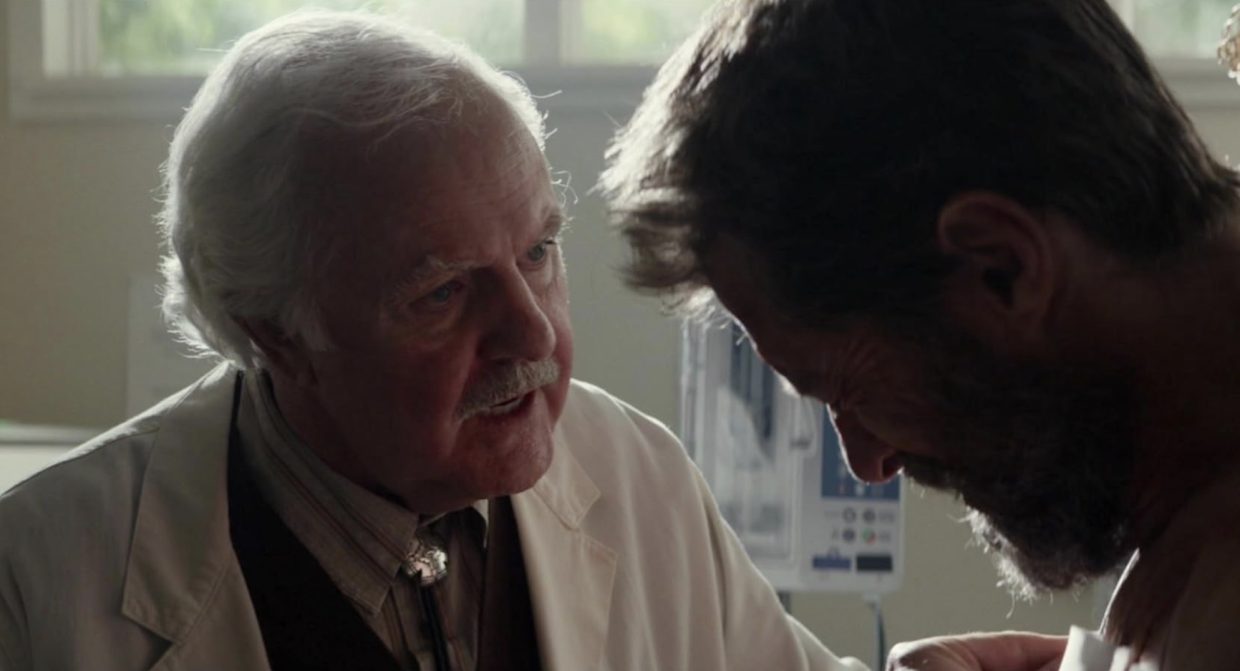
A Los Angeles Superior Court judge has determined that the man accused of fatally stabbing veteran character actor James Handy is mentally unfit to proceed through the criminal justice system. Judge Maria Cavalluzzi ruled on Monday that 44-year-old Michael Gledhill cannot comprehend the charges leveled against him or rationally collaborate with his legal representation in mounting a defense. This determination effectively halts criminal prosecution proceedings, at least temporarily, and shifts focus to evaluating Gledhill's mental health status and determining appropriate long-term care arrangements.
Gledhill's case took an unusual turn when he was arrested after explicitly telling responding police officers that he was the person they sought. Officers had been dispatched to a residential address following a 911 call in which the caller stated: "I am the son of man, I just killed the man of sin." The circumstances surrounding Handy's death and Gledhill's immediate self-identification to authorities raised immediate questions about his mental state, setting the stage for the competency evaluation that would ultimately derail the prosecution.
The formal legal process moved swiftly once concerns about Gledhill's mental fitness emerged. When Gledhill failed to appear for his scheduled arraignment on June 5, the presiding judge elected to pause criminal proceedings and direct the case toward the mental health evaluation division of the court system. Psychiatric assessments conducted in that specialised courtroom concluded promptly that Gledhill lacked the requisite mental competency to participate meaningfully in criminal court proceedings. Judge Cavalluzzi's Monday ruling formally ratified these findings, establishing that Gledhill cannot understand the nature and severity of the case against him and cannot rationally assist his defense attorney.
The incompetency determination extends beyond Gledhill's ability to comprehend legal proceedings. Judge Cavalluzzi additionally found that Gledhill lacks the capacity to make informed decisions regarding his own medical treatment. Drawing on psychiatric evaluations, the judge authorised involuntary medication for a period of up to one year, with the evaluation citing the psychiatrist's professional assessment that appropriate pharmaceutical intervention could substantially improve Gledhill's mental health condition. This aspect of the ruling reflects the court's belief that medical treatment, rather than criminal punishment, may address the underlying causes of Gledhill's behaviour.
Gledhill is scheduled to return to court on July 14 for a hearing that will determine his long-term placement and treatment trajectory. The outcome of that hearing will likely determine whether he enters a psychiatric facility, a secure mental health institution, or some form of supervised community care arrangement. Should Gledhill eventually be evaluated as mentally competent to stand trial at some future date, the criminal murder charge against him could be reinstated and prosecuted fully. For now, however, the focus remains on stabilising his mental health through medical intervention rather than advancing criminal charges.
James Handy, the 81-year-old victim, had enjoyed a lengthy and prolific career as a character actor spanning decades of film and television work. Handy's professional trajectory represented the kind of sustained success that defines working actors who accumulate substantial credits across multiple genres and formats, becoming familiar presences in American entertainment. His death marked a tragic conclusion to a career that had kept him continuously engaged in his craft across generations of viewers and audiences.
According to Brian Delate, a longtime friend and fellow actor who knew Handy well, Gledhill's mother had converted her garage into a living space for her son. While Handy maintained his own residence, he spent considerable time at the mother's home, apparently developing a relationship with the family. Delate revealed that Handy had mentioned casually to him that his girlfriend's son—a likely reference to Gledhill—experienced mental health difficulties. This background context suggests that the relationship between Handy and Gledhill may have involved complex personal and family dynamics, with mental health challenges potentially playing a significant role in the tragic outcome.
The case presents the kind of scenario that increasingly confronts courts across the United States and internationally: how the criminal justice system should respond when someone commits a serious violent act but manifests clear signs of significant mental illness. The determination that Gledhill cannot comprehend the charges against him or assist in his own defence reflects established legal standards that require defendants to possess a minimum threshold of understanding and rational capacity. These standards exist in recognition that prosecuting and imprisoning individuals who cannot meaningfully participate in their own defence raises both ethical and constitutional concerns.
For Malaysian readers and others in Southeast Asia, the case illustrates broader challenges facing legal systems when mental health issues intersect with serious criminal allegations. The decision to suspend criminal proceedings in favour of psychiatric evaluation reflects evolving approaches to criminal justice that acknowledge mental illness as a discrete issue requiring specialised intervention. Whether Gledhill will ultimately be restored to competency, remain permanently unfit, or face eventual trial remains uncertain. What is clear is that the Los Angeles court system has prioritised his mental health assessment and treatment over immediate criminal prosecution, a choice that reflects contemporary thinking about accountability, culpability, and the proper role of psychiatry in the justice system.