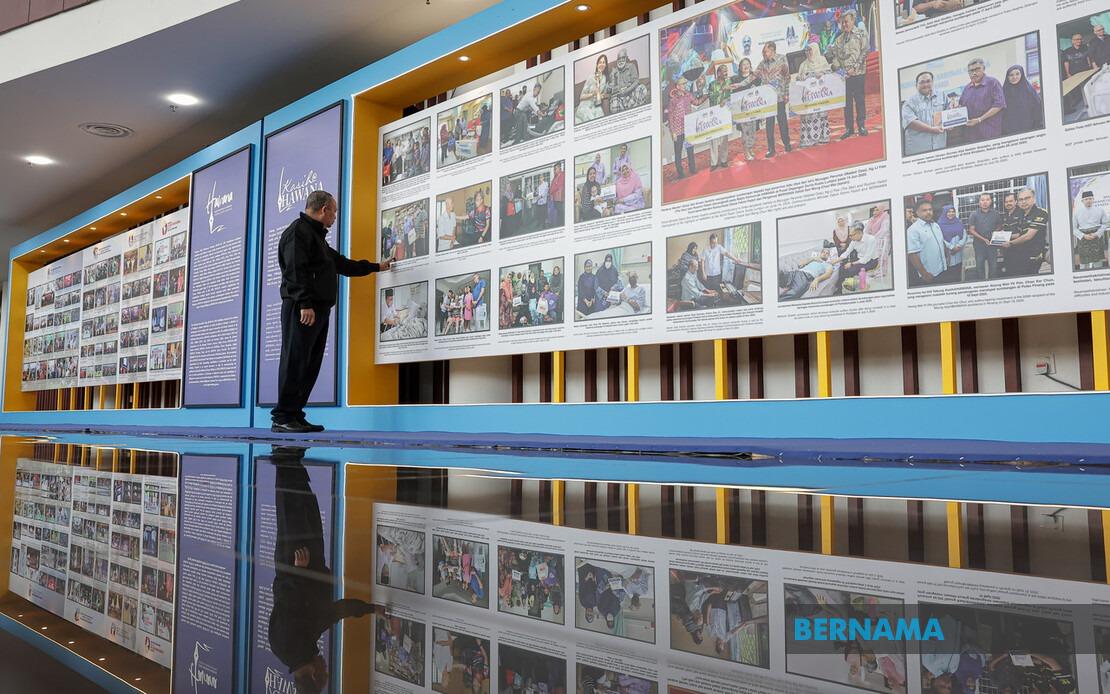
Penang is hosting the National Journalists' Day celebration this week, with HAWANA 2026 serving as a watershed moment for Malaysia's media sector to grapple with existential questions about the profession's relevance in an increasingly digital and AI-driven landscape. The four-day gathering in Butterworth has transformed into a comprehensive forum where journalism bodies, news organisations and media clubs are openly debating the industry's trajectory while simultaneously celebrating the dedication of practitioners across the country.
The programme schedule demonstrates the complexity of challenges facing Malaysian journalism today. Rather than simply marking the occasion with ceremonial events, organisers have structured the week around substantive discussions that acknowledge the pressures reshaping newsrooms nationwide. The Malaysian Press Institute's town hall forum, held at Han Chiang University College of Communication, directly confronted the sector's future with its provocative title: "2035: Will Journalists Still Exist?" This framing reflects genuine industry anxiety about whether traditional journalism roles will persist as artificial intelligence becomes capable of processing information, identifying newsworthy patterns and even generating preliminary news reports.
The Malaysia Media Retreat 2.0, coordinated by the Malaysian Federation of Media Clubs, brought together representatives from 15 media clubs across the country for strategic discussions about the federation's direction. According to GKMM president Mohamad Fauzi Ishak, the retreat served dual purposes: reinforcing professional networks among journalists working in different regions and evaluating the federation's performance since its official registration on October 24, 2022. The gathering took on additional significance as a preparation for GKMM's upcoming third annual general meeting, which will proceed without contested elections, suggesting consensus on current leadership direction.
Communications Minister Datuk Fahmi Fadzil's participation in opening the retreat underscores government recognition that media stability matters for national discourse. His presence, alongside Bernama Chief Executive Officer Datin Paduka Nur-ul Afida Kamaludin and Editor-in-Chief Arul Rajoo Durar Raj, signals official commitment to supporting the profession even as technological disruption threatens traditional business models. This ministerial engagement provides a platform for dialogue between policymakers and newsroom leaders about regulatory approaches that might cushion the sector's transition.
The substantive focus on digitisation and artificial intelligence reflects real anxieties in Malaysian newsrooms. Rising AI capabilities have already begun displacing certain reporting functions, from basic financial news summaries to straightforward sports recaps. Simultaneously, audience consumption patterns have shifted dramatically, with younger demographics obtaining news primarily through social media feeds rather than dedicated news platforms. The town hall discussion, featuring MPI president Datuk Yong Soo Heong alongside senior editors from New Straits Times Press and Media Prima, positioned experienced leaders to articulate how newsrooms might evolve rather than simply disappear.
Farrah Naz Abd Karim, New Straits Times Press deputy group managing editor, and Azhari Muhidin, Media Prima's group editor, brought perspectives from Malaysia's largest news organisations to the conversation. Their participation suggests that even established media corporations recognise the need for candid industry dialogue about structural transformation. Rather than treating AI as an external threat to be resisted, prominent editors appear willing to explore how technological capabilities might augment rather than replace human journalism's investigative and interpretive functions.
The Malaysian Media Council's scheduled engagement sessions with practitioners throughout the week emphasise relationship-building alongside policy discussions. By creating space for informal networking among northern region media professionals, organisers acknowledged that professional solidarity and peer support become increasingly valuable during periods of rapid change. These interpersonal connections can facilitate knowledge-sharing about technological adaptation, business model experimentation and editorial strategies across different news organisations and market segments.
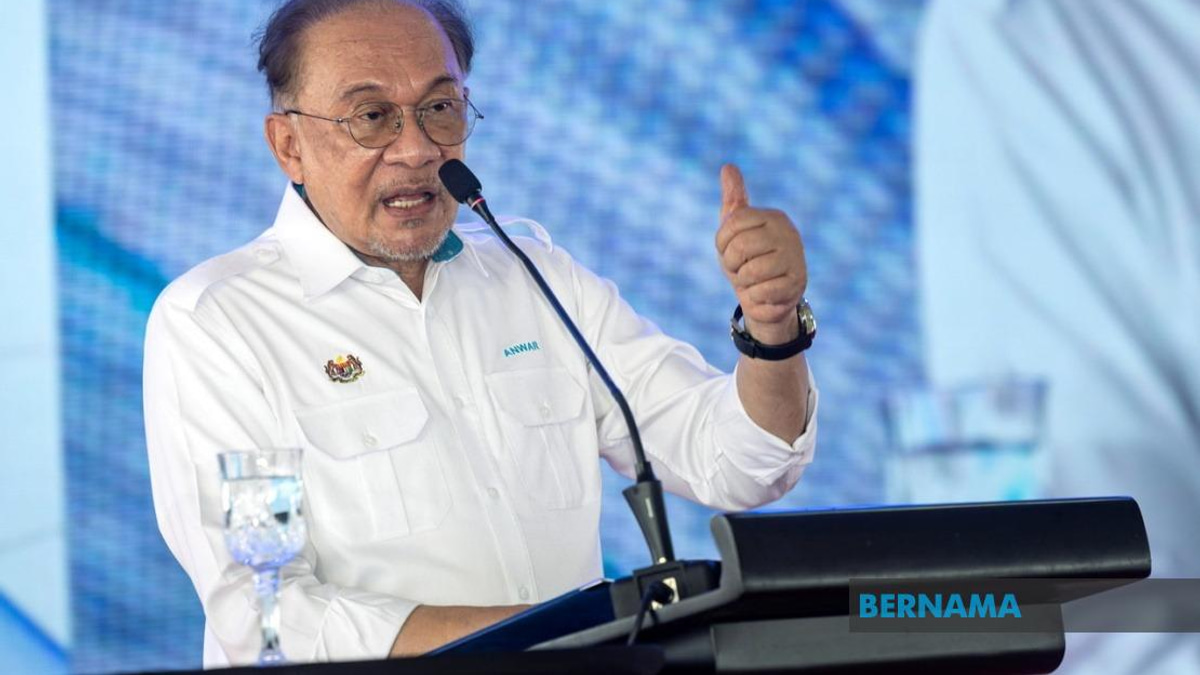
Prime Minister Datuk Seri Anwar Ibrahim's formal participation at tomorrow's main celebration, expected to draw approximately 1,000 media practitioners from Malaysia and internationally, elevates HAWANA 2026 beyond a sectoral gathering to a statement about journalism's importance to national governance. The theme, "Media Integrity, Foundation of Credibility," explicitly connects journalism quality to societal trust during a period when misinformation and disinformation have become increasingly sophisticated challenges. The Prime Minister's involvement suggests official acknowledgment that supporting independent journalism serves fundamental national interests.
The concurrent RIUH @ HAWANA Carnival, running for three days at PICCA Convention Centre, indicates organisers' intention to make media industry discussions accessible beyond professional practitioners. Public attendance at carnival programming could help broaden understanding of journalism's evolving role while potentially attracting new generation interest in media careers. This hybrid approach—combining technical industry forums with public-facing cultural programming—reflects sophisticated thinking about how to sustain journalism's professional standards while rebuilding audience engagement and trust.
For Malaysian media organisations, HAWANA 2026 represents a critical moment for collective problem-solving. The formal structure of retreat sessions, town halls and council meetings provides frameworks for discussing solutions that individual newsrooms might struggle to develop in isolation. Questions about AI integration, sustainable business models, audience retention and professional standards cannot be adequately addressed through competition alone; they require industry-wide conversation about shared challenges and potentially coordinated approaches to emerging opportunities.
The gathering also acquires regional significance as other Southeast Asian countries face identical pressures. Malaysian media's willingness to openly debate artificial intelligence and digitalisation's implications positions the country as a thoughtful participant in regional journalism discourse. The participation of international practitioners, noted in the expected attendance figures, suggests HAWANA 2026 could influence how other regional media sectors approach technological transition.
Ultimately, this week's programming reflects understanding that journalism's future depends on proactive adaptation rather than defensive resistance. By creating dedicated space for discussing AI capabilities, audience behaviour changes and professional standards simultaneously, Malaysian media leaders are demonstrating commitment to sustaining journalism as a credible, technologically current profession. Whether these discussions translate into concrete institutional changes across newsrooms nationwide will become clear in coming months, but the breadth of this week's engagement suggests serious industry appetite for transformation.

%22%2F%3E%3C%2Fpattern%3E%3C%2Fdefs%3E%3Crect%20width%3D%22100%25%22%20height%3D%22100%25%22%20fill%3D%22url(%23ph523ndg)%22%2F%3E%3Crect%20width%3D%22100%25%22%20height%3D%22100%25%22%20fill%3D%22url(%23ph523ndp)%22%2F%3E%3Ctext%20x%3D%2250%25%22%20y%3D%2250%25%22%20text-anchor%3D%22middle%22%20dominant-baseline%3D%22central%22%20fill%3D%22rgba(255%2C255%2C255%2C0.95)%22%20font-family%3D%22Georgia%2C%20'Times%20New%20Roman'%2C%20serif%22%20font-weight%3D%22700%22%20font-size%3D%22272%22%20letter-spacing%3D%22-0.02em%22%3EAnwar%3C%2Ftext%3E%3C%2Fsvg%3E)