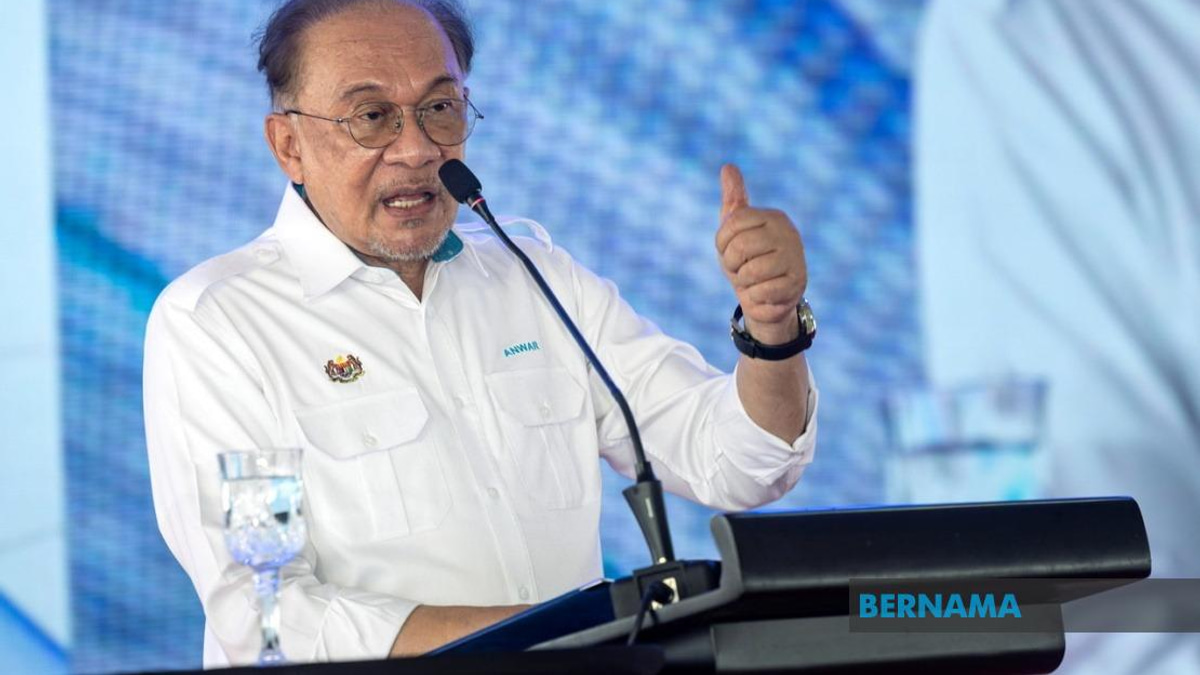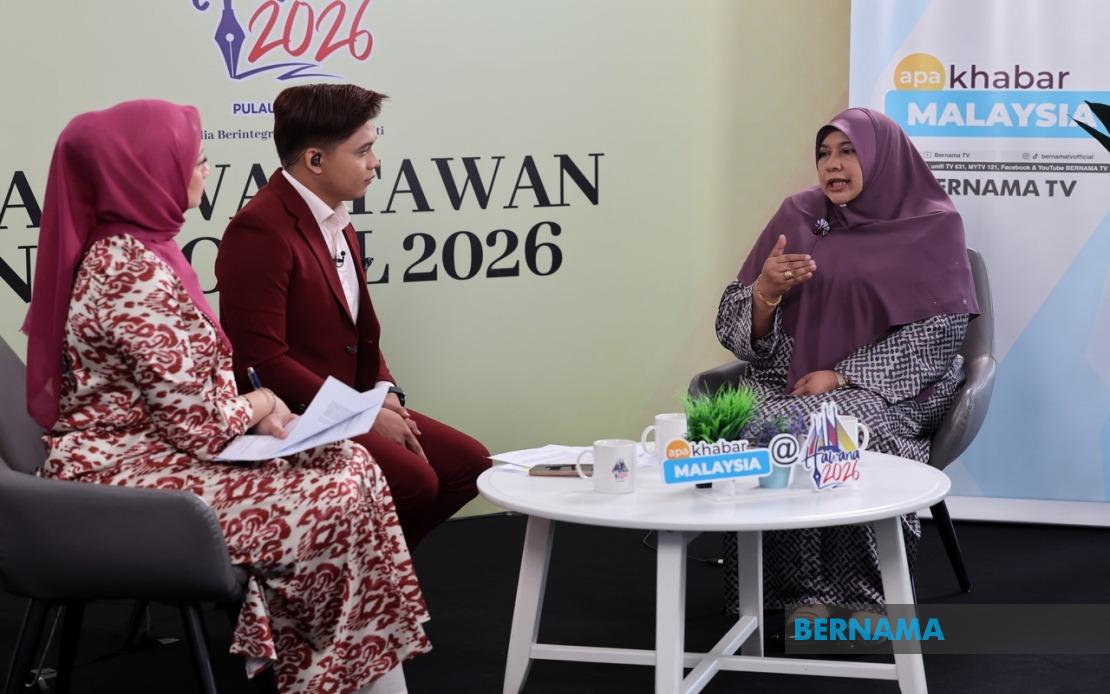
Penang is preparing to welcome Malaysia's journalism community for the grand finale of HAWANA 2026, with Prime Minister Datuk Seri Anwar Ibrahim scheduled to officiate proceedings at 3 pm tomorrow. The summit, bringing together roughly 1,000 media practitioners, represents the pinnacle of the nation's annual celebration of journalism and its essential contribution to informed public discourse. Under the banner "Media Integrity Strengthens Credibility," the event underscores the profession's commitment to upholding standards in an era when public trust in media institutions faces mounting pressure across the region.
The guest list reflects the significance accorded to this gathering within Malaysia's political and communications establishment. Penang Chief Minister Chow Kon Yeow and Communications Minister Datuk Fahmi Fadzil will be among those attending, alongside senior figures from Bernama, the Malaysian National News Agency. Datin Paduka Nur-ul Afida Kamaludin, who chairs both Bernama and the HAWANA 2026 Working Committee, has characterised the occasion as extending beyond mere recognition of journalists' efforts. Instead, she positions it as an opportunity for media professionals to fortify their professional networks and foster connections with the broader community they serve.
The framing of HAWANA as a vehicle for strengthening relationships within the journalism profession carries particular relevance for Southeast Asia's media landscape. Regional newsrooms increasingly grapple with resource constraints, digital disruption, and evolving audience expectations. By creating formal spaces where journalists can convene, share experiences, and collectively affirm professional standards, Malaysia's media establishment sends a signal about the value it places on maintaining cohesion within the industry. The involvement of MyCreative Venture, a ministry-affiliated agency, alongside the extensive carnival programming illustrates how government and creative sectors are seeking to position journalism as integral to national cultural and economic life.
One substantial component of tomorrow's proceedings involves the transfer of financial support to veteran journalists in need through the Tabung Kasih@HAWANA fund. This initiative reflects awareness within Malaysia's media establishment that many journalists, particularly those in the early decades of their careers or approaching retirement, face economic precarity. By institutionalising welfare support and making its distribution a centrepiece of the national celebration, policymakers implicitly acknowledge the sector's challenges and the importance of ensuring that those who have dedicated careers to journalism benefit from systemic backing during difficult periods.
The presentation of HAWANA Awards and Special Awards to recognised figures recognises journalism's historical architecture and those who have shaped it. These accolades celebrate not merely technical competence but broader contributions to public thinking and the intellectual development of Malaysian society. At a time when journalism's role is contested globally, Malaysia's formal recognition of exemplary practitioners sends a message about professional standards and the enduring relevance of journalism as a civilising institution within the democratic order.
The decision to broadcast proceedings live across Bernama TV, RTM, and TV AlHijrah, supplemented by social media distribution, ensures that HAWANA 2026's message reaches audiences well beyond the immediate gathering in Penang. This multimedia approach reflects contemporary realities about how Malaysians consume news and information. By simultaneously engaging traditional broadcast platforms and digital channels, organisers maximise the event's reach and ensure that journalism's value proposition connects with diverse demographic cohorts across the country.
Accompanying the main summit, the RIUH Pi HAWANA Carnival—hosted over three days at the PICCA Convention Centre—creates a participatory element that distinguishes this year's celebration. By curating performances from popular musicians including Bunkface, Masdo, and other contemporary artists, alongside hosting more than two dozen local creative brands and food vendors, organisers have constructed an environment where media professionals and the general public interact informally. This carnival dimension democratises access to the profession and helps demystify journalism for ordinary Malaysians, potentially nurturing future generations of media practitioners and fostering broader public appreciation for media's functions.
The HAWANA celebration itself traces its origins to May 29, 1939, when the Utusan Melayu newspaper published its inaugural edition. This historical grounding gives the contemporary observance deeper resonance, connecting present-day practitioners to journalism's foundational role in Malaysia's emergence as a nation. In an era when media institutions sometimes appear reactive to external pressures rather than proactive in shaping public discourse, positioning HAWANA as a continuity celebration anchors the profession within a longer historical narrative of nation-building and democratic development.
The preceding forums and activities organised throughout HAWANA 2026—including the Media Forum in May and the strategic partner meeting earlier in June—suggest a deliberate effort to create sustained engagement rather than confining recognition to a single ceremonial moment. These structured conversations among practitioners, government officials, and strategic partners provide opportunities to address substantive issues affecting journalism's evolution in Malaysia. Whether discussions centre on digital transformation, audience trust, or professional standards, these forums acknowledge that celebrating journalism requires moving beyond rhetoric to tackle real operational and strategic challenges.
For Southeast Asian media professionals observing Malaysia's approach, HAWANA 2026 offers instructive lessons about how national governments and media organisations can collaborate to reinforce professional identity and standards. The integration of government recognition through the Prime Minister's presence, alongside the profession's own awards mechanisms and community engagement programming, creates a multifaceted celebration that acknowledges journalism's public responsibility while respecting editorial independence. This balanced approach contrasts with less constructive models elsewhere in the region where government engagement with media can become coercive or constraining.
The convergence of approximately 1,000 journalists in Penang tomorrow represents a rare moment when Malaysia's dispersed media community—spanning print, broadcast, digital, and independent platforms—physically convenes around shared professional identity. In an industry characterised by intense competition and sometimes fragmented attention, such gatherings reinforce the notion that journalists participate in a collective enterprise larger than individual newsrooms or outlets. This professional solidarity becomes particularly important when facing external pressures, whether commercial, political, or technological, that might otherwise atomise the sector and diminish its collective voice.
As Malaysia progresses through 2026, HAWANA's emphasis on integrity and credibility assumes heightened significance. Digital misinformation, political polarisation, and audience scepticism present global challenges that Malaysia's journalism community must navigate thoughtfully. By making these values central to this year's celebration and programming, the event positions Malaysian journalism as committed to upholding standards that distinguish professional reporting from the broader information ecosystem. The question facing the profession going forward involves translating this rhetorical commitment into sustained practice across all media platforms and organisational contexts.

%22%2F%3E%3C%2Fpattern%3E%3C%2Fdefs%3E%3Crect%20width%3D%22100%25%22%20height%3D%22100%25%22%20fill%3D%22url(%23ph523ndg)%22%2F%3E%3Crect%20width%3D%22100%25%22%20height%3D%22100%25%22%20fill%3D%22url(%23ph523ndp)%22%2F%3E%3Ctext%20x%3D%2250%25%22%20y%3D%2250%25%22%20text-anchor%3D%22middle%22%20dominant-baseline%3D%22central%22%20fill%3D%22rgba(255%2C255%2C255%2C0.95)%22%20font-family%3D%22Georgia%2C%20'Times%20New%20Roman'%2C%20serif%22%20font-weight%3D%22700%22%20font-size%3D%22272%22%20letter-spacing%3D%22-0.02em%22%3EAnwar%3C%2Ftext%3E%3C%2Fsvg%3E)