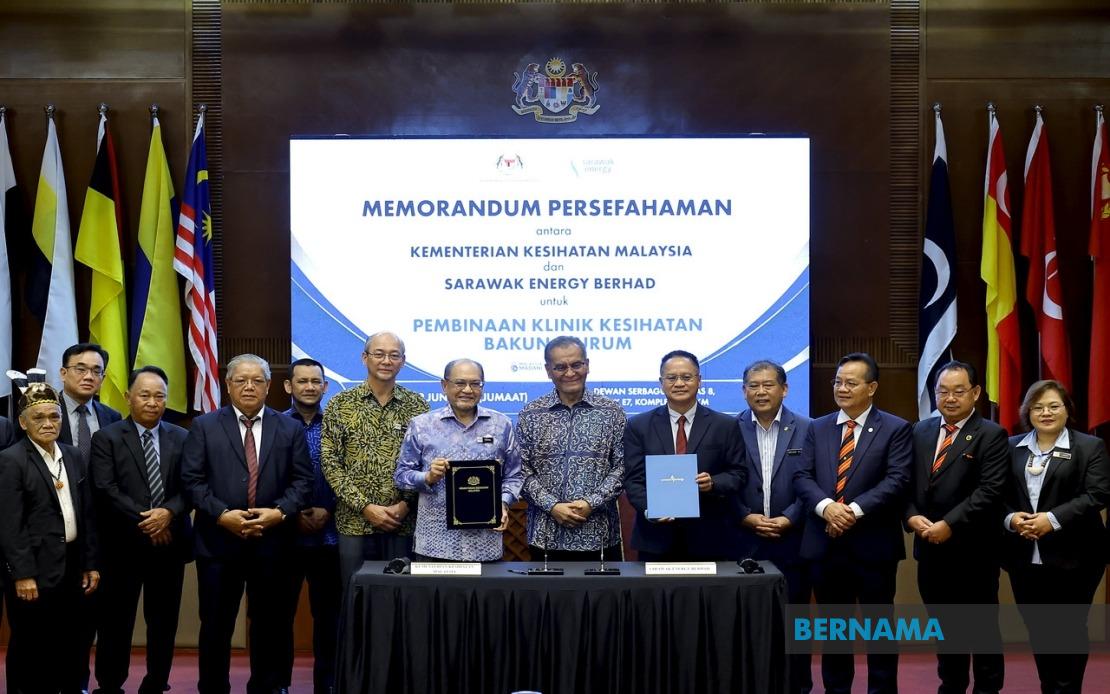
The Malaysian Health Ministry has reached a critical juncture in dismantling administrative barriers that have long constrained the development of its medical specialist workforce. During remarks at a health facility signing ceremony in Putrajaya on June 19, Health Minister Datuk Seri Dr Dzulkefly Ahmad acknowledged that procedural obstacles exist within the healthcare system but pledged that the government is moving into its final phase of resolving these impediments. The timing of these statements underscores growing urgency around Malaysia's escalating healthcare capacity challenges, particularly as the nation's population continues to age and demand for specialist care intensifies across both urban and rural regions.
The scale of Malaysia's specialist shortage has become increasingly difficult to ignore. Approximately 11,000 medical specialists are currently absent from the healthcare system, a deficit that spans both public and private medical institutions. This gap represents not merely a statistical problem but a tangible strain on the delivery of advanced healthcare services to ordinary Malaysians. The shortage affects surgical specialties, diagnostic fields, and medical subspecialties alike, creating bottlenecks in treatment pathways and forcing some patients to seek care abroad at considerable personal expense. For many middle and lower-income families, such options remain inaccessible, effectively creating a two-tiered system where access to specialist care depends increasingly on financial capacity rather than medical need.
Dr Dzulkefly's acknowledgment of bureaucratic constraints signals a shift toward transparency within the ministry regarding systemic challenges. Rather than deflecting concerns, the minister identified specific bottlenecks requiring resolution to accelerate specialist production. These obstacles likely encompass training approval processes, accreditation requirements, curriculum alignment with international standards, and facilities infrastructure that must be established before new specialist positions can be meaningfully filled. By framing these issues as addressable rather than insurmountable, the ministry appears to be preparing ground for substantive regulatory changes that could reshape how specialist training is administered and monitored.
The government's approach hinges on synchronizing specialist workforce expansion with healthcare infrastructure development. Rather than rapidly increasing specialist numbers without corresponding improvements to physical facilities, equipment, and support systems, the Health Ministry is adopting a measured expansion strategy. This philosophy reflects lessons learned from healthcare systems globally, where specialist training without adequate institutional capacity leads to poor outcomes and staff frustration. In Malaysia's context, such coordination proves particularly important given the vast geographical disparities between urban centers and rural areas, where infrastructure readiness varies significantly. Peninsular Malaysia's developed healthcare backbone can absorb specialist expansion more readily than Sabah and Sarawak, where facility development must precede workforce increases.
The phased implementation approach represents both pragmatism and constraint. The ministry has devised planning mechanisms to gradually increase specialist numbers in alignment with infrastructure timelines, recognizing that sustainable workforce development cannot be rushed. Each phase incorporates assessment of current capacity, evaluation of regional healthcare priorities, and identification of specialty areas facing the most acute shortages. This structured methodology, while potentially frustrating those seeking immediate relief from the specialist deficit, attempts to ensure that newly trained specialists will have working environments where they can function effectively rather than becoming part of an overwhelmed system. For Malaysian healthcare workers, the distinction matters considerably, as poor working conditions in understaffed facilities directly impact patient safety and professional burnout.
As an interim response to immediate pressures, the Health Ministry has implemented a cluster crisis management system that reorganizes how existing specialists and healthcare personnel operate within regional networks. This approach involves enhanced coordination among hospitals sharing similar catchment populations and integration with primary care clinics that feed patients into the specialist system. Personnel redeployment and operational reorganization aim to optimize the utilization of available specialists, effectively stretching limited resources across broader populations. While such measures cannot substitute for genuine capacity expansion, they provide temporary relief and allow the ministry to maintain service continuity while longer-term solutions develop. The system recognizes that crisis management is a stopgap requiring active transition toward permanent structural solutions.
The practical implications of Malaysia's specialist shortage extend beyond hospital waiting lists into broader public health considerations. Regions with significant specialist gaps experience delayed diagnoses, suboptimal treatment of complex conditions, and increased complications that ultimately demand more intensive and expensive interventions. Chronic disease management suffers when endocrinologists, cardiologists, and nephrologists are scarce. Cancer care becomes compromised when oncology specialists cannot be distributed across multiple centers. Emergency departments struggle without sufficient intensivists and trauma surgeons. These cascading effects translate into measurable health outcomes differences between well-resourced and under-resourced areas, creating health equity concerns that resonate across Malaysian society regardless of political affiliation.
The signing of the Bakun-Murum Health Clinic memorandum of understanding between the Health Ministry and Sarawak Energy represents the tangible infrastructure development that the minister referenced. Such public-private partnerships and direct development initiatives constitute the foundation upon which specialist expansion can realistically proceed. Each new facility, whether a rural health clinic or specialized treatment center, expands the system's capacity to deploy specialists and serve geographically dispersed populations. Sarawak's particular challenges in healthcare delivery—vast distances, scattered population centers, and geographic isolation—make such infrastructure partnerships particularly valuable for addressing the state-specific dimensions of Malaysia's specialist shortage.
The broader Southeast Asian context illuminates Malaysia's challenge. Neighboring countries including Indonesia, Thailand, and the Philippines face comparable specialist shortages exacerbated by brain drain to developed nations. Singapore, by contrast, has solved its specialist shortage partly through substantial immigration of qualified healthcare professionals from the region. Malaysia's approach differs, emphasizing development of homegrown specialist talent through its own training pipeline. This strategy carries both advantages and risks: it builds institutional capacity within Malaysian medical schools and training hospitals, but it simultaneously depends on retaining trained specialists within Malaysia rather than losing them to overseas opportunities. The ministry's bureaucratic reform initiative must therefore address not only training bottlenecks but also retention factors that determine whether newly minted specialists remain available to serve Malaysian healthcare needs.
Moving forward, the Health Ministry's declared intention to finalize bureaucratic reforms and expand specialist training represents a necessary but incomplete response to Malaysia's healthcare workforce challenges. Success will require sustained political commitment across multiple government terms, consistent funding allocation, and genuine institutional change within medical training organizations. The timeline for resolving the 11,000-specialist deficit extends well beyond individual budget cycles, demanding continuity of vision and resources. For ordinary Malaysians seeking specialist care, the current interim measures through cluster crisis management provide modest relief while the system transitions toward a state where specialist services remain accessible, timely, and equitably distributed across the nation's diverse regions and communities.

%22%2F%3E%3C%2Fpattern%3E%3C%2Fdefs%3E%3Crect%20width%3D%22100%25%22%20height%3D%22100%25%22%20fill%3D%22url(%23ph523ndg)%22%2F%3E%3Crect%20width%3D%22100%25%22%20height%3D%22100%25%22%20fill%3D%22url(%23ph523ndp)%22%2F%3E%3Ctext%20x%3D%2250%25%22%20y%3D%2250%25%22%20text-anchor%3D%22middle%22%20dominant-baseline%3D%22central%22%20fill%3D%22rgba(255%2C255%2C255%2C0.95)%22%20font-family%3D%22Georgia%2C%20'Times%20New%20Roman'%2C%20serif%22%20font-weight%3D%22700%22%20font-size%3D%22272%22%20letter-spacing%3D%22-0.02em%22%3EAnwar%3C%2Ftext%3E%3C%2Fsvg%3E)