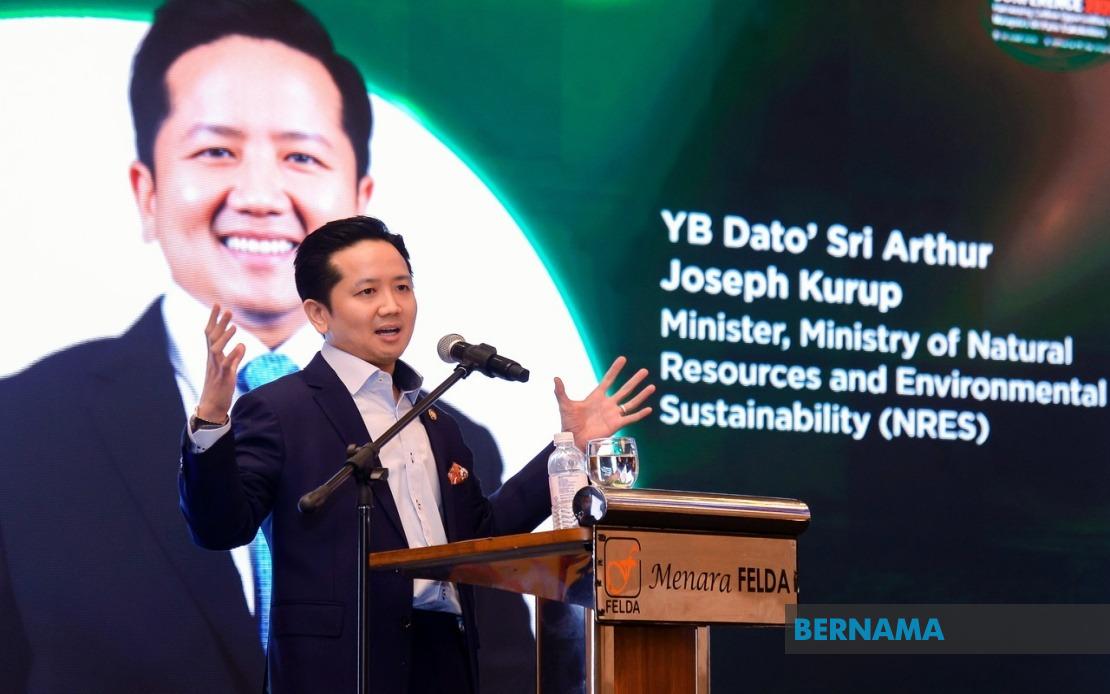
Malaysia's proposed carbon tax continues to undergo careful refinement as the government works to balance environmental objectives with economic realities facing local industries. Natural Resources and Environmental Sustainability Minister Datuk Seri Arthur Joseph Kurup confirmed this measured approach while addressing delegates at the Malaysia Palm Carbon Conference 2026 in Kuala Lumpur, signalling that despite ongoing delays, the policy remains a priority for the administration's climate action agenda.
The minister's comments underscore the complexity of introducing a carbon pricing mechanism in a developing economy where multiple sectors face competing pressures. Rather than rushing implementation, the government is taking time to assess industry preparedness and develop a coherent policy framework that reflects Malaysia's unique economic circumstances and sectoral composition. This deliberate pace reflects lessons learned from other Asian economies that have attempted similar reforms, where poorly designed carbon schemes have triggered business closures or investment flight.
Government officials have explicitly framed the carbon tax as an incentive mechanism rather than a punitive tool intended to penalise polluters. This rhetorical positioning matters significantly for business confidence and public acceptance, distinguishing Malaysia's approach from aggressive carbon pricing models adopted in Europe or parts of North America. By emphasising the carrot rather than the stick, policymakers hope to encourage voluntary adoption of cleaner technologies while maintaining competitiveness for Malaysian exporters operating in global supply chains that increasingly demand sustainability credentials.
The original timeline for introducing the carbon tax has shifted considerably since initial announcements. Initially planned for 2024 and targeting key industrial sectors including steel, cement, and construction, the rollout faced postponement in April when Datuk Seri Arthur Joseph Kurup cited the global energy supply crisis and geopolitical tensions as complicating factors. These macroeconomic headwinds remain relevant, with energy costs remaining volatile and many industries still recovering from pandemic-related disruptions and supply chain recalibration.
Revenue allocation represents another critical dimension being actively examined by government agencies. Rather than treating carbon tax collections as general revenue, authorities are considering channelling funds specifically towards climate adaptation initiatives, forest conservation programmes, and sustainable land management projects. This approach creates a direct connection between carbon pricing and climate resilience investments, potentially generating broader public support by demonstrating tangible environmental benefits from the tax itself.
The Malaysian palm oil sector holds particular significance in these discussions, as reflected in the conference setting where Arthur made his comments. Federal Land Development Authority chairman Datuk Seri Ahmad Shabery Cheek's presence highlighted the importance of engaging plantation interests in carbon policy design. The sector faces intense international scrutiny regarding deforestation and emissions, making strategic engagement essential for developing mechanisms that work for producers while addressing legitimate environmental concerns.
Strenthening climate governance represents the broader strategic context for these carbon tax refinements. The government intends to table the National Climate Change Bill in Parliament this year, representing legislative infrastructure to support more comprehensive climate action. This bill would establish institutional frameworks, accountability mechanisms, and coordination processes that complement carbon pricing mechanisms. Together, these policy instruments aim to position Malaysia as a credible climate actor among Southeast Asian peers while maintaining economic viability.
Southeast Asia faces distinctive challenges in implementing carbon pricing that differ from developed economies. The region's reliance on fossil fuel revenues, the economic importance of carbon-intensive industries, and the developmental imperatives facing lower-income populations all complicate policy design. Malaysia's cautious approach reflects awareness that poorly calibrated carbon schemes can undermine broader development objectives or trigger political opposition that derails climate commitments entirely.
International precedent offers instructive lessons about both successes and pitfalls. The European Union's carbon pricing system has proven effective in reducing emissions but has faced criticism for raising energy costs and creating competitiveness concerns for energy-intensive industries. China's recent carbon market launches have functioned primarily in the power sector, limiting economy-wide impact. These experiences inform Malaysia's preference for phased implementation beginning with strategic sectors where technological alternatives exist and competitive advantages can be maintained.
The timing of carbon tax implementation carries implications beyond Malaysia's borders. As a major Southeast Asian economy and influential voice in regional forums, Malaysia's approach influences how neighbouring countries perceive carbon pricing feasibility and design. A successful, well-calibrated Malaysian model could encourage regional peers to pursue similar policies, gradually creating incentives for cleaner production across supply chains that span multiple countries. Conversely, a poorly designed or hastily implemented system could reinforce scepticism about carbon pricing viability in developing Asian contexts.
For businesses currently operating in Malaysia, the extended timeline provides opportunity to assess carbon exposure across operations and begin implementing efficiency measures voluntarily. Companies with significant exposure to high-carbon activities in steel, cement, or petrochemicals should use this period to evaluate technological transitions and competitive positioning. Financial institutions are also scrutinising climate risk in lending decisions, meaning that proactive decarbonisation may attract more favourable financing terms regardless of whether carbon taxes materialise as planned.
The government's emphasis on industry readiness suggests that final implementation will likely include transition support mechanisms, possibly including exemptions for specific sectors during initial phases or investment incentives for clean technology adoption. Clarification on these details would help businesses make confident strategic decisions. Observers expect additional announcements regarding carbon tax design and timeline as Parliament considers the National Climate Change Bill and as government agencies complete their ongoing policy refinement work.