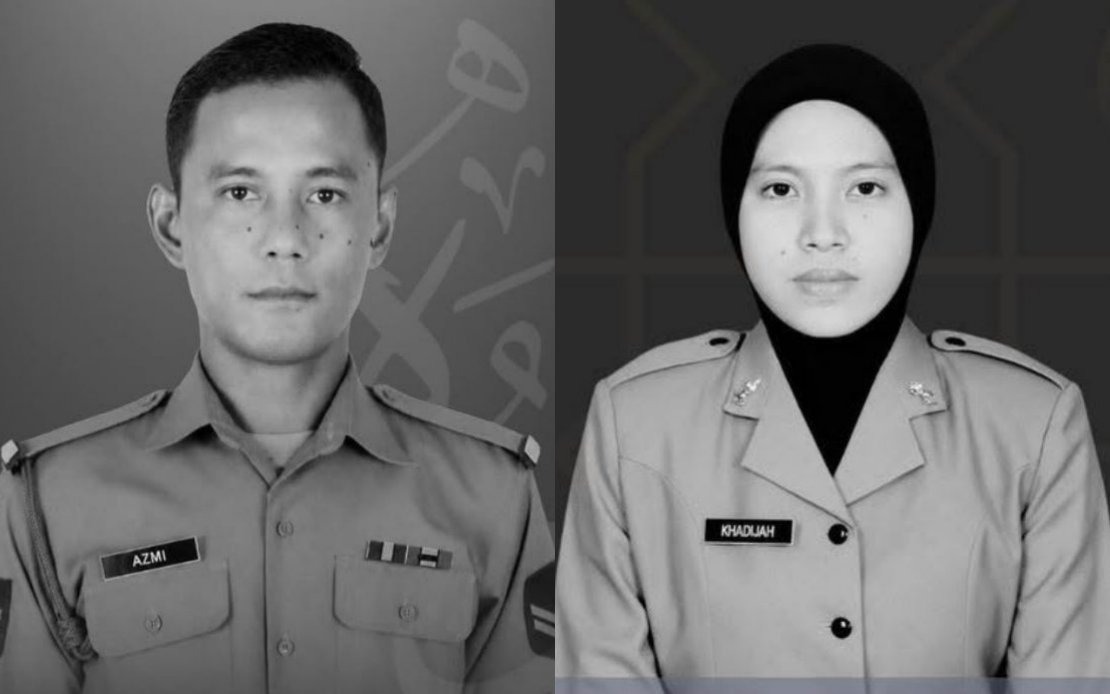
A training exercise at a military shooting range in Kedah ended in tragedy on June 16 when an explosion claimed the lives of two Malaysian Army personnel undergoing combat enhancement instruction. The incident occurred at approximately 10.57 am at Hobart Camp in Gurun, prompting immediate military action and the launch of a comprehensive investigation into what caused the fatal blast.
The Malaysian Army released official confirmation identifying the two casualties as Corporal Norazmi Abu Bakar, attached to the 6th Battalion, Royal Malay Regiment, and Private Siti Khadijah Sungip, serving with the 1st Squadron, Royal Army Engineers Regiment. Both soldiers sustained severe injuries during the training exercise and succumbed to their wounds while being evacuated to medical facilities. They were declared deceased en route to Sultan Abdul Halim Hospital in Sungai Petani, marking a significant loss within the armed forces and raising fresh concerns about training protocols.
The two soldiers were participating in the RAJD Combat Enhancement Training programme, a specialised instruction course conducted under the auspices of the 2nd Infantry Division. This training regimen typically focuses on improving combat readiness and tactical proficiency, with grenade-throwing exercises representing a critical component of infantry preparation. The fact that the incident occurred during such fundamental training underscores the inherent risks associated with handling live explosive devices, even under supervised military conditions.
General Tan Sri Azhan Md Othman, the Army Chief, has directed a thorough and expedited investigation to establish the precise circumstances and contributing factors behind the explosion. Military investigators will examine whether procedural lapses, equipment malfunction, or human error triggered the blast. The depth of scrutiny reflects the severity of the incident and the military establishment's commitment to understanding what transpired before the two soldiers were fatally injured.
The remains of both personnel have been transferred to Sultanah Bahiyah Hospital in Alor Setar for post-mortem examination, a standard procedure that will provide medical and forensic insights into the nature and extent of injuries sustained. These findings will likely inform the broader investigation and contribute to understanding what mechanisms led to the fatal outcome. The post-mortem results may also help clarify whether immediate medical intervention at the scene could have altered the outcome.
Beyond the investigative response, the incident has prompted expressions of condolence from senior military leadership. General Azhan Md Othman conveyed sympathies to the families of the deceased, acknowledging the profound personal tragedy alongside the institutional loss. The Army Chief's statement encouraged bereaved families to find strength during what represents an extraordinarily difficult period, reflecting both military protocol and humanitarian concern.
Training accidents involving live munitions present persistent challenges for military establishments worldwide. The unpredictable nature of explosive devices, combined with the intensive and realistic conditions necessary for effective combat preparation, creates inherent hazards that even rigorous safety protocols cannot entirely eliminate. Malaysia's armed forces, like their counterparts globally, must continuously balance the operational imperative for authentic training against the imperative to protect personnel from unnecessary risk.
The Malaysian Army has undertaken to conduct a comprehensive review of all training safety procedures in light of this incident. This review will presumably encompass equipment inspection protocols, personnel supervision standards, emergency medical response procedures, and the specific safety measures governing grenade-throwing exercises. Such reviews represent standard practice following serious training accidents and signal organisational commitment to preventing recurrence.
The incident carries particular significance given Malaysia's ongoing security considerations and the importance of maintaining a well-trained, combat-ready military force. The loss of experienced personnel, particularly Corporal Norazmi Abu Bakar who held a non-commissioned officer rank, represents a depletion of institutional knowledge and leadership capacity. The presence of a female soldier, Private Siti Khadijah Sungip, among the casualties also reflects the increasing integration of women into combat-support and combat roles within the Malaysian Army, expanding the human and institutional dimensions of this tragedy.
For Southeast Asian defence establishments, incidents of this nature serve as reminders of the operational complexities inherent in military training. While accidents cannot be entirely prevented, systematic improvements in safety culture, equipment maintenance, supervision standards, and emergency response capabilities can meaningfully reduce risk. The Malaysian Army's commitment to comprehensive investigation and protocol review positions the institution to extract maximum learning value from this tragedy, potentially preventing future occurrences across the military structure.