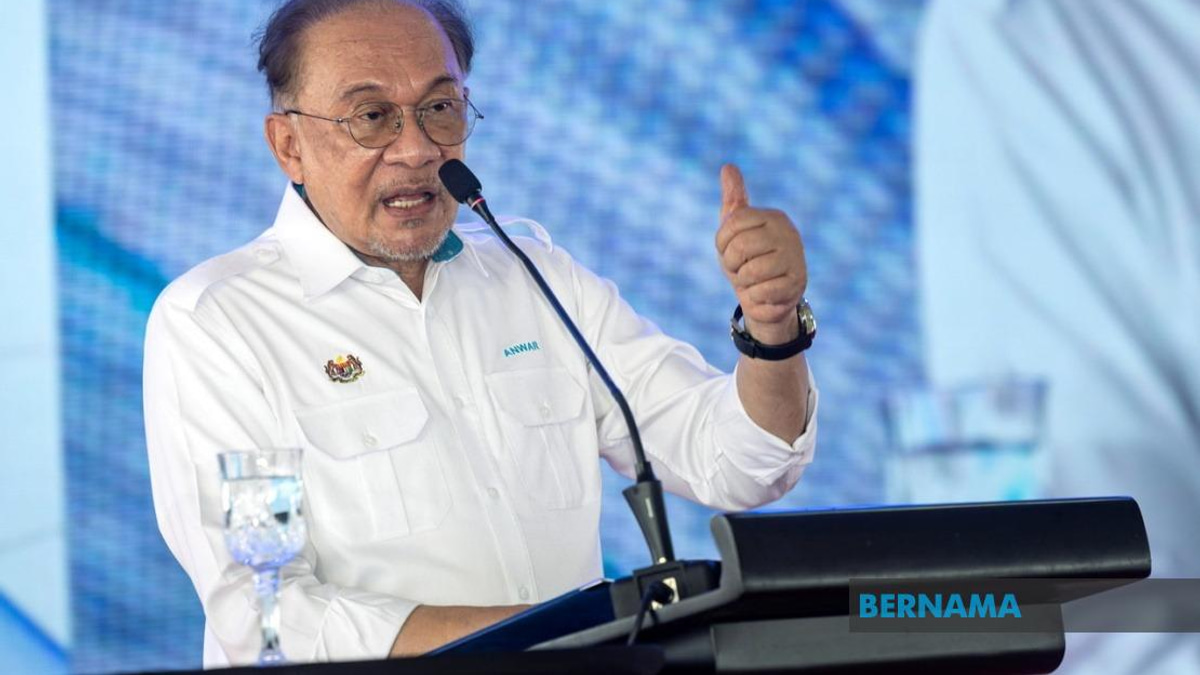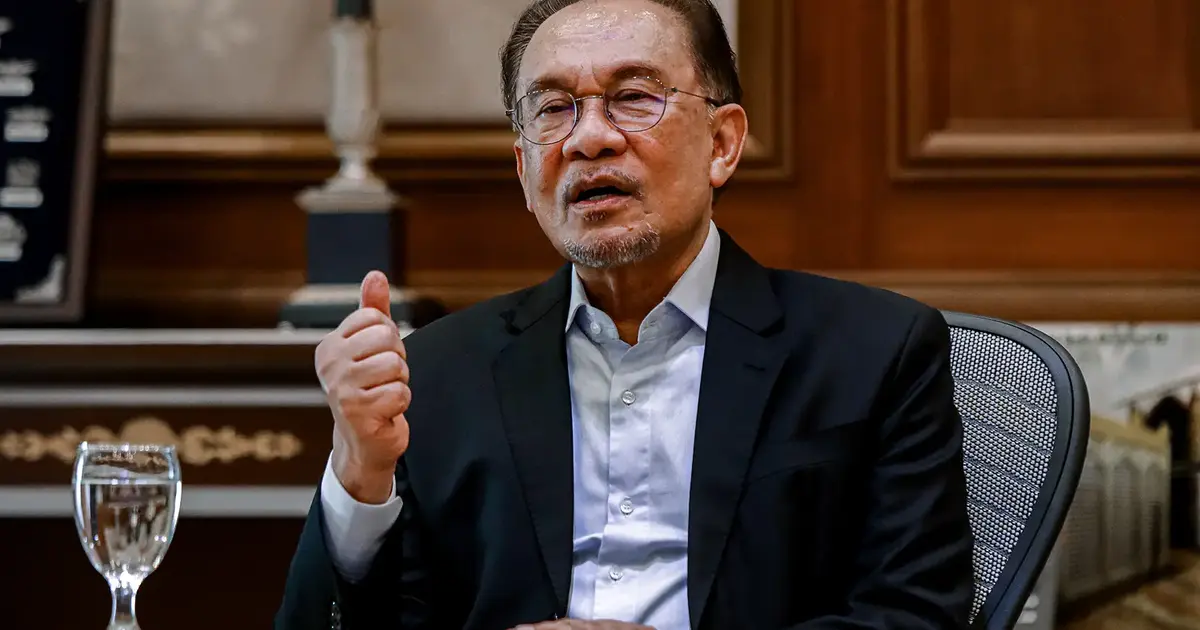
Prime Minister Anwar Ibrahim has delivered a sharp rebuke to European nations over their treatment of developing countries, signalling that Malaysia and peers in the Global South will no longer tolerate what he characterises as unfair or inequitable practices. Speaking with evident frustration about the dynamics between wealthy Western nations and less industrialised economies, Anwar framed the issue as a matter of principle that extends beyond any single trade disagreement or bilateral spat.
The Prime Minister invoked Malaysia's ongoing defence-related dispute with Norway as a concrete illustration of the broader pattern he describes. Rather than accepting Norway's position in what appears to be a contentious matter involving defence procurement or security cooperation, Anwar made clear that Malaysia intends to explore alternative paths forward. This stance reflects a growing assertiveness from Southeast Asian capitals that refuse to accept what they view as condescending or one-sided arrangements imposed by established Western powers.
Anwar's comments arrive at a moment when developing economies across Asia, Africa, and Latin America are increasingly seeking to diversify their international partnerships and reduce dependency on traditional Western markets and frameworks. Malaysia, as a mid-tier regional power and ASEAN member, has particular leverage in this environment. The country's strategic location, its role in global semiconductor supply chains, and its significant consumer market give Kuala Lumpur considerable negotiating weight—something Anwar appears determined to exploit.
The reference to Norway, a wealthy Nordic nation with a strong human rights advocacy profile on the global stage, carries symbolic weight. While Norway positions itself as a progressive force internationally, the dispute with Malaysia suggests that principles of fairness and reciprocity do not always govern its dealings with developing nations. This apparent contradiction between Norway's global messaging and its bilateral conduct highlights a tension that many Southeast Asian governments privately acknowledge: Western nations often apply different standards depending on who they are negotiating with.
For Malaysia specifically, the willingness to pursue alternatives signals a shift toward greater pragmatism in foreign policy. Rather than accepting unfavourable terms from any single partner, whether European or otherwise, Kuala Lumpur is positioning itself as willing to engage with multiple actors—including China, India, Gulf states, and other regional powers. This diversification strategy reduces Malaysia's vulnerability to pressure from any particular direction and strengthens its hand in negotiations.
Anwar's language also reflects broader sentiment within ASEAN and among Non-Aligned Movement members that the post-Cold War order has failed to deliver genuine equality among nations. Developing countries argue that institutions designed in the 1940s and 1950s—when the West held overwhelming economic and military dominance—continue to reflect those power imbalances. From trade rules to environmental regulations to defence partnerships, Malaysia and similar nations contend they face double standards or conditions that richer nations would never accept if the positions were reversed.
The Norwegian dispute likely involves complexities not fully visible in public statements. Whether it concerns arms sales restrictions, technology transfer conditions, human rights concerns, or other security matters, the fundamental issue appears to be that Malaysia rejects the premise that Norway has the right to impose conditions unilaterally. This attitude represents a generational shift in how middle-income countries now approach their relationships with wealthy nations.
For Malaysia's business community and defence sector, Anwar's statements provide political cover for pursuing partnerships with alternative suppliers and partners. If European nations—including Norway—prove inflexible or impose what Kuala Lumpur views as unreasonable terms, Malaysian organisations can confidently explore options elsewhere without fear of governmental reproach. This creates space for Malaysian entities to build relationships with countries that may offer better terms, faster delivery, or fewer political conditions attached.
Regionally, Anwar's firmness on this issue resonates with other ASEAN members facing similar pressures from Western nations. Vietnam, Thailand, and Indonesia all navigate complex relationships where they seek Western engagement while resisting what they perceive as interference or unfair treatment. Malaysia's willingness to name the problem publicly and state clearly that it will seek alternatives may embolden other regional governments to adopt similar positions, subtly shifting the balance of power in Asia-Europe relations.
The statement also carries domestic political implications. Malaysian constituencies increasingly expect their leaders to stand up to external pressure and defend national interests with confidence. Anwar's rhetoric satisfies this expectation while demonstrating that his government pursues a non-aligned, pragmatic foreign policy rather than one subordinated to Western preferences. This positioning helps consolidate support among voters sceptical of excessive Western influence.
Looking forward, Malaysia's approach suggests that European nations, including Norway, may need to recalibrate their strategies when engaging with Southeast Asian countries. The era when wealthy nations could impose terms largely unilaterally appears to be waning. Countries like Malaysia possess sufficient economic heft, strategic importance, and alternative partnership options that they can credibly walk away from unfavourable arrangements. European governments that fail to recognise this shift risk finding their influence in the region diminished and their preferred partners replaced by nations offering better terms or fewer conditions. Anwar's message is clear: Malaysia's price for accepting European engagement has risen.

%22%2F%3E%3C%2Fpattern%3E%3C%2Fdefs%3E%3Crect%20width%3D%22100%25%22%20height%3D%22100%25%22%20fill%3D%22url(%23ph523ndg)%22%2F%3E%3Crect%20width%3D%22100%25%22%20height%3D%22100%25%22%20fill%3D%22url(%23ph523ndp)%22%2F%3E%3Ctext%20x%3D%2250%25%22%20y%3D%2250%25%22%20text-anchor%3D%22middle%22%20dominant-baseline%3D%22central%22%20fill%3D%22rgba(255%2C255%2C255%2C0.95)%22%20font-family%3D%22Georgia%2C%20'Times%20New%20Roman'%2C%20serif%22%20font-weight%3D%22700%22%20font-size%3D%22272%22%20letter-spacing%3D%22-0.02em%22%3EAnwar%3C%2Ftext%3E%3C%2Fsvg%3E)