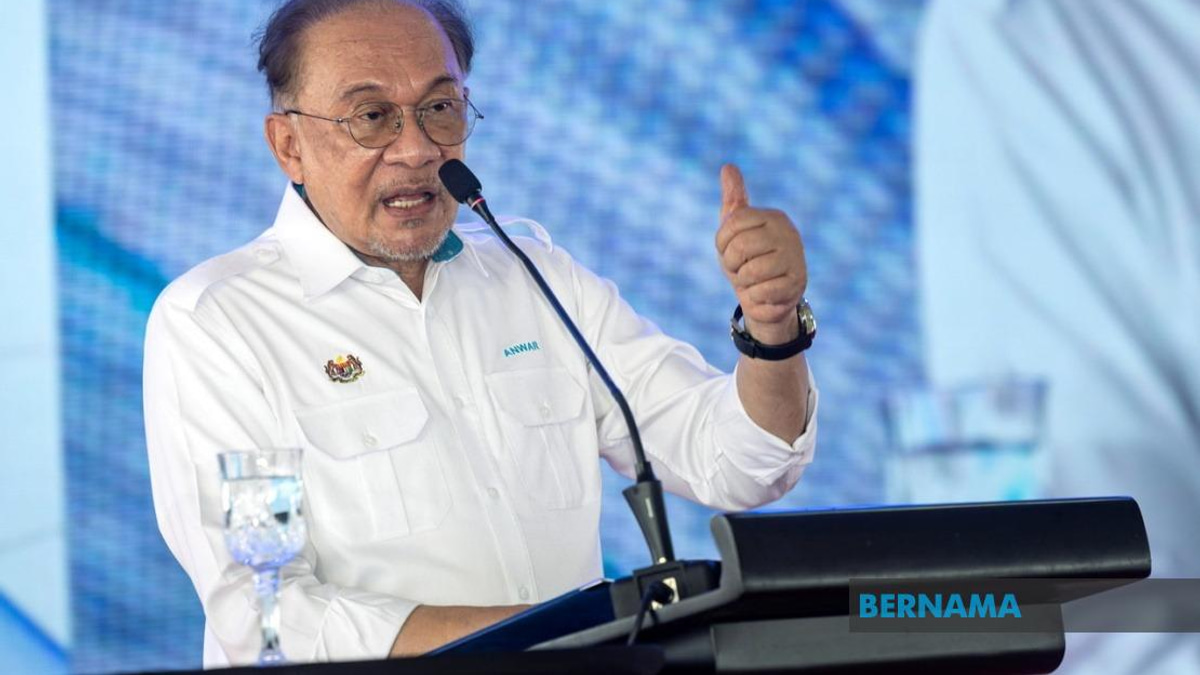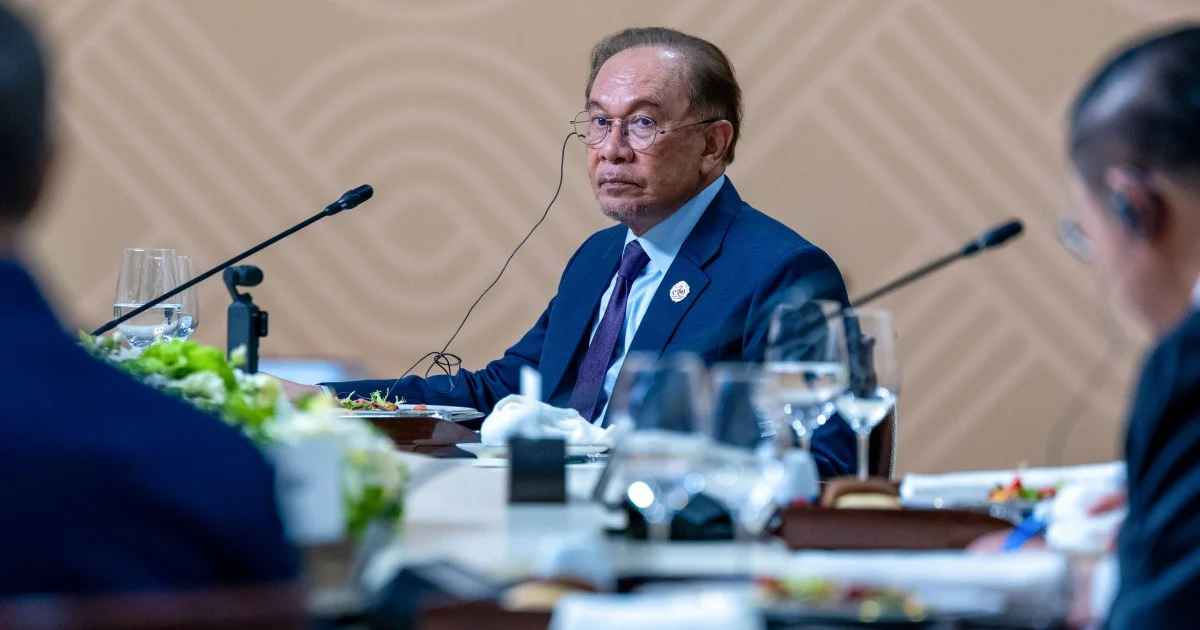
Prime Minister Datuk Seri Anwar Ibrahim has signalled a significant shift in Malaysia's diplomatic posture, warning that developing nations across the globe will increasingly turn towards alternative partnerships if major European countries continue to adopt what he perceives as unfair policies and trade practices. The statement, made during remarks in Kuala Lumpur, reflects growing frustration within the developing world regarding what many view as a double standard in how wealthy Western nations engage with economically emerging partners.
Anwar's comments emerge against the backdrop of a defence-related dispute involving Norway, a Nordic country traditionally viewed as progressive and neutral. The specific nature of this disagreement underscores a broader pattern of tension between European nations and developing countries over trade, technology transfer, and sovereignty issues. While Norway has long positioned itself as a champion of developing world causes through its substantial aid programmes, the current dispute suggests that even ostensibly progressive Western nations may prioritise their own economic and strategic interests over equitable partnerships with the Global South.
The Malaysian Prime Minister's warning carries particular weight given his nation's strategic position in Southeast Asia and its influence within regional forums. Malaysia has historically balanced relationships between developed and developing nations, making it a key voice in discussions about international equity. Anwar's assertion that developing countries possess agency to seek alternative partners reflects a fundamental shift in how emerging economies view their negotiating position in the post-pandemic world, where traditional power dynamics are increasingly contested.
For Malaysia specifically, the statement signals openness to deepening relationships with non-Western partners, including rising powers in Asia and the Middle East. This diversification strategy recognises that the Global South now possesses sufficient economic heft and alternative options to resist what many perceive as unfair treatment from developed nations. The implications extend beyond bilateral relations, affecting how Malaysia and similar nations approach multilateral agreements on trade, climate change, and technology.
The reference to defence matters adds another dimension to this diplomatic warning. Defence and security partnerships often involve sensitive technology transfer, industrial participation, and strategic alignment. When developing nations feel their legitimate interests in these areas are dismissed or subordinated to Western geopolitical preferences, they become more receptive to partnerships with alternative powers. China, Russia, and Middle Eastern nations have explicitly positioned themselves as alternatives willing to engage with developing countries on terms that differ substantially from Western-centric arrangements.
Anwar's intervention also reflects broader Southeast Asian sentiment regarding fair trade practices and technology access. Many nations in the region feel constrained by intellectual property regimes, environmental standards, and regulatory requirements that primarily benefit established developed economies. The European Union's stringent standards for everything from carbon emissions to labour practices, while often justified on humanitarian and environmental grounds, can function as non-tariff barriers that disadvantage developing country manufacturers seeking to export to European markets.
The developing world's growing economic interdependence through regional blocs and alternative partnerships has strengthened the hand of countries like Malaysia in making such statements. The ASEAN Regional Forum, various trade agreements within Asia, and emerging partnerships with non-traditional players provide genuine alternatives to Western-dominated structures. This multiplicity of options means that threats to seek alternatives are no longer hollow rhetoric but reflect genuine strategic possibilities.
For European policymakers, Anwar's warning should signal that the post-Cold War assumption of automatic Western alignment in global affairs has fundamentally shifted. The rise of competing centres of power and the maturation of developing economies means that Europe must actively earn partnerships through fair dealing rather than assume them based on historical patterns. Norway, despite its relatively small economy, possesses significant sovereign wealth and energy resources, making it an important player in various international forums, which explains why disputes with it merit prime ministerial attention.
The statement also carries implications for Malaysia's own policy direction. By publicly raising concerns about unfair European treatment and highlighting the availability of alternatives, Anwar strengthens his domestic political position as a leader willing to stand up for national interests. This positioning proves particularly important in Malaysia, where there remains genuine concern about neocolonial patterns of economic dependence and technological subordination to Western powers.
The broader context of this dispute involves how developed nations apply environmental standards, labour requirements, and regulatory frameworks to developing country exports. While these standards serve legitimate purposes, developing nations argue they often reflect the interests and capacities of wealthy countries rather than genuine global concerns, and that their application occurs selectively depending on geopolitical considerations.
Looking ahead, Anwar's statement may herald a more assertive Malaysian foreign policy under his leadership, one that actively leverages the nation's strategic location and economic importance to secure more equitable partnerships. Rather than accepting the terms offered by traditional Western partners, Malaysia increasingly views itself as capable of dictating terms or pursuing alternatives—a confidence rooted in Southeast Asia's growing economic significance within global commerce and geopolitics.
The immediate question facing European nations, particularly Norway in this instance, involves whether they will modify their approach towards developing country partners or face gradual marginalisation as alternative relationships deepen. For Malaysia and similar nations, the message is clear: in an increasingly multipolar world, fair dealing has become a prerequisite for maintaining strong partnerships with the Global South.

%22%2F%3E%3C%2Fpattern%3E%3C%2Fdefs%3E%3Crect%20width%3D%22100%25%22%20height%3D%22100%25%22%20fill%3D%22url(%23ph523ndg)%22%2F%3E%3Crect%20width%3D%22100%25%22%20height%3D%22100%25%22%20fill%3D%22url(%23ph523ndp)%22%2F%3E%3Ctext%20x%3D%2250%25%22%20y%3D%2250%25%22%20text-anchor%3D%22middle%22%20dominant-baseline%3D%22central%22%20fill%3D%22rgba(255%2C255%2C255%2C0.95)%22%20font-family%3D%22Georgia%2C%20'Times%20New%20Roman'%2C%20serif%22%20font-weight%3D%22700%22%20font-size%3D%22272%22%20letter-spacing%3D%22-0.02em%22%3EAnwar%3C%2Ftext%3E%3C%2Fsvg%3E)