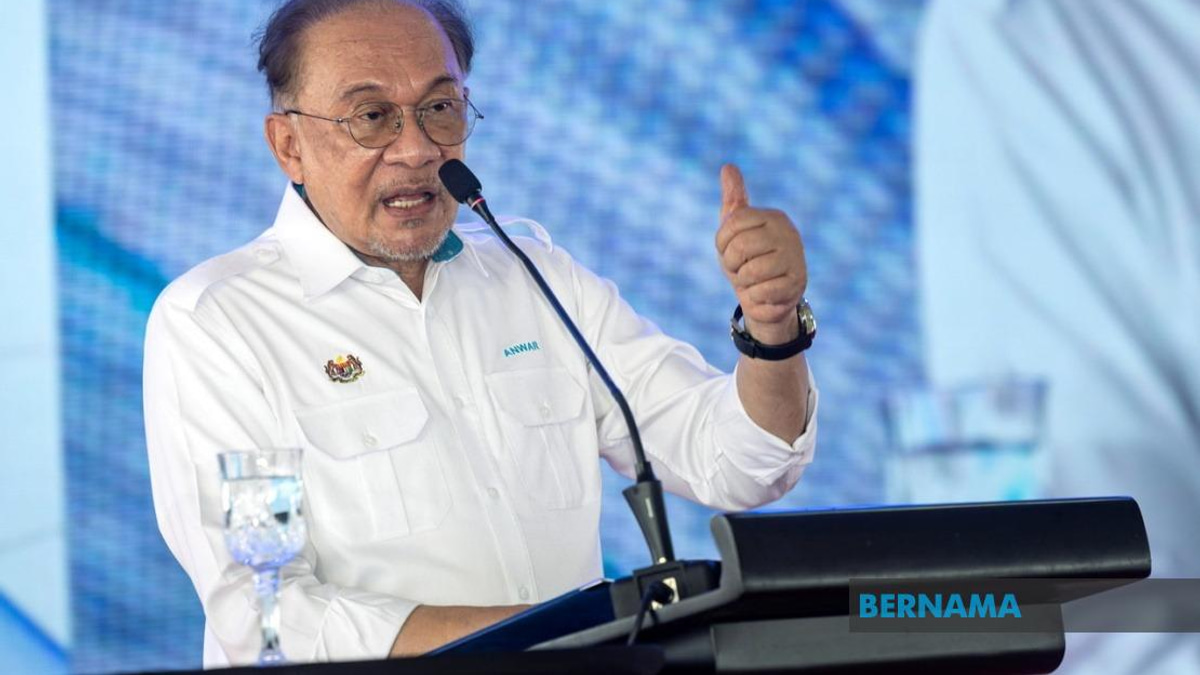
The Prime Minister's Department (Religious Affairs) has committed itself to deepening engagement with young Malaysians on matters of religious extremism and digital misinformation, following a significant royal address by the Sultan of Perak, Sultan Nazrin Shah. The directive signals growing concern within the Malaysian establishment about the vulnerability of youth populations to radical ideologies and false narratives spreading across online platforms.
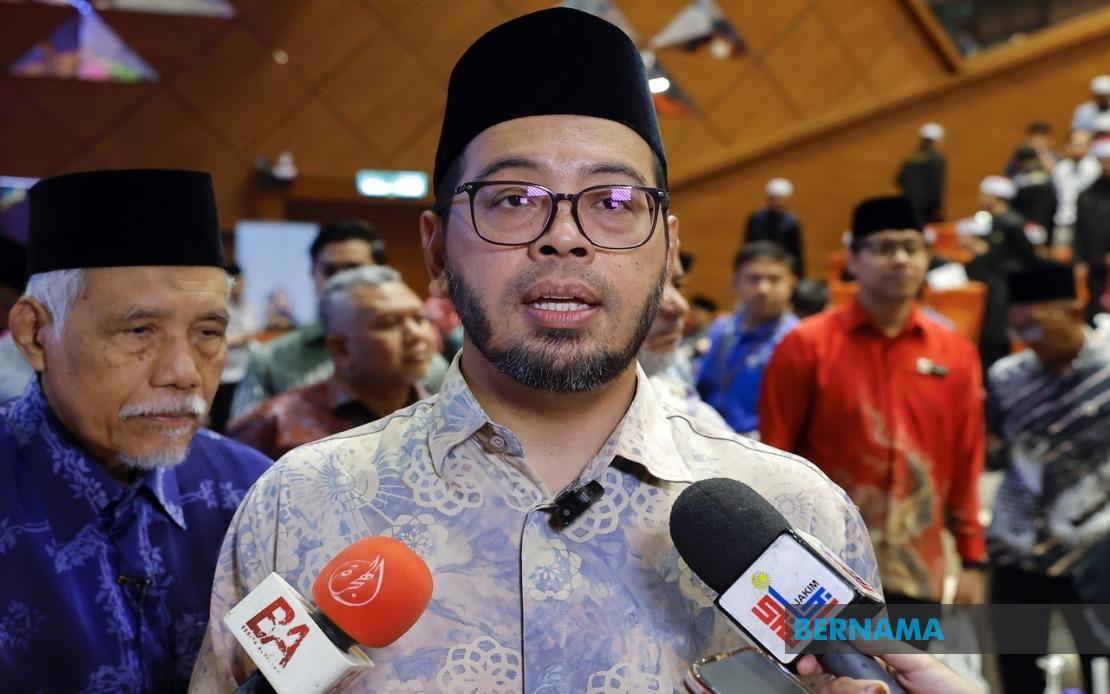
Minister in the Prime Minister's Department (Religious Affairs) Dr Zulkifli Hasan announced the commitment while officiating the National and International Tokoh Ma'al Hijrah Premier Lecture 1448/2026 in Putrajaya, emphasizing that his department would adopt the Sultan's message as a foundational guide for future programming and strategic initiatives. Dr Zulkifli indicated the department would operationalize the royal address by integrating its core messages into departmental policies and nationwide outreach efforts targeting young people across Malaysia's diverse communities.
Sultan Nazrin Shah's recent pronouncement underscores an emerging national conversation about the role religious authorities must play in safeguarding youth from extremist recruitment and coordinated disinformation campaigns. The Sultan articulated that Malaysia's younger generation faces a complex and evolving threat landscape that extends well beyond traditional religious concerns, encompassing climate anxiety, geopolitical instability, economic precarity, social fragmentation facilitated by digital technologies, and eroding confidence in institutional structures.
The royal intervention reflects a strategic recognition that digital platforms have fundamentally altered how extremist messaging and false information circulate within youth networks. Rather than traditional top-down religious instruction, the Sultan's address suggests that religious leaders must develop more relatable, peer-informed, and digitally-native approaches to engaging young Malaysians where they spend considerable time and attention. This represents a paradigm shift from conventional mosque-based religious education toward more contemporary intervention modalities.
Youth vulnerability to extremism in Malaysia has periodically surfaced as a policy concern, particularly following instances of young Malaysians joining foreign militant organizations or being radicalized through social media. The department's renewed emphasis on youth engagement suggests an acknowledgment that preventative outreach—reaching young people before extremist narratives gain traction—offers a more sustainable approach than reactive counter-messaging after radicalization has advanced.
The challenge of digital misinformation carries particular urgency in the Malaysian context, where diverse ethnic and religious communities coexist and where inflammatory falsehoods can rapidly amplify communal tensions. Religious leaders, if properly mobilized and equipped with media literacy training, could theoretically serve as credible voices countering false religious narratives and promoting interfaith understanding among digitally-connected youth demographics.
The department's intention to mainstream the Sultan's message across government agencies and faith-based organizations suggests a coordinated whole-of-society approach rather than isolated departmental initiatives. This could involve training religious teachers, establishing youth councils that incorporate religious perspectives on digital citizenship, creating online educational content addressing misinformation, and facilitating intergenerational dialogues where established religious authorities interact directly with youth in their preferred digital environments.
Implementing such programmes will require substantial resource allocation and institutional coordination. The Religious Affairs Ministry will need to develop curricula addressing digital literacy, teach religious leaders how to navigate social media effectively, and create safe spaces where young people can discuss religious identity in contexts marked by rapid technological change and social fragmentation. Such initiatives must also address how economic anxiety and career uncertainty among youth intersect with religious identity formation.
For regional observers, Malaysia's approach offers insights into how Muslim-majority democracies are attempting to harness religious institutional authority for countering extremism and misinformation without suppressing legitimate religious discourse or free expression. The strategy implicitly recognizes that religious engagement, when done through trusted leaders and peer-informed methodologies, can be more persuasive than state-mandated counter-narratives alone.
The effectiveness of the department's renewed commitment will depend on translating royal directives into concrete, age-appropriate, and culturally resonant programming that genuinely addresses the lived experiences and information environments of contemporary Malaysian youth. Success will require moving beyond traditional religious instruction toward more dynamic interventions that acknowledge how young Malaysians actually consume information and construct religious meaning in increasingly pluralistic, digitally-mediated contexts.

%22%2F%3E%3C%2Fpattern%3E%3C%2Fdefs%3E%3Crect%20width%3D%22100%25%22%20height%3D%22100%25%22%20fill%3D%22url(%23ph523ndg)%22%2F%3E%3Crect%20width%3D%22100%25%22%20height%3D%22100%25%22%20fill%3D%22url(%23ph523ndp)%22%2F%3E%3Ctext%20x%3D%2250%25%22%20y%3D%2250%25%22%20text-anchor%3D%22middle%22%20dominant-baseline%3D%22central%22%20fill%3D%22rgba(255%2C255%2C255%2C0.95)%22%20font-family%3D%22Georgia%2C%20'Times%20New%20Roman'%2C%20serif%22%20font-weight%3D%22700%22%20font-size%3D%22272%22%20letter-spacing%3D%22-0.02em%22%3EAnwar%3C%2Ftext%3E%3C%2Fsvg%3E)