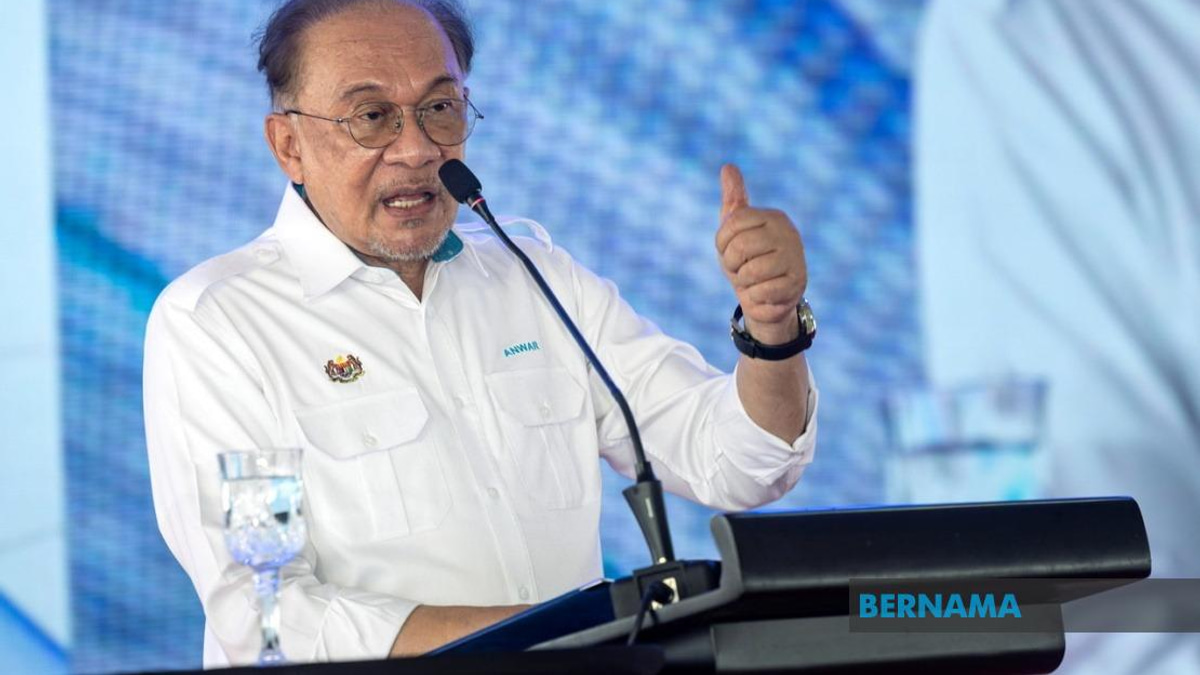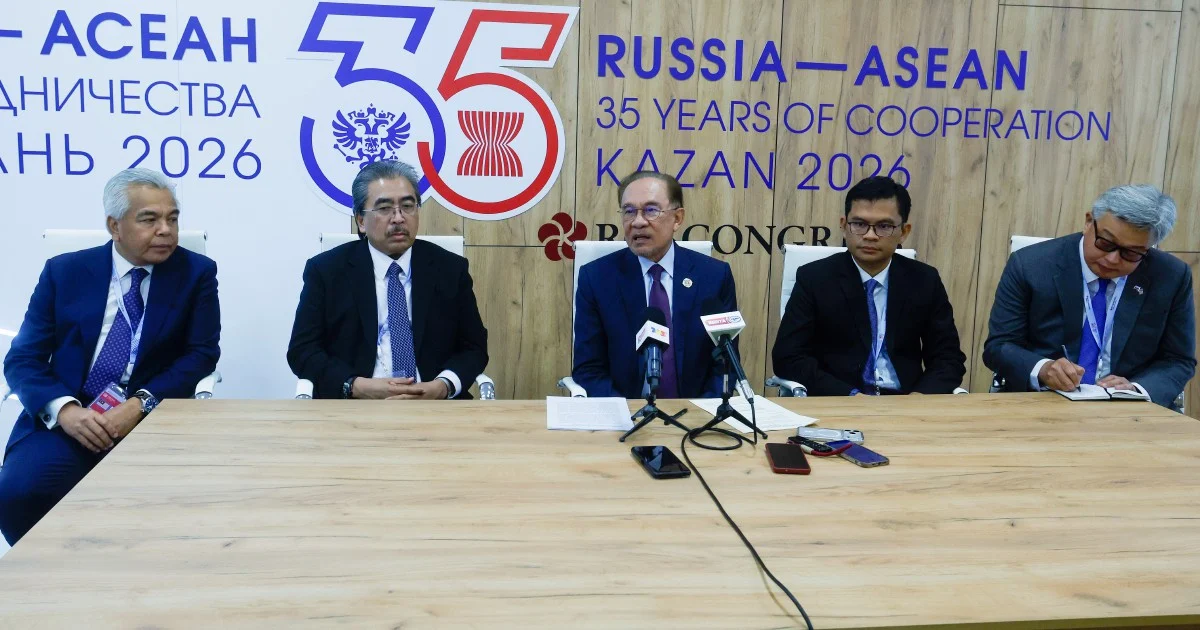
Prime Minister Datuk Seri Anwar Ibrahim has instructed relevant government agencies to accelerate the launch of visa-free travel arrangements for Russian nationals seeking to visit Malaysia, signalling a strategic pivot to rebuild the country's tourism economy through expanded visitor access from key source markets.
The directive represents a calculated effort to restore Malaysia's competitiveness as a regional tourist destination. The visa-free scheme is intended to eliminate bureaucratic barriers that may discourage Russian travellers from choosing Malaysia over competing Southeast Asian nations, many of which have already implemented reciprocal visa exemptions or streamlined entry procedures for Russian citizens.
Spoken from Kazan, the Prime Minister's announcement underscores Malaysia's commitment to reopening its borders to international visitors at a time when the global tourism landscape remains volatile. The expedited timeline suggests that policymakers view Russian tourism as particularly valuable to the recovery agenda, potentially reflecting both the size of the Russian travel market and the strategic importance of diversifying Malaysia's visitor base beyond traditional Western markets.
For Malaysian tourism stakeholders, the introduction of visa-free access for Russian visitors carries significant implications. Hotels, airlines, tour operators, and hospitality services have faced sustained pressure as international arrivals remain below pre-pandemic levels. Russian tourists, historically known for extended stays and considerable spending on accommodation, dining, and shopping, represent a potentially lucrative demographic that could boost occupancy rates and generate employment across the tourism value chain.
The timing of this initiative reflects broader economic considerations. Malaysia's tourism revenue has become increasingly crucial to national GDP recovery and foreign exchange earnings. By removing entry impediments for Russians—a substantial potential visitor source—the government aims to accelerate the pace at which tourism revenues can rebound, supporting jobs and business profitability across multiple sectors dependent on international travel spending.
Implementing visa-free arrangements involves coordination between the Immigration Department, the Ministry of Tourism, and diplomatic institutions. The expedited implementation directive implies that bureaucratic processes will be streamlined and timelines compressed, suggesting that the policy framework may be finalised and activated within weeks rather than months. This acceleration demonstrates executive-level priority attached to the initiative.
From a geopolitical perspective, facilitating Russian visitor access carries subtle diplomatic undertones. Enhanced bilateral engagement through tourism strengthens people-to-people connections and economic interdependence, potentially contributing to warmer diplomatic relations at a time when Russia faces international sanctions related to its foreign policy. The visa-free scheme positions Malaysia as a welcoming destination for Russian travellers at a moment when some Western nations maintain restrictive immigration policies toward Russian citizens.
The broader context suggests that Malaysia is pursuing a deliberate strategy of opening its tourism sector to emerging and non-traditional markets. Rather than concentrating solely on traditional visitors from North America, Europe, and East Asia, the country is actively cultivating relationships with visitors from Russia and potentially other nations where visa barriers previously discouraged travel to Malaysia. This diversification approach reduces vulnerability to disruptions affecting any single source market.
For Russian travellers, visa-free access to Malaysia significantly enhances the destination's appeal within the competitive Southeast Asian tourism marketplace. Thailand, Vietnam, and Indonesia offer similar ease of access, and Malaysia's success in attracting Russian visitors will depend not only on visa policies but also on effective marketing campaigns reaching the Russian travel market and on the broader tourism infrastructure supporting quality visitor experiences.
The expedited rollout also reflects lessons learned during the pandemic, when travel restrictions triggered immediate tourism collapses across the region. By accelerating the implementation of visitor-friendly policies, Malaysia aims to maximise the window for tourism recovery before global economic conditions potentially shift or competing destinations introduce similar incentives. First-mover advantage in expanding access could yield meaningful market share gains.
Successful execution of this initiative depends on logistical coordination across multiple government agencies. Immigration systems must be updated to recognise Russian passport holders as eligible for visa-free entry. Airlines and tourism promotion organisations must be informed and prepared to market the development. Border facilities must be equipped to process increased volumes of Russian travellers efficiently, ensuring that visa-free access translates into smooth, positive visitor experiences rather than congestion and delays.
The policy also carries potential implications for visa policy reciprocity. If Malaysia grants Russians visa-free access, Russian authorities may be expected to extend similar privileges to Malaysian citizens, strengthening bilateral travel relationships and facilitating business, educational, and cultural exchanges. Such reciprocity arrangements benefit both nations beyond tourism, supporting broader economic and diplomatic engagement.
Looking forward, the success of the Russian visa-free scheme will be measured not merely by policy implementation but by the actual arrival numbers and economic impact generated. Tourism ministry officials will likely monitor visitor flows, spending patterns, and visitor satisfaction ratings to assess whether the initiative delivers anticipated benefits. Positive results could inform decisions about visa policies toward other nationalities, potentially leading to broader open-access strategies designed to position Malaysia as a premier destination in the increasingly competitive Southeast Asian tourism market.

%22%2F%3E%3C%2Fpattern%3E%3C%2Fdefs%3E%3Crect%20width%3D%22100%25%22%20height%3D%22100%25%22%20fill%3D%22url(%23ph523ndg)%22%2F%3E%3Crect%20width%3D%22100%25%22%20height%3D%22100%25%22%20fill%3D%22url(%23ph523ndp)%22%2F%3E%3Ctext%20x%3D%2250%25%22%20y%3D%2250%25%22%20text-anchor%3D%22middle%22%20dominant-baseline%3D%22central%22%20fill%3D%22rgba(255%2C255%2C255%2C0.95)%22%20font-family%3D%22Georgia%2C%20'Times%20New%20Roman'%2C%20serif%22%20font-weight%3D%22700%22%20font-size%3D%22272%22%20letter-spacing%3D%22-0.02em%22%3EAnwar%3C%2Ftext%3E%3C%2Fsvg%3E)