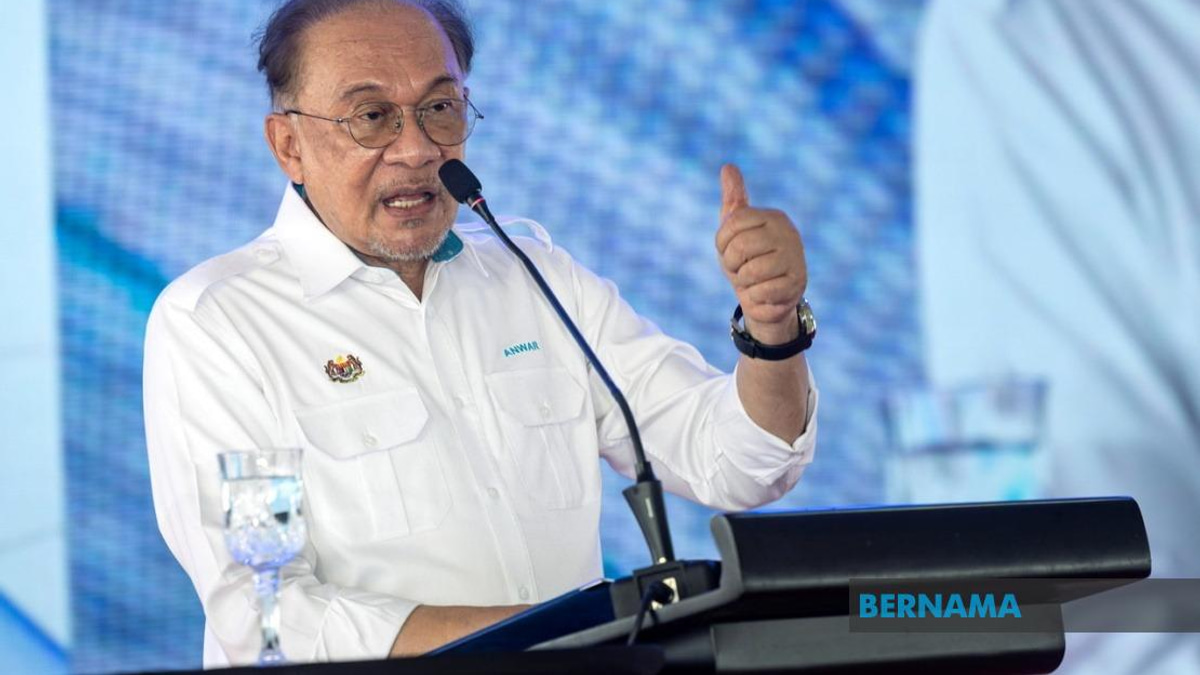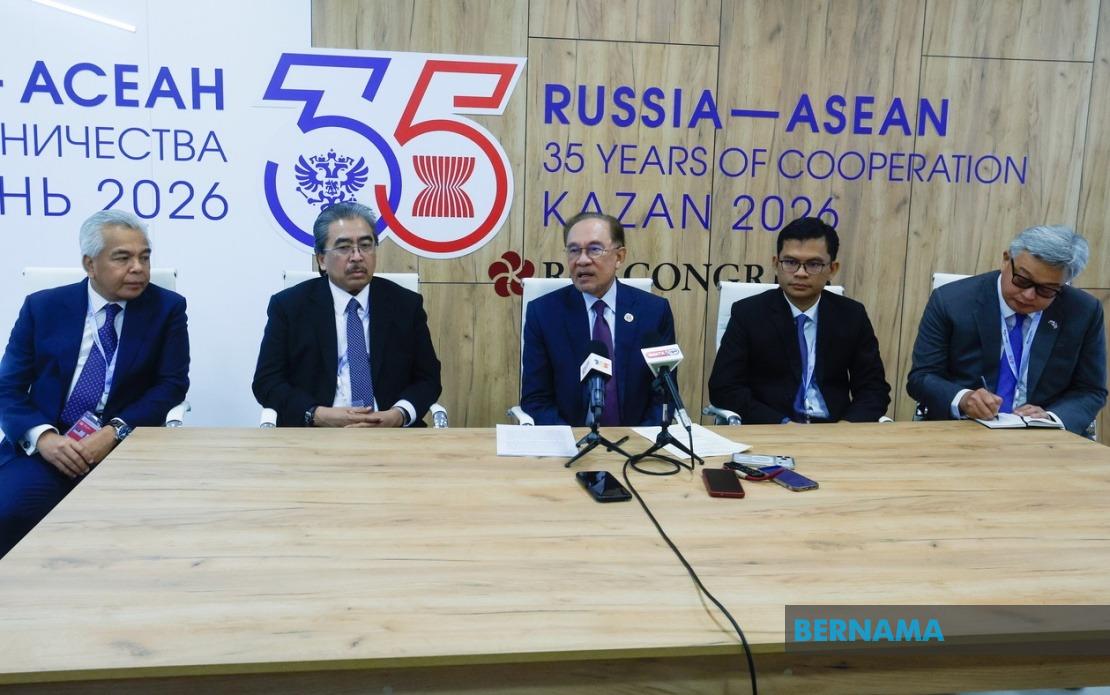
Prime Minister Datuk Seri Anwar Ibrahim has called for an urgent acceleration of visa-free travel agreements and direct flight services between Malaysia and Russia, saying current arrangements are hampering the country's ability to attract Russian visitors. The call came during his two-day working visit to Kazan for the ASEAN-Russia Commemorative Summit, where Anwar addressed Malaysian media representatives and highlighted the disparity in Russian tourist arrivals to Malaysia compared with other regional destinations.
The figures paint a striking picture of missed opportunity. While Türkiye welcomes approximately five million Russian tourists annually and Thailand attracts around two million, Malaysia receives only about 100,000 Russian visitors per year—a fraction that Anwar indicated represents underperformance given the nations' strengthening diplomatic ties. This gap extends beyond simple preference; it reflects tangible barriers to travel that the Prime Minister believes are within Malaysia's power to address through policy reform and streamlined procedures.
Anwar identified a cluster of interconnected obstacles constraining the flow of Russian travellers to Malaysia. Visa requirements remain the most obvious friction point, yet he emphasized that the problem runs deeper into infrastructure and financial mechanics. Payment systems and the mechanics of conducting transactions present significant complications for potential Russian visitors, creating friction at multiple stages of the travel planning and execution process. These administrative hurdles, Anwar suggested, are rooted in Malaysia's reliance on outdated regulatory frameworks that have become detached from contemporary travel patterns and international practice.
The Prime Minister articulated a broader critique of institutional inertia within Malaysia's travel and tourism systems. He referenced what he termed "archaic" procedures, suggesting that Malaysia's regulatory environment has not kept pace with the liberalization and facilitation occurring in competing destinations. This conservatism, he implied, reflects not technical necessity but organizational habit and excessive caution regarding how policy changes might be perceived by third parties. For Anwar, this represents a self-imposed constraint that serves no protective purpose while actively disadvantaging Malaysian tourism competitiveness.
A significant dimension of Anwar's intervention involves the geopolitical context surrounding Malaysia's relationship with Russia. His willingness to publicly advocate for removing travel barriers to Russia, while acknowledging that such moves might draw scrutiny from other nations, signals a deliberate repositioning of Malaysia's international stance. The reference to concerns about how certain countries might "respond or react negatively" appears directed at Western nations that have distanced themselves from Russia following geopolitical tensions. By arguing that Malaysia should not allow such concerns to dictate policy, Anwar is asserting that bilateral relationships should be determined by mutual interest rather than external pressure.
The tourism question also connects to Malaysia's broader economic objectives. Russian visitors, particularly those with higher disposable incomes, represent valuable revenue sources for Malaysia's hospitality and services sector. The current annual figure of 100,000 Russian tourists suggests substantial untapped capacity—bringing these numbers closer to Thai or Turkish levels would generate significant economic benefits across hotels, restaurants, retail, and entertainment venues. This economic argument provides additional justification for removing institutional barriers, framing liberalization not as a geopolitical statement but as a rational business decision.
Anwar extended his reasoning to encompass other countries facing similar tourism friction, specifically mentioning Iran. By clustering these cases together, he suggested that Malaysia's conservative approach to visa arrangements and payment systems represents a broader pattern of self-limitation driven by misplaced concerns about international reaction. This framing redefines the issue as one of Malaysia reclaiming agency over its own policy framework rather than capitulating to pressure or abandoning prudent considerations.
The practical elements requiring attention are substantial. Direct flights would require coordination with Russian airlines or Malaysian carriers willing to establish new routes, necessitating commercial viability assessments and regulatory approvals. Visa-free or simplified visa arrangements require legislative or administrative changes to Malaysia's entry protocols, entailing security considerations that cannot be dismissed lightly. Payment system integration demands technical work with financial institutions to establish clearing mechanisms that accommodate Russian banking systems, potentially requiring navigation of international sanctions frameworks that complicate such arrangements.
Anwar's intervention at the ASEAN-Russia summit carries particular weight given Malaysia's rotating leadership role within ASEAN and its historical emphasis on pragmatic, non-aligned foreign policy. His public statements suggest executive commitment to pursuing these changes, likely signalling to relevant Malaysian agencies and ministries that visa and flight facilitation with Russia now constitute priority initiatives. The timing, following a high-level diplomatic engagement in Russia, indicates that concrete negotiations may already be underway or imminent.
The success of these initiatives will likely depend on Malaysia's willingness to undertake parallel reforms to its tourism infrastructure and payment systems more broadly. Simply removing visa barriers without addressing payment complications and flight connectivity would provide incomplete relief. Conversely, establishing direct flights and solving payment issues without visa facilitation would similarly limit impact. Anwar's framing suggests recognition that these three elements—visa access, flight connectivity, and financial mechanism compatibility—form an integrated system requiring comprehensive reform rather than piecemeal adjustment.
Looking forward, the outcome of these initiatives will serve as a barometer for how genuinely Malaysia intends to pursue autonomous foreign and economic policy independent of external pressure. It will also demonstrate whether Malaysia's government is prepared to challenge institutional conservatism within its own bureaucracy in service of legitimate economic and diplomatic objectives. For Russian visitors and Malaysian tourism stakeholders alike, Anwar's statements at Kazan have signalled that change may finally be coming to a relationship that has long suffered from unnecessary administrative friction.

%22%2F%3E%3C%2Fpattern%3E%3C%2Fdefs%3E%3Crect%20width%3D%22100%25%22%20height%3D%22100%25%22%20fill%3D%22url(%23ph523ndg)%22%2F%3E%3Crect%20width%3D%22100%25%22%20height%3D%22100%25%22%20fill%3D%22url(%23ph523ndp)%22%2F%3E%3Ctext%20x%3D%2250%25%22%20y%3D%2250%25%22%20text-anchor%3D%22middle%22%20dominant-baseline%3D%22central%22%20fill%3D%22rgba(255%2C255%2C255%2C0.95)%22%20font-family%3D%22Georgia%2C%20'Times%20New%20Roman'%2C%20serif%22%20font-weight%3D%22700%22%20font-size%3D%22272%22%20letter-spacing%3D%22-0.02em%22%3EAnwar%3C%2Ftext%3E%3C%2Fsvg%3E)