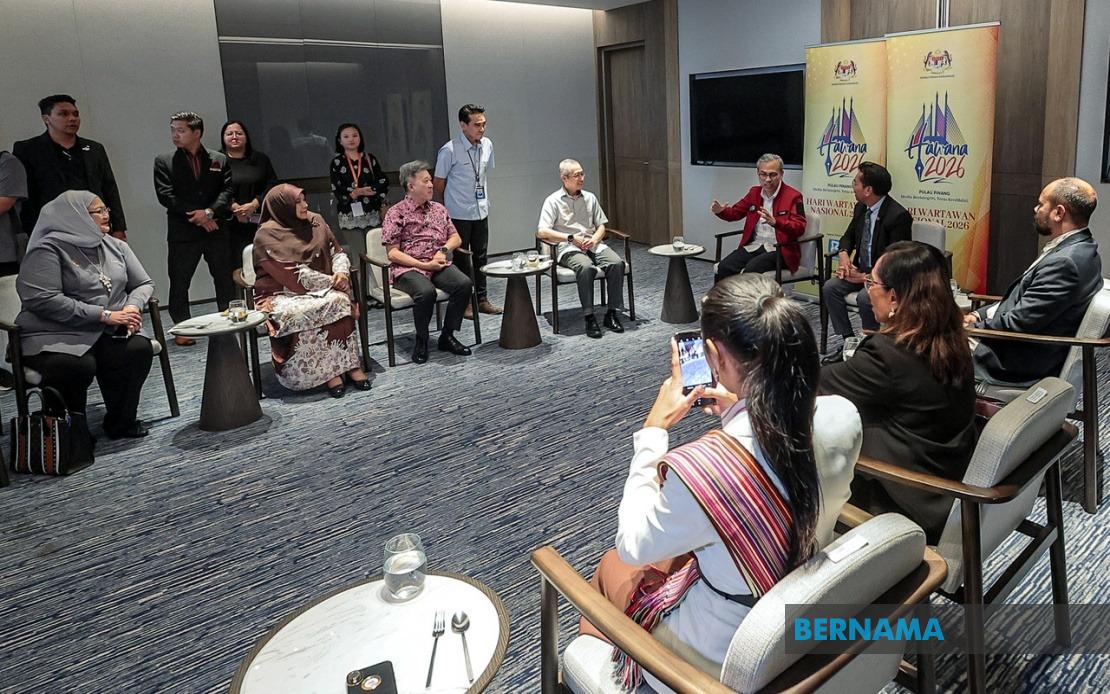
Communications Minister Datuk Fahmi Fadzil has signalled Malaysia's ambition to deepen institutional media cooperation with Timor-Leste, positioning the neighbouring nation as an important partner in building stronger information-sharing mechanisms across Southeast Asia. The overture came during a bilateral meeting in Butterworth on June 20, where Fahmi met with Timor-Leste's Secretary of State for Social Communication, Expedito Loro Dias Ximenes, and senior officials from the country's national news agency, Agencia Noticiosa de Timor-Leste (TATOLI).
The proposed partnership framework focuses on concrete institutional arrangements rather than mere diplomatic pleasantries. Fahmi indicated that Malaysia's Bernama and Radio Televisyen Malaysia (RTM) would spearhead engagement with their Timorese counterparts, creating formal channels for news exchange and editorial collaboration. This approach reflects a recognition that sustained media cooperation requires dedicated infrastructure and resourced channels, not ad-hoc bilateral visits.
A particularly significant dimension of the proposed arrangement is Malaysia's offer to host training programmes for Timorese journalists through the Tun Abdul Razak Broadcasting and Information Institute (IPPTAR). This initiative addresses a practical need in Timor-Leste's media development while positioning Malaysia as a regional centre of professional excellence in journalism and broadcasting. Such capacity-building programmes can yield long-term benefits by creating networks of media professionals with shared training backgrounds and understanding, potentially fostering easier collaboration on regional stories and editorial standards.
The timing of these proposals carries strategic importance within a broader regional context concerning press freedom. During the meeting, both ministers discussed Timor-Leste's impressive standing in the World Press Freedom Index, published annually by Reporters Without Borders. Timor-Leste currently ranks highest in Southeast Asia and 30th globally out of 180 countries assessed. Malaysia, by contrast, ranks second in the region, a position that reflects both progress and acknowledged room for improvement within the MADANI Government's tenure.
Fahmi's willingness to acknowledge Timor-Leste's superior press freedom ranking demonstrates diplomatic maturity and a pragmatic approach to regional relations. Rather than defensive posturing, Malaysia's Communications Minister framed the comparison as an opportunity to learn from a neighbour's experience, suggesting that understanding what practices and policies have enabled Timor-Leste's high ranking could inform Malaysian efforts to climb further in future assessments. This stance contrasts sharply with earlier administrations' approaches to international media freedom metrics, which were often dismissed or downplayed.
The emphasis on press freedom improvement is noteworthy given the MADANI Government's stated commitment to strengthening Malaysia's position on this metric. Fahmi acknowledged that Malaysia has made significant gains over the past three to four years compared with previous administrations, yet stressed that the government recognises considerable potential for further advancement. This calibrated acknowledgment of both progress and unfinished business suggests a governing approach that treats press freedom as a legitimate policy objective rather than an inconvenient international criticism to be deflected.
The meeting occurred during HAWANA 2026, the sixth edition of Malaysia's major media sector gathering, held at the PICCA Convention Centre in Butterworth. With approximately 1,000 local and foreign media practitioners in attendance, the event created an opportune setting for bilateral discussions on media cooperation. The conference's overarching theme, "Media Integrity Strengthens Credibility," underscores growing regional recognition that sustainable media systems depend on institutional integrity and professional standards, concerns that resonate across Southeast Asia's diverse media ecosystems.
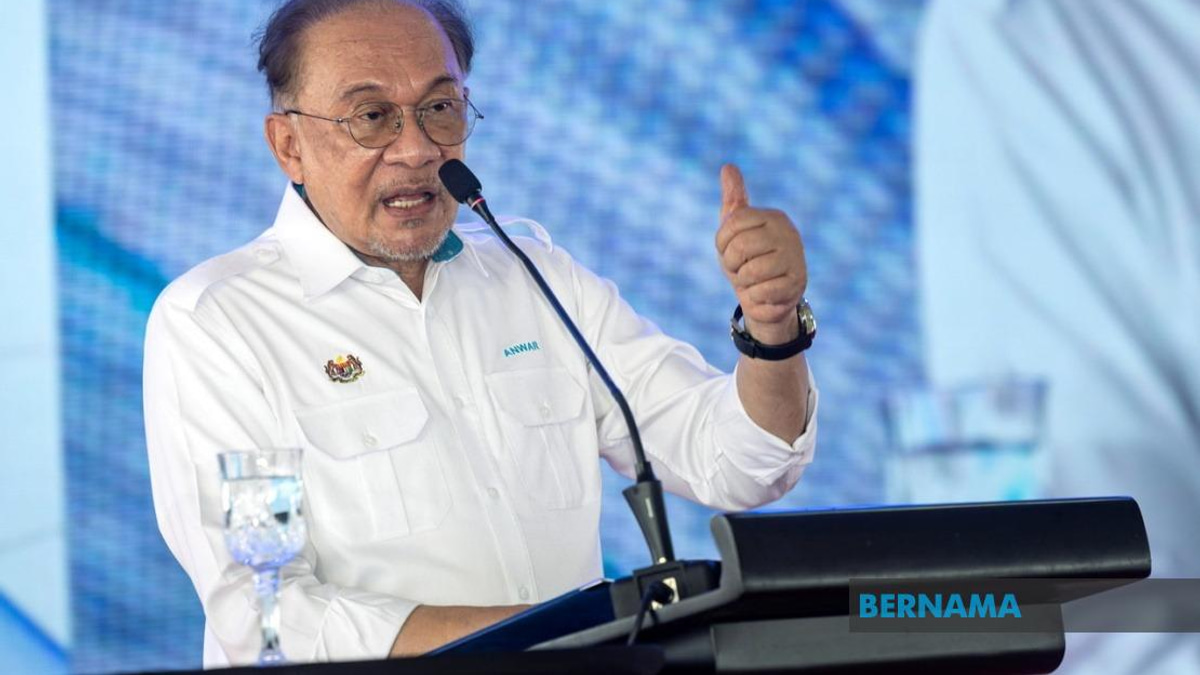
Prime Minister Datuk Seri Anwar Ibrahim's scheduled presence at HAWANA, with the official opening set for 3 pm, further underscores the Malaysian government's prioritisation of media sector engagement. Top-level political attention to industry conferences sends signals about governmental commitment to press freedom issues and media development, though such gestures must be accompanied by substantive policy measures to carry lasting weight.
The composition of Malaysia's delegation at the Timor-Leste meeting reflected the seriousness accorded to the bilateral engagement. Beyond the Communications Minister, attendees included senior Communications Ministry officials—secretary-general Datuk Abdul Halim Hamzah and deputy secretary-general Datuk Bahria Mohd Tamil—as well as leadership from Malaysia's major media institutions. Bernama's chairman Datuk Seri Wong Chun Wai, chief executive officer Datin Paduka Nur-ul Afida Kamaludin, and editor-in-chief Arul Rajoo Durar Raj provided institutional representation, while Broadcasting director-general Ashwad Ismail brought government media agency perspectives. This breadth of representation signals that media cooperation is being treated as an institutional priority rather than a ministerial one-off.
For Timor-Leste, the Malaysian overtures arrive at a moment when the country is seeking to consolidate and expand its media capabilities following decades of post-independence institution-building. Cooperation with Malaysia's more established media infrastructure offers practical benefits in training, technology transfer, and editorial experience. Simultaneous elevation in international press freedom rankings positions Timor-Leste as a model for media development and independence in a region where press freedom remains contested terrain.
The bilateral engagement also carries broader implications for Southeast Asian media cooperation frameworks. Malaysia's approach toward Timor-Leste suggests openness to peer learning and institutional exchange within ASEAN's broader sphere, potentially setting precedents for how more developed media systems engage with neighbours pursuing similar objectives. As digital transformation and disinformation challenge media integrity across the region, institutionalised cooperation mechanisms become increasingly valuable for sharing best practices and coordinating responses to cross-border media challenges.
Beyond diplomatic courtesy, these concrete proposals for journalist training, institutional exchange, and news cooperation represent practical investments in regional media capacity. Their success will depend on adequate resourcing, sustained political commitment beyond initial announcements, and genuine engagement from media institutions rather than merely ceremonial participation. The next phase will involve translating ministerial statements into operational programmes—a transition where many ambitious bilateral initiatives falter.

%22%2F%3E%3C%2Fpattern%3E%3C%2Fdefs%3E%3Crect%20width%3D%22100%25%22%20height%3D%22100%25%22%20fill%3D%22url(%23ph523ndg)%22%2F%3E%3Crect%20width%3D%22100%25%22%20height%3D%22100%25%22%20fill%3D%22url(%23ph523ndp)%22%2F%3E%3Ctext%20x%3D%2250%25%22%20y%3D%2250%25%22%20text-anchor%3D%22middle%22%20dominant-baseline%3D%22central%22%20fill%3D%22rgba(255%2C255%2C255%2C0.95)%22%20font-family%3D%22Georgia%2C%20'Times%20New%20Roman'%2C%20serif%22%20font-weight%3D%22700%22%20font-size%3D%22272%22%20letter-spacing%3D%22-0.02em%22%3EAnwar%3C%2Ftext%3E%3C%2Fsvg%3E)