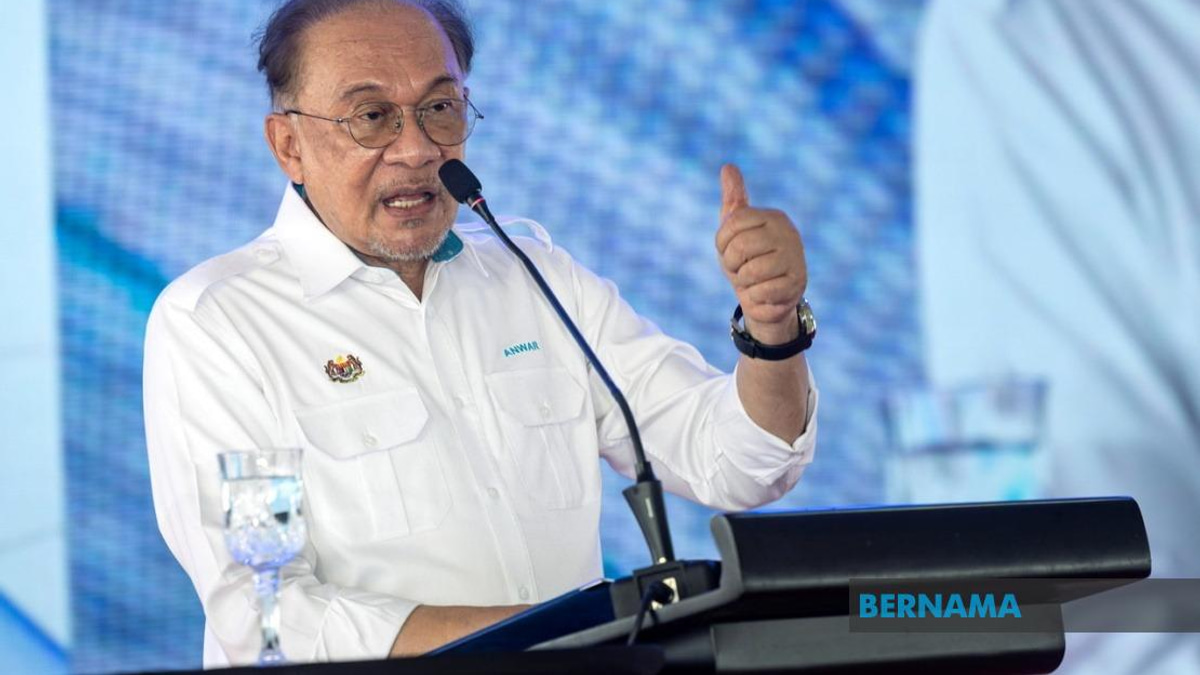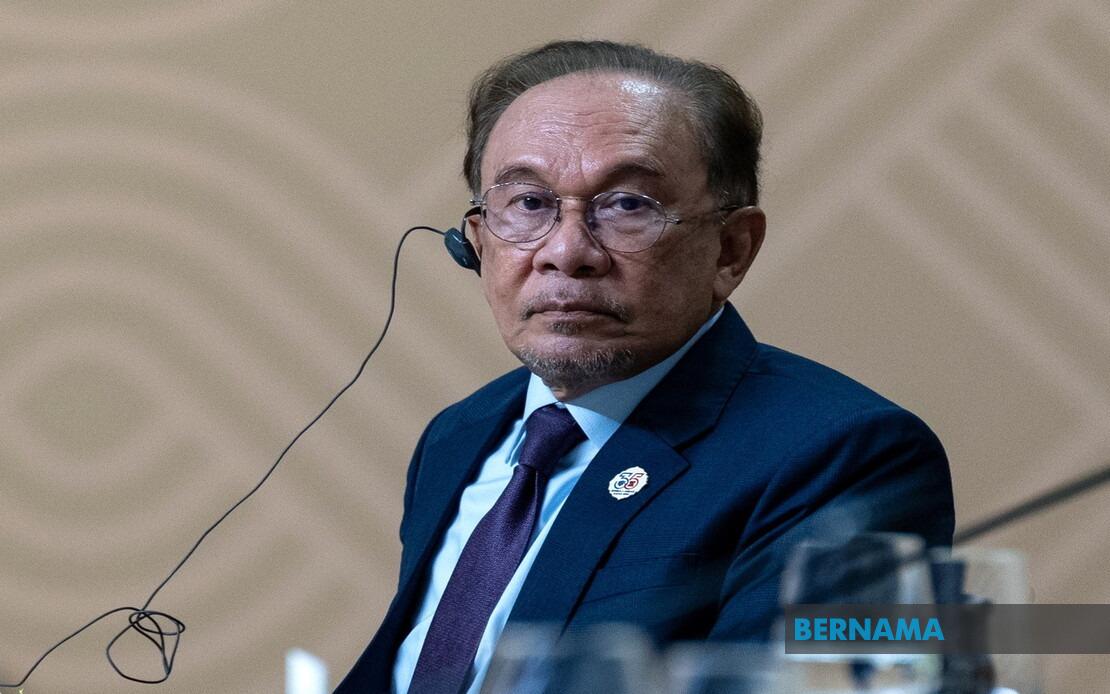
Prime Minister Datuk Seri Anwar Ibrahim has voiced cautious optimism that a memorandum of understanding between the United States and Iran could serve as a foundation for resolving the prolonged tensions that have destabilised West Asia. Speaking at the 35th ASEAN-Russia Commemorative Summit in Kazan on Thursday, Anwar indicated that recent diplomatic progress offers genuine hope for establishing sustainable peace in the volatile region, though he acknowledged the complex dynamics at play given the involvement of the Trump administration.
The Malaysian premier's confidence stems largely from direct consultations with Pakistan Prime Minister Shehbaz Sharif, who has emerged as a critical mediator in the ongoing negotiations between Washington and Tehran. According to Anwar, Sharif has maintained close involvement throughout the entire negotiation process, providing him with detailed assessments of the discussions as they unfold. This behind-the-scenes coordination underscores the role that regional actors continue to play in facilitating dialogue between major powers, a dynamic that carries particular significance for Southeast Asian nations seeking stability in global affairs.
The proposed agreement carries a tight timeline, with negotiators expected to finalise terms within 60 days of the memorandum's signing. Anwar acknowledged the compressed schedule, noting that the relatively brief window does not permit extensive delays. Nevertheless, he framed this deadline as an opportunity for swift resolution rather than an insurmountable obstacle, emphasizing that the international community must collectively encourage the momentum already underway. The urgency embedded in this timeline suggests both parties recognise the cost of prolonged uncertainty in the region.
Beyond his conversations with Pakistan's leadership, Anwar also drew encouragement from separate discussions with Russian President Vladimir Putin. The Russian leader reportedly shared similar optimism regarding the trajectory of negotiations, indicating that major powers beyond the immediate parties to the dispute perceive genuine movement towards a settlement. Russia's perspective holds weight given Moscow's own interests in West Asian stability and its diplomatic leverage within multilateral forums, making its assessment a relevant barometer of international sentiment.
For Malaysia and the broader ASEAN community, the resolution of US-Iran tensions carries tangible implications. The region's strategic importance, combined with its dependence on stable global shipping lanes and energy supplies, means that any major conflict in West Asia directly affects Southeast Asian prosperity and security. A successful peace agreement would reduce geopolitical volatility that has previously triggered disruptions to regional trade and elevated risks for maritime commerce through critical chokepoints.
Anwar's carefully calibrated remarks reflect the diplomatic tightrope Malaysia must walk as a non-aligned nation with interests spanning multiple power blocs. By acknowledging positive developments whilst cautioning against premature celebrations, he positions Malaysia as a voice of measured hope rather than naive optimism. His reference to the Trump administration suggests awareness that American policy shifts can alter negotiating dynamics, a concern rooted in the unpredictability that characterised previous Trump tenure policies toward Iran.
The involvement of Pakistan as a mediator highlights how regional powers have become indispensable to managing great power rivalries in their own neighbourhoods. Sharif's ability to maintain dialogue channels with both Washington and Tehran reflects Islamabad's longstanding diplomatic relationships and strategic positioning. For Malaysia, observing how such mediation functions provides lessons relevant to managing relationships with major powers whilst maintaining independence.
The timing of these remarks during the ASEAN-Russia summit itself carries significance. By raising the issue in this multilateral context, Anwar signals that Southeast Asia views West Asian peace as integral to broader international stability. The summit setting provided an opportunity to gauge Russian perspectives directly whilst reinforcing Malaysia's commitment to constructive engagement across different geopolitical alignments. This approach aligns with ASEAN's principle of maintaining equidistant relationships with major powers.
Should the 60-day negotiation window yield a successful agreement, the precedent could reshape how regional disputes are addressed globally. A US-Iran understanding would demonstrate that sustained diplomatic effort, supported by respected intermediaries, can overcome seemingly intractable confrontations. For developing nations like Malaysia, such outcomes reinforce the value of dialogue over confrontation and the importance of patient diplomatic engagement.
However, Anwar's carefully qualified language—acknowledging uncertainty whilst expressing optimism—reflects the genuine unpredictability that remains. Historical precedent shows that previous attempts at US-Iranian rapprochement have foundered despite initial promise. The current momentum, whilst encouraging, operates within broader constraints including domestic political considerations in both countries and the interests of regional allies.
The Malaysian prime minister's public backing of the peace initiative serves multiple purposes. Domestically, it positions Malaysia as a responsible stakeholder in international affairs capable of engaging with major powers. Regionally, it reinforces ASEAN's preference for peaceful resolution of disputes. Globally, it adds Malaysia's voice to the growing chorus of nations invested in de-escalation, potentially creating modest diplomatic pressure in favour of finalising the agreement within the prescribed timeframe.

%22%2F%3E%3C%2Fpattern%3E%3C%2Fdefs%3E%3Crect%20width%3D%22100%25%22%20height%3D%22100%25%22%20fill%3D%22url(%23ph523ndg)%22%2F%3E%3Crect%20width%3D%22100%25%22%20height%3D%22100%25%22%20fill%3D%22url(%23ph523ndp)%22%2F%3E%3Ctext%20x%3D%2250%25%22%20y%3D%2250%25%22%20text-anchor%3D%22middle%22%20dominant-baseline%3D%22central%22%20fill%3D%22rgba(255%2C255%2C255%2C0.95)%22%20font-family%3D%22Georgia%2C%20'Times%20New%20Roman'%2C%20serif%22%20font-weight%3D%22700%22%20font-size%3D%22272%22%20letter-spacing%3D%22-0.02em%22%3EAnwar%3C%2Ftext%3E%3C%2Fsvg%3E)