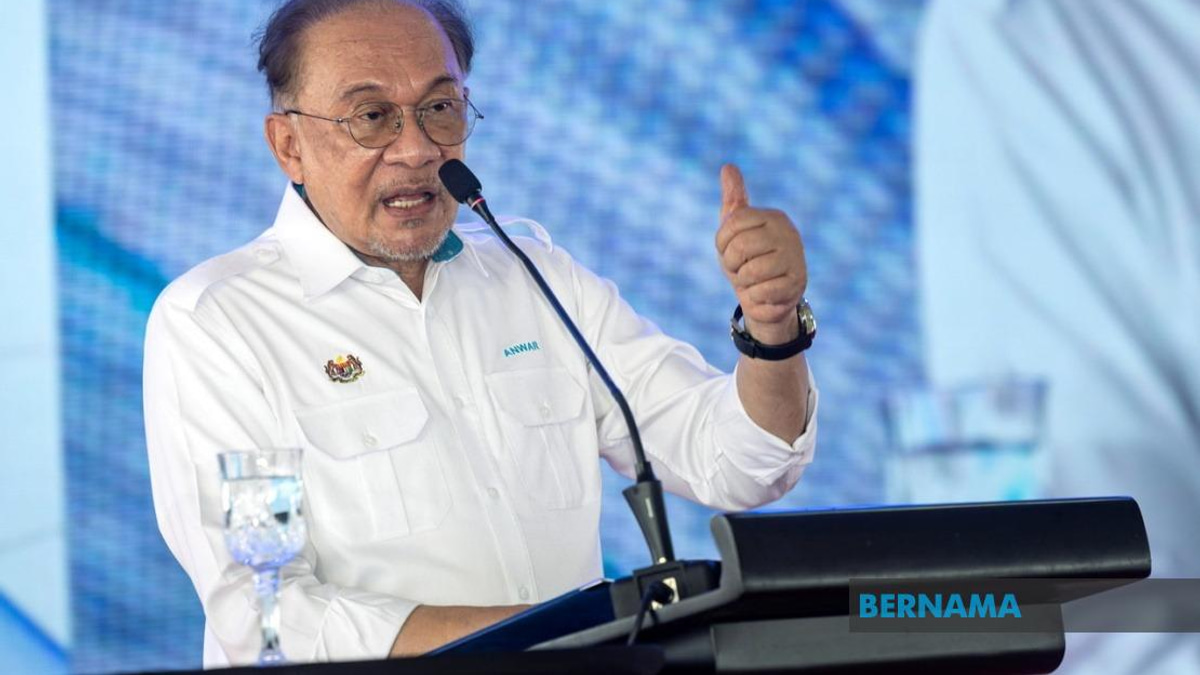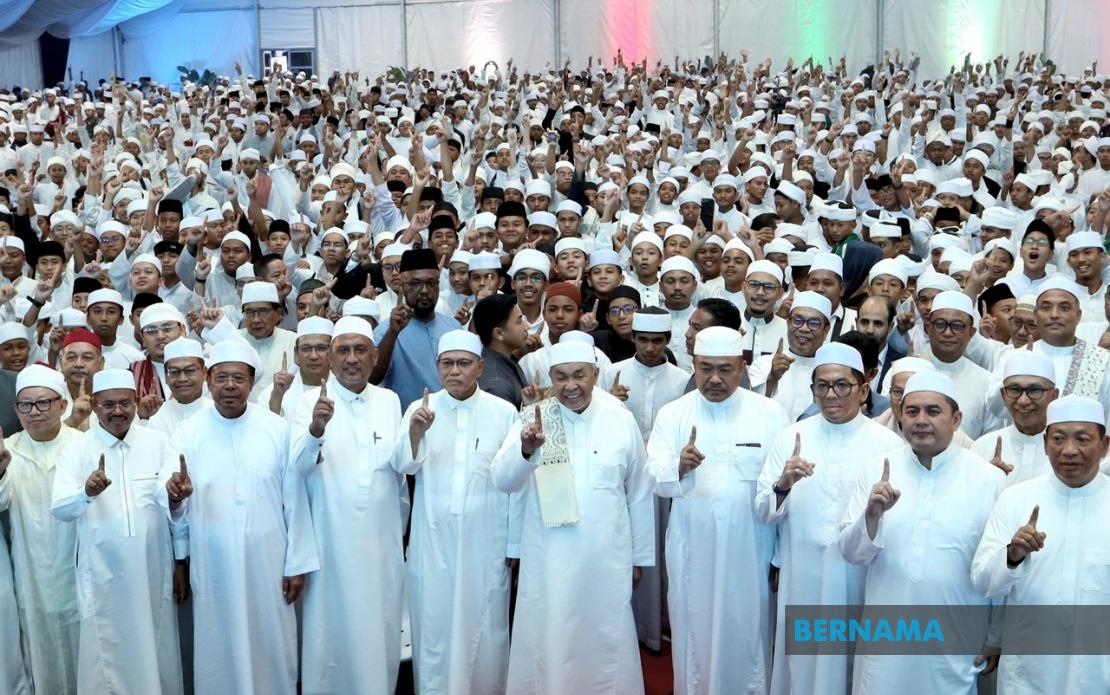
Malaysia's government has given formal approval to establish a National Tahfiz Council, a significant institutional development aimed at bringing coherence and structure to the country's Quranic memorisation education sector. The decision, which emerged from a recent Cabinet meeting, represents an attempt to elevate tahfiz education from fragmented private and religious institution systems into a recognised and regulated educational pathway with clear academic standards and professional prospects. Deputy Prime Minister Datuk Seri Dr Ahmad Zahid Hamidi, who will chair the council, outlined the initiative while addressing the Pahang State Huffaz Gathering 2026 in Kuantan, where more than 5,000 Quranic memorisers from across the state convened.
The core objective of the National Tahfiz Council extends beyond mere academic recognition. The framework seeks to create seamless educational progressions for tahfiz students, enabling them to transition from religious schools into conventional universities and subsequently into professional careers without losing their spiritual training. This addresses a longstanding challenge in Southeast Asian Islamic education systems where students who dedicate years to memorising the Quran often struggle to access mainstream economic opportunities or further tertiary education. By institutionalising tahfiz as a formal educational track, the council aims to reconcile religious commitment with career advancement and economic mobility.
Pahang state has emerged as a model for how comprehensive tahfiz infrastructure can be developed. The state has constructed a vertical educational pathway that begins in early childhood through dedicated Quranic preparatory programmes and extends to international-level competition and scholarship opportunities. The Tadika Tahfiz Negeri Pahang initiative, which introduces young children to Quranic studies under the patronage of the Sultan of Pahang, exemplifies how state-level commitment can embed tahfiz culture throughout the educational ecosystem. Ahmad Zahid highlighted Pahang's success as proof that structured, progressive tahfiz education can deliver meaningful outcomes without compromising either religious depth or contemporary relevance.
The establishment of the council arrives alongside implementation of the National Tahfiz Policy 2.0, which introduces several mechanism designed to modernise the sector. The Malaysian Tahfiz Certificate 2.0 provides standardised credentials recognised across employers and educational institutions, while the Graded Hafazan Certification system offers tiered recognition reflecting different levels of Quranic mastery. These frameworks address a critical gap in the current system where qualifications earned at traditional tahfiz institutions lack portability or external validation. The Huffaz Financing Scheme, meanwhile, tackles the financial barriers that prevent talented students from pursuing advanced tahfiz studies, democratising access beyond families with substantial means.
Vocational and technical pathways form another pillar of the modernisation strategy through initiatives such as TVET Tahfiz, which integrates Quranic studies with technical and vocational training. This hybrid approach acknowledges that contemporary labour markets demand multidisciplinary capabilities and that tahfiz students benefit from skills training in areas such as Islamic finance, education, counselling, and community development. By combining memorisation discipline with practical technical competencies, the system positions hafiz graduates as competitive candidates for employment across both religious and secular sectors.
Strategic partnerships between government agencies and educational institutions represent a practical mechanism for expanding the council's reach and effectiveness. The memorandum of understanding exchanged at the Pahang gathering between Yayasan Pahang, the Community Development Department (KEMAS), and Majlis Amanah Rakyat (MARA) consolidates resources and coordination across multiple government bodies. MARA, which administers scholarship schemes and entrepreneurial development programmes, can leverage its network to create advancement opportunities for tahfiz graduates, while KEMAS brings community-level implementation capacity. Such institutional alignment proves essential for translating national policy frameworks into ground-level outcomes across Malaysia's diverse socioeconomic contexts.
For Malaysia's broader education ecosystem, the National Tahfiz Council signals governmental confidence in Islamic education as a legitimate pillar of the national knowledge economy. This recognition carries implications for how Malaysia positions itself regionally and globally as a Muslim-majority nation managing pluralistic development. By professionalising tahfiz education rather than marginalising it, the government creates space for Islamic learning to coexist with secular advancement and economic modernisation. The approach mirrors successful models in countries such as Egypt and Pakistan where government-regulated tahfiz systems have produced both religious scholars and professionals across fields including law, medicine, and business.
The timing of this initiative reflects Malaysia's recognition that demographic trends and economic realities demand expanded educational pathways. As younger Malaysians increasingly pursue tertiary education and seek meaningful careers, the traditional choice between religious and secular education becomes increasingly artificial. Thousands of Malaysian families invest in tahfiz education annually, but students completing such programmes often lack formal credentials or clear advancement routes. The council addresses this mismatch by creating institutional scaffolding that respects religious commitment while facilitating economic participation and social mobility.
Regional observers note that Malaysia's move positions it as a leader in modernising Islamic education within Southeast Asia. Unlike some neighbouring countries where tahfiz education remains largely autonomous from state systems, Malaysia's integrated approach suggests a model whereby religious education operates within national frameworks while maintaining pedagogical and spiritual integrity. This carries significance for parents throughout the region contemplating tahfiz investments and for educators considering how Islamic learning can contribute to comprehensive human development rather than remaining siloed from mainstream advancement pathways.
The success of the National Tahfiz Council will ultimately depend on implementation execution across multiple levels. State governments, religious authorities, educational institutions, and employers must align their policies and practices with the council's standards and frameworks. Resource allocation will prove critical, particularly for the Huffaz Financing Scheme and infrastructure development in underserved regions. Monitoring mechanisms must track whether tahfiz graduates successfully access university places, secure employment, and advance into professional roles. Without robust accountability and continuous improvement, the council risks becoming another bureaucratic body producing policies disconnected from ground-level realities.
Looking forward, the council faces the conceptual challenge of maintaining academic rigour and spiritual depth while rendering tahfiz education compatible with secular career pathways. Employers must develop competency frameworks recognising what tahfiz training contributes to workplace performance. Universities require curriculum integration models allowing hafiz students to pursue advanced degrees while continuing religious studies. These structural questions demand ongoing dialogue between religious authorities, educators, and economic stakeholders. If navigated successfully, Malaysia's tahfiz modernisation could become a template for other Muslim-majority nations seeking to ensure that religious commitment enhances rather than impedes contemporary development and prosperity.

%22%2F%3E%3C%2Fpattern%3E%3C%2Fdefs%3E%3Crect%20width%3D%22100%25%22%20height%3D%22100%25%22%20fill%3D%22url(%23ph523ndg)%22%2F%3E%3Crect%20width%3D%22100%25%22%20height%3D%22100%25%22%20fill%3D%22url(%23ph523ndp)%22%2F%3E%3Ctext%20x%3D%2250%25%22%20y%3D%2250%25%22%20text-anchor%3D%22middle%22%20dominant-baseline%3D%22central%22%20fill%3D%22rgba(255%2C255%2C255%2C0.95)%22%20font-family%3D%22Georgia%2C%20'Times%20New%20Roman'%2C%20serif%22%20font-weight%3D%22700%22%20font-size%3D%22272%22%20letter-spacing%3D%22-0.02em%22%3EAnwar%3C%2Ftext%3E%3C%2Fsvg%3E)