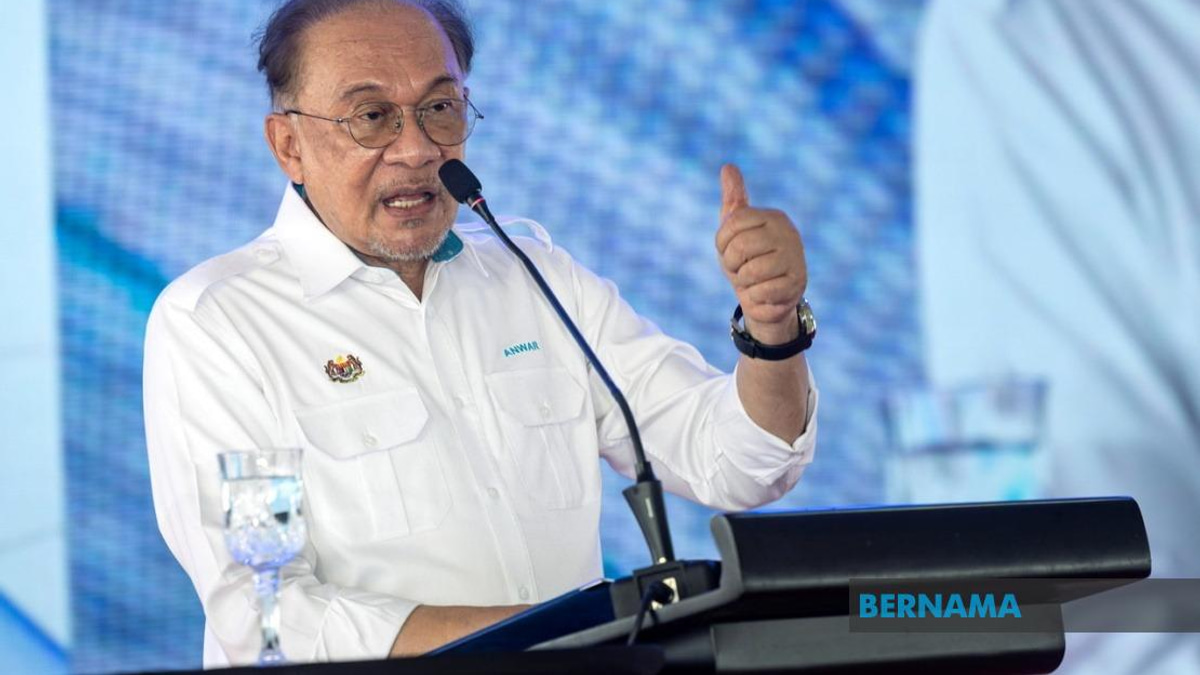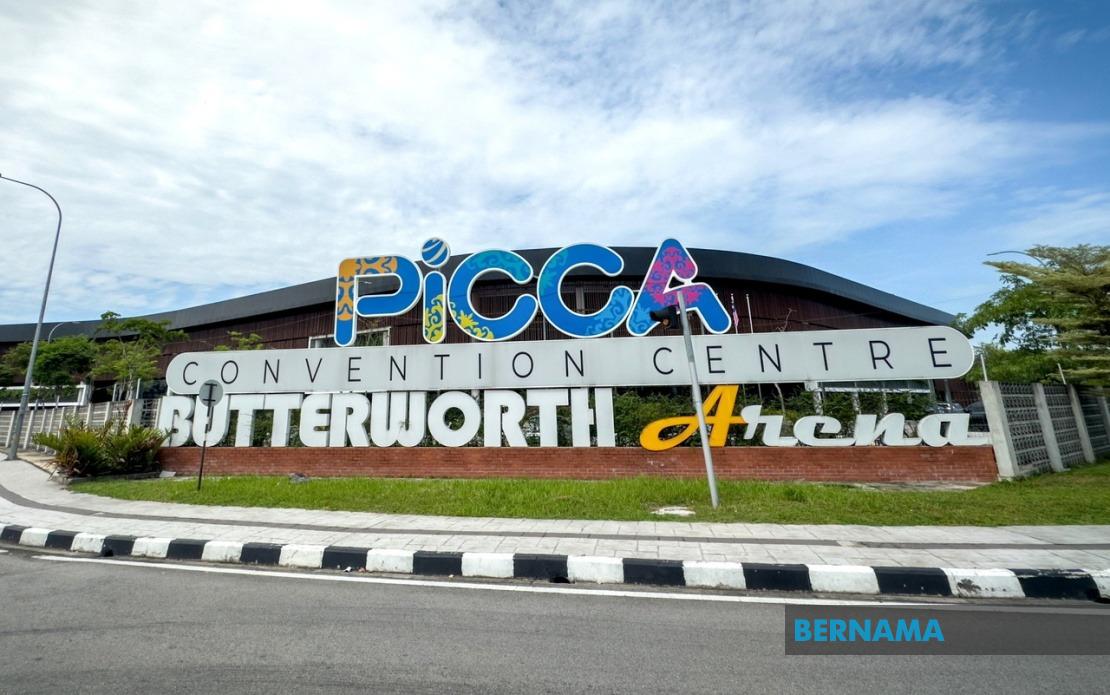
The National Journalists' Day (HAWANA) 2026 reaches its climax today at the PICCA@Arena Butterworth Convention Centre, convening approximately 1,000 journalism professionals from Malaysia and abroad to celebrate the sixth iteration of this significant annual observance. This year's edition carries particular weight with its chosen theme of 'Media Integrity Strengthens Credibility', a topic that resonates deeply across Southeast Asia where journalists navigate complex political landscapes and rising information disorder. The spotlight falls on the official ceremony at 3 pm, when Prime Minister Datuk Seri Anwar Ibrahim will preside over the proceedings, signalling the government's continued emphasis on supporting media institutions as pillars of democratic accountability.
The convergence of prominent political figures and media leaders reflects the Malaysian establishment's recognition that journalism requires sustained investment and institutional backing. Alongside the Prime Minister, Penang Chief Minister Chow Kon Yeow and Communications Minister Datuk Fahmi Fadzil will attend, alongside senior bureaucrats including Communications Ministry secretary-general Datuk Abdul Halim Hamzah. This high-level participation underscores the strategic importance of media relations within Malaysia's governance framework. The presence of Malaysian National News Agency (Bernama) leadership, including Chairman Datuk Seri Wong Chun Wai and Chief Executive Officer Datin Paduka Nur-ul Afida Kamaludin, further emphasises the state's commitment to maintaining a robust national news infrastructure.
A significant dimension of this year's celebration is the participation of international media organisations, indicating Malaysia's engagement with regional journalism networks. Delegations from Indonesia's Antara News Agency, Vietnam News Agency (VNA), and China's Xinhua News Agency will attend, alongside representatives from the Indonesian Journalists Association and the Malaysia-Indonesia Journalists Friendship Association (ISWAMI). These international contingents reflect the cross-border challenges facing journalists in Southeast Asia, where reporting on regional issues frequently requires collaboration and mutual understanding among media practitioners operating in different regulatory environments. The inclusion of foreign delegations also positions Malaysia as a convening force within ASEAN's media sphere, potentially fostering standards around press freedom and editorial independence.
The centrepiece of today's ceremony involves the bestowal of national honours recognising exemplary service to journalism. Prime Minister Anwar will distribute HAWANA Awards and Special HAWANA Awards to individuals whose professional endeavours have substantially shaped public discourse and contributed to informed citizenry. Additionally, the Tabung Kasih@HAWANA fund will provide financial assistance to veteran media practitioners facing hardship, acknowledging journalism's human dimension and the economic pressures that journalists increasingly face. This welfare component reveals an understanding that sustaining media quality requires attending to practitioners' material security, a concern that grows more pressing as traditional media business models face disruption from digital transformation and advertising migration.
Beyond the formal ceremony, the three-day RIUH Pi HAWANA Carnival occurring at the convention centre's parking area injects popular cultural energy into professional commemoration. The carnival features performances by established Malaysian musicians including Exists, Bunkface, Masdo, Sakura Band, Budak Nakal Hujung Simpang, and Chelsea Ng, transforming journalistic celebration into broader community engagement. The event platform accommodates more than 24 local creative product brands and 20 food and beverage vendors, creating economic opportunity for small enterprises while attracting diverse audiences to the festival atmosphere. Interactive workshops integrated throughout the carnival programme extend the educational dimension of HAWANA beyond industry practitioners to the general public, democratising access to media literacy and understanding journalism's societal function.
The lead-up to today's grand finale involved multiple preparatory events that extended HAWANA's reach throughout 2026. The May 7 Media Forum provided a structured environment for discussion of contemporary journalism challenges, while the June 4 Strategic Partners Engagement Event consolidated relationships between media organisations and government institutions. The June 14 Fun Walk mobilised both practitioners and public supporters, physically manifesting the collective commitment to media's role in Malaysian society. This phased approach to celebration suggests institutional sophistication in building consensus around media values and ensuring broad stakeholder participation rather than treating the anniversary as a singular ceremonial moment.
HAWANA itself commemorates a foundational moment in Malaysian journalism history: the publication of Utusan Melayu newspaper on May 29, 1939, making May 29 the annual date of remembrance. This historical connection grounds contemporary media discussion in a tradition extending back to the colonial period, when vernacular press became instrumental in nationalist political mobilisation. The perpetuation of this commemoration reflects Malaysia's complex relationship with press history, acknowledging journalism's contribution to independence and nation-building whilst navigating contemporary debates about editorial independence and state-press relations.
The Communications Ministry's coordination of HAWANA, with Bernama as the implementing agency, concentrates significant agenda-setting power within official structures. This arrangement ensures consistent messaging about media's proper role as a conveyor of 'accurate, verified, and authoritative information' — language that carries particular significance in Malaysia's contested information environment. The formulation reflects official preference for journalism operating within frameworks of national interest and social stability, perspectives that sometimes generate tension with professional journalism norms emphasising adversarial scrutiny of power.
For Malaysian media practitioners, today's celebration arrives amid broader pressures reshaping journalism regionally. Economic challenges stemming from digital disruption, coupled with varying regulatory environments across Southeast Asia, create precarious professional circumstances for reporters and editors. The emphasis on media integrity in this year's theme implicitly acknowledges concerns about misinformation, partisan journalism, and institutional credibility — challenges that Malaysian media must address alongside counterparts across ASEAN. HAWANA's affirmation of journalistic values and professional recognition provides important institutional validation at a moment when journalism's social status and economic viability face simultaneous pressure.
The gathering in Penang today represents more than ceremonial commemoration; it reflects Malaysia's ongoing negotiation between supporting journalism as a democratic institution and maintaining official narratives about national stability and social harmony. International participation transforms the event into a regional statement about journalism's importance across Southeast Asia, whilst domestic engagement renews professional community cohesion around shared values of accuracy, verification, and public service. As misinformation spreads and media landscapes fragment globally, such institutional affirmations of journalistic integrity become increasingly significant, even as questions persist about whether ceremonies and awards adequately address structural challenges facing contemporary media systems.

%22%2F%3E%3C%2Fpattern%3E%3C%2Fdefs%3E%3Crect%20width%3D%22100%25%22%20height%3D%22100%25%22%20fill%3D%22url(%23ph523ndg)%22%2F%3E%3Crect%20width%3D%22100%25%22%20height%3D%22100%25%22%20fill%3D%22url(%23ph523ndp)%22%2F%3E%3Ctext%20x%3D%2250%25%22%20y%3D%2250%25%22%20text-anchor%3D%22middle%22%20dominant-baseline%3D%22central%22%20fill%3D%22rgba(255%2C255%2C255%2C0.95)%22%20font-family%3D%22Georgia%2C%20'Times%20New%20Roman'%2C%20serif%22%20font-weight%3D%22700%22%20font-size%3D%22272%22%20letter-spacing%3D%22-0.02em%22%3EAnwar%3C%2Ftext%3E%3C%2Fsvg%3E)