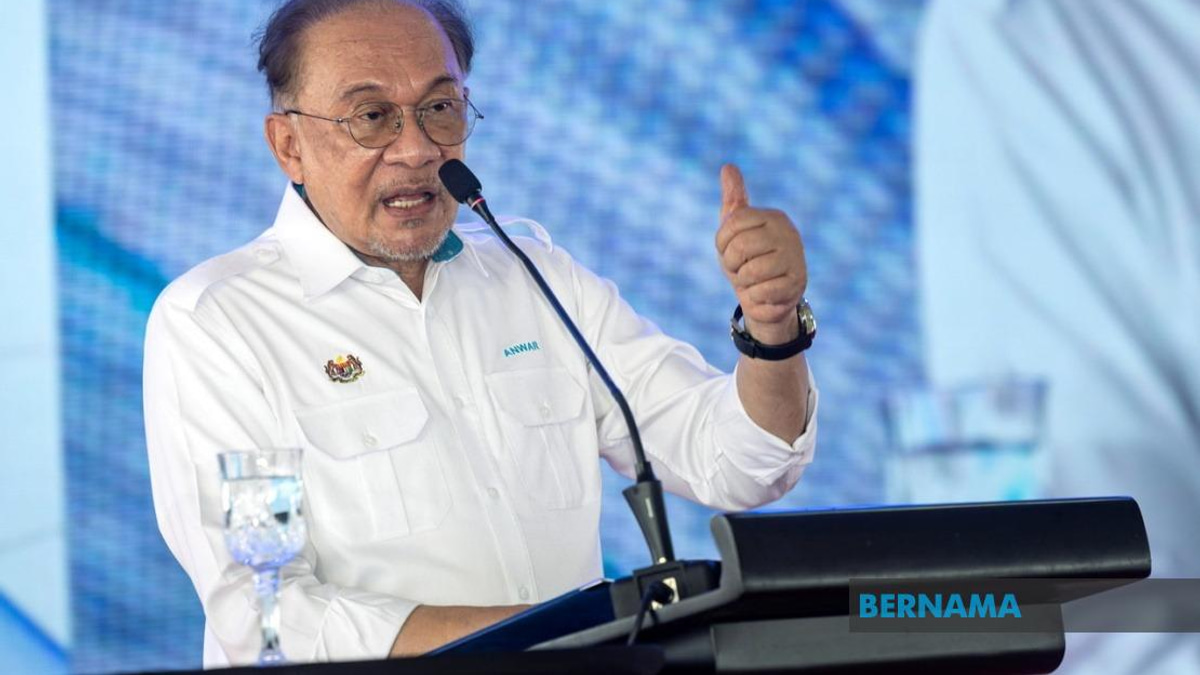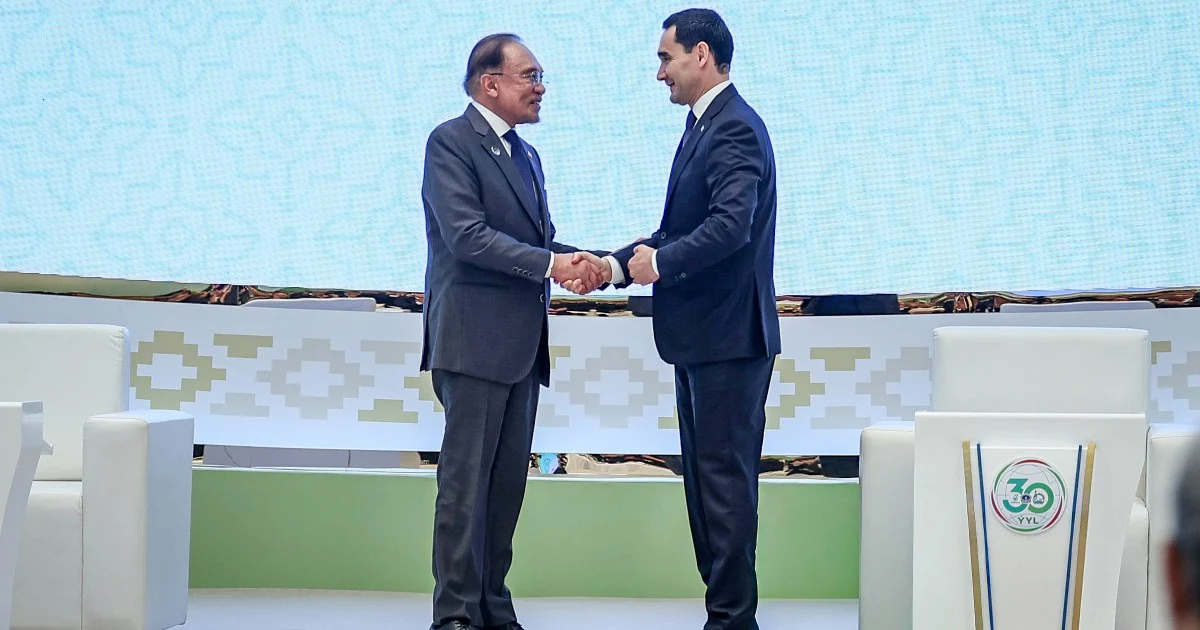
Malaysia and Turkmenistan have reached a consensus to substantially deepen their partnership across multiple economic fronts, with particular emphasis on the energy sector and wider bilateral engagement in trade and investment. The agreement follows Prime Minister Datuk Seri Anwar Ibrahim's official visit to the Central Asian republic, marking a significant milestone in relations between the two nations as they seek to unlock fresh opportunities in a region historically less explored by Malaysian policymakers.
The energy dimension of this cooperation represents perhaps the most strategically consequential element of the partnership. Turkmenistan possesses some of the world's largest natural gas reserves, ranking among the top producers globally, and Malaysia's growing energy requirements present a natural convergence of interests. For Malaysia, which continues to balance its domestic energy needs with long-term sustainability goals, accessing additional energy sources through strategic partnerships addresses immediate supply considerations while potentially diversifying the nation's portfolio beyond traditional regional suppliers. Turkmenistan's position along the Caspian Sea and its existing pipeline infrastructure to multiple markets underscore its significance as an energy powerhouse in Central Asia.
Beyond hydrocarbons, the two nations have committed to broadening their commercial ties through enhanced trade mechanisms and investment frameworks. Malaysia's companies have increasingly sought exposure to Central Asian markets as part of the broader Look East strategy and regional diversification efforts, and Turkmenistan offers an entry point into a region with growing consumer demand and developmental potential. Similarly, Turkmen businesses stand to benefit from Malaysian expertise in financial services, manufacturing, and technology sectors, creating avenues for mutual commercial benefit that extend well beyond resource extraction.
Transportation connectivity featured prominently in the discussions, recognizing that logistics infrastructure forms the backbone of sustained trade growth between distant markets. The establishment of more efficient transport corridors, whether through air, sea, or overland routes, would facilitate smoother movement of goods and potentially reduce transaction costs for businesses operating across both nations. This aspect takes on added significance given Malaysia's established role as a regional hub and its strategic position in Southeast Asian supply chains, which Turkmenistan might leverage for broader continental access.
Educational collaboration represents another pillar of this deepening relationship, with implications for building long-term human capital and institutional linkages. Malaysian universities and technical institutions possess considerable regional reputation, and expanded student and faculty exchange programmes could cultivate the next generation of bilateral professionals and foster intellectual connections between the populations. Conversely, Turkmen students and scholars gaining exposure to Malaysian educational models and practices strengthens mutual understanding and creates networks that often outlast formal diplomatic arrangements.
The technological dimension reflects broader global trends toward innovation-driven development. Malaysia's advancing capabilities in digital transformation, renewable energy technologies, and industrial automation could find receptive markets in Turkmenistan as the nation modernizes its infrastructure and industrial base. This sector also carries implications for addressing shared challenges in energy efficiency and environmental sustainability, positioning both nations to benefit from collaborative problem-solving in a warming world.
From a geopolitical perspective, Anwar Ibrahim's visit underscores Malaysia's expanded diplomatic footprint under his leadership, extending engagement beyond traditional Southeast Asian and immediate regional circles. The outreach to Central Asia represents a strategic calculation that Malaysia's prosperity depends not only on regional integration but on broader participation in continental trade and diplomatic networks. In an era of shifting global power dynamics, such bilateral partnerships serve as ballast for mid-sized nations seeking to navigate between larger powers while protecting their autonomous policymaking space.
For Turkmenistan, the agreement with Malaysia signals openness to deepening ties with Southeast Asian nations beyond China and Russia, its traditional major partners. Malaysia's democratic governance model, international business culture, and established networks in regional financial centres make it an attractive partner for economic diversification and institutional learning. The partnership also demonstrates Turkmenistan's strategy of cultivating multiple external relationships rather than concentrating dependency on any single power.
The practical implementation of these agreements will test both governments' commitment to moving beyond diplomatic rhetoric into substantive commercial and institutional arrangements. Success will depend on establishing clear timelines for energy negotiations, creating formal trade facilitation mechanisms, and ensuring that educational and technological partnerships receive adequate funding and administrative support. Previous bilateral agreements between distant nations sometimes languish without dedicated institutional mechanisms, so the creation of joint commissions and working groups becomes essential.
For Malaysian businesses and investors, this opening presents opportunities in energy procurement, infrastructure development in Turkmenistan, and access to Central Asian markets through a reliable partner nation. The telecommunications, construction, and professional services sectors may particularly benefit from expanded bilateral frameworks. Conversely, Malaysian consumers could potentially gain from diversified energy sourcing arrangements that enhance national energy security and possibly contribute to more stable domestic pricing structures over time.
The agreement also carries implications for Malaysia's broader positioning in regional forums, particularly the Shanghai Cooperation Organisation and other Central Asian platforms where energy and trade cooperation take precedence. Enhanced bilateral ties with Turkmenistan could strengthen Malaysia's voice and influence in these wider institutional settings, contributing to the nation's soft power projection in an increasingly multipolar world.
Looking forward, the momentum generated by Anwar Ibrahim's visit should be sustained through follow-up diplomatic engagement at multiple levels, from ministerial visits to expert-level technical committees. The durability of this partnership will ultimately depend on whether both nations translate goodwill into concrete commercial transactions and whether the promised initiatives in education, technology, and transportation yield tangible benefits for their respective populations.

%22%2F%3E%3C%2Fpattern%3E%3C%2Fdefs%3E%3Crect%20width%3D%22100%25%22%20height%3D%22100%25%22%20fill%3D%22url(%23ph523ndg)%22%2F%3E%3Crect%20width%3D%22100%25%22%20height%3D%22100%25%22%20fill%3D%22url(%23ph523ndp)%22%2F%3E%3Ctext%20x%3D%2250%25%22%20y%3D%2250%25%22%20text-anchor%3D%22middle%22%20dominant-baseline%3D%22central%22%20fill%3D%22rgba(255%2C255%2C255%2C0.95)%22%20font-family%3D%22Georgia%2C%20'Times%20New%20Roman'%2C%20serif%22%20font-weight%3D%22700%22%20font-size%3D%22272%22%20letter-spacing%3D%22-0.02em%22%3EAnwar%3C%2Ftext%3E%3C%2Fsvg%3E)