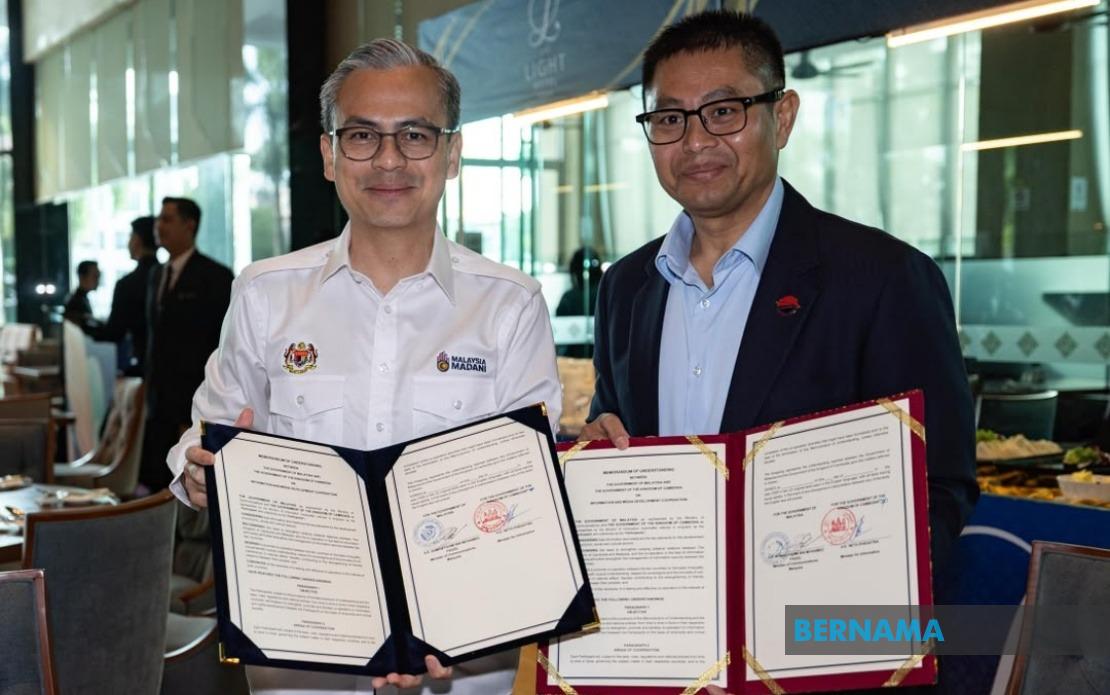
Malaysia and Cambodia have taken a significant step forward in their bilateral relationship by formalising a comprehensive memorandum of understanding focused on media and information development. The agreement, signed during a ceremony at the Light Hotel in Butterworth on June 20, represents a deliberate effort by both nations to leverage the growing importance of digital communications in advancing shared strategic interests. Communications Minister Datuk Fahmi Fadzil signed on Malaysia's behalf, while the Cambodian delegation was represented by Under Secretary of State Prak Thaveak Amida, acting on instructions from Cambodia's Information Minister Neth Pheaktra.
The scope of the cooperation framework is notably expansive, reflecting the complexity of modern media ecosystems and the multifaceted challenges facing both governments in an increasingly digitised information landscape. The agreement explicitly encompasses news and information exchange mechanisms, establishing formal channels through which Malaysian and Cambodian media organisations can share stories, insights, and reporting resources. Additionally, the MoU covers collaborative ventures in radio and television broadcasting, where both nations can pool technical expertise and content production capabilities. The inclusion of printing and publishing cooperation acknowledges the continued relevance of traditional media channels, particularly in reaching rural and less digitally-connected populations across Southeast Asia.
A particularly strategic element of this partnership is the emphasis on human capital development within the media sector. By facilitating the exchange of journalists, media professionals, and technical experts, both countries aim to elevate professional standards and foster a stronger culture of quality journalism. This dimension is particularly significant given ongoing concerns about media literacy, misinformation, and the erosion of public trust in media institutions across the region. The agreement's inclusion of film and documentary production suggests an intention to strengthen cultural diplomacy and enhance the international visibility of both nations' creative industries.
The cybersecurity component warrants special attention, particularly for Malaysian stakeholders. As media organisations increasingly operate across digital platforms and manage vast quantities of sensitive data, protecting these institutions from cyber threats has become a critical national security concern. The MoU's inclusion of media cybersecurity cooperation indicates that both Malaysia and Cambodia recognise the vulnerability of their information infrastructure to malicious actors, whether state-sponsored or otherwise. This dimension of the agreement potentially creates opportunities for Malaysian cybersecurity firms and experts to engage with Cambodian counterparts, while also establishing mutual protocols for defending against transnational digital threats targeting the media sector.
The agreement also establishes frameworks for cooperation on information policy and regulatory practices. This aspect is particularly relevant given the divergent approaches Malaysia and Cambodia have historically taken toward media regulation and freedom of expression. By creating a dialogue mechanism around regulatory practices, the two countries may find opportunities to align certain standards while respecting each other's sovereign governance models. Such cooperation could prove valuable as both nations navigate the complex intersection of ensuring public safety, combating disinformation, and maintaining media freedom.
Innovation in media and broadcasting technology represents another pillar of this partnership. The rapid evolution of broadcasting technology, from traditional terrestrial signals to streaming platforms and emerging technologies like artificial intelligence-driven content personalisation, requires ongoing investment and expertise. Through this cooperation mechanism, Malaysian and Cambodian broadcasters can share lessons learned from technological transitions and collaborate on adopting new tools that enhance content quality and audience reach.
The broader context for this agreement involves the strengthening of Malaysia-Cambodia relations across multiple sectors. Both nations are members of the Association of Southeast Asian Nations (ASEAN) and share numerous regional interests. The media cooperation framework should be understood as part of a wider diplomatic strategy to deepen engagement and build institutional relationships that transcend individual administrations. By establishing formal mechanisms for cooperation in the media sector, Malaysia and Cambodia are effectively creating enduring structures that can weather political transitions and continue functioning across different leadership cycles.
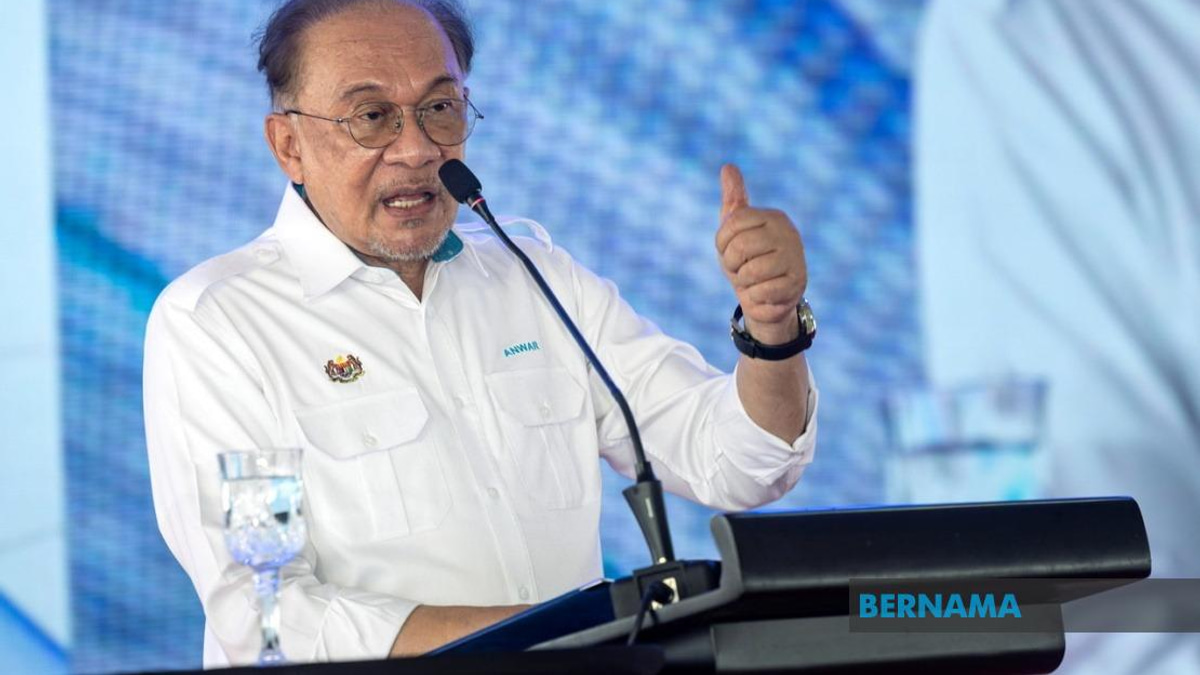
The timing of the MoU's signature during the National Journalists' Day (HAWANA) 2026 grand finale was deliberately symbolic. This annual gathering, which draws approximately 1,000 local and international media practitioners, serves as a platform for celebrating journalism's role in society while addressing contemporary challenges facing the profession. The ceremony's inclusion during this prominent event signalled both governments' commitment to the media community and their recognition of journalism's importance to democratic governance and social cohesion. Prime Minister Datuk Seri Anwar Ibrahim's scheduled attendance at the HAWANA 2026 closing ceremony further underscored the government's prioritisation of media-related initiatives.
For Malaysian media organisations, this agreement opens concrete opportunities for international collaboration and expansion. News agencies, broadcasters, and publishing houses can now engage with Cambodian counterparts under an official diplomatic framework, potentially facilitating joint ventures, content sharing agreements, and professional exchanges. Bernama, Malaysia's national news agency, and prominent regional broadcasters stand to benefit from enhanced access to Cambodian news sources and expanded reach into Cambodian media markets.
The MoU's emphasis on knowledge exchange and best practices reflects a broader regional trend toward recognising that media challenges transcend national borders. Misinformation, disinformation, media literacy deficits, and the rapid decline of traditional media business models affect Malaysia, Cambodia, and virtually every other Southeast Asian nation. By establishing formal cooperation mechanisms, both countries position themselves to collectively address these challenges more effectively than they could independently. The framework also enables smaller media entities in both nations to benefit from exposure to international standards and practices.
Looking forward, the success of this agreement will depend on the implementation mechanisms established by both governments and the degree of enthusiasm with which media industry stakeholders in both nations embrace the opportunities presented. Regular ministerial consultations, working group meetings focused on specific sectors, and concrete collaborative projects will be essential to transforming the MoU from a symbolic gesture into a functioning partnership that delivers tangible benefits. The involvement of key figures including Penang Chief Minister Chow Kon Yeow and Bernama leadership suggests that implementation will receive adequate political and institutional support.
This partnership also reflects a pragmatic recognition that media cooperation need not require complete alignment on all matters of press freedom or editorial independence. Both nations can collaborate on technical standards, professional development, and commercial opportunities while maintaining their respective regulatory frameworks and information policies. This approach acknowledges the reality that ASEAN operates on the principle of non-interference in internal affairs, yet allows for meaningful cooperation where mutual interests converge.

%22%2F%3E%3C%2Fpattern%3E%3C%2Fdefs%3E%3Crect%20width%3D%22100%25%22%20height%3D%22100%25%22%20fill%3D%22url(%23ph523ndg)%22%2F%3E%3Crect%20width%3D%22100%25%22%20height%3D%22100%25%22%20fill%3D%22url(%23ph523ndp)%22%2F%3E%3Ctext%20x%3D%2250%25%22%20y%3D%2250%25%22%20text-anchor%3D%22middle%22%20dominant-baseline%3D%22central%22%20fill%3D%22rgba(255%2C255%2C255%2C0.95)%22%20font-family%3D%22Georgia%2C%20'Times%20New%20Roman'%2C%20serif%22%20font-weight%3D%22700%22%20font-size%3D%22272%22%20letter-spacing%3D%22-0.02em%22%3EAnwar%3C%2Ftext%3E%3C%2Fsvg%3E)