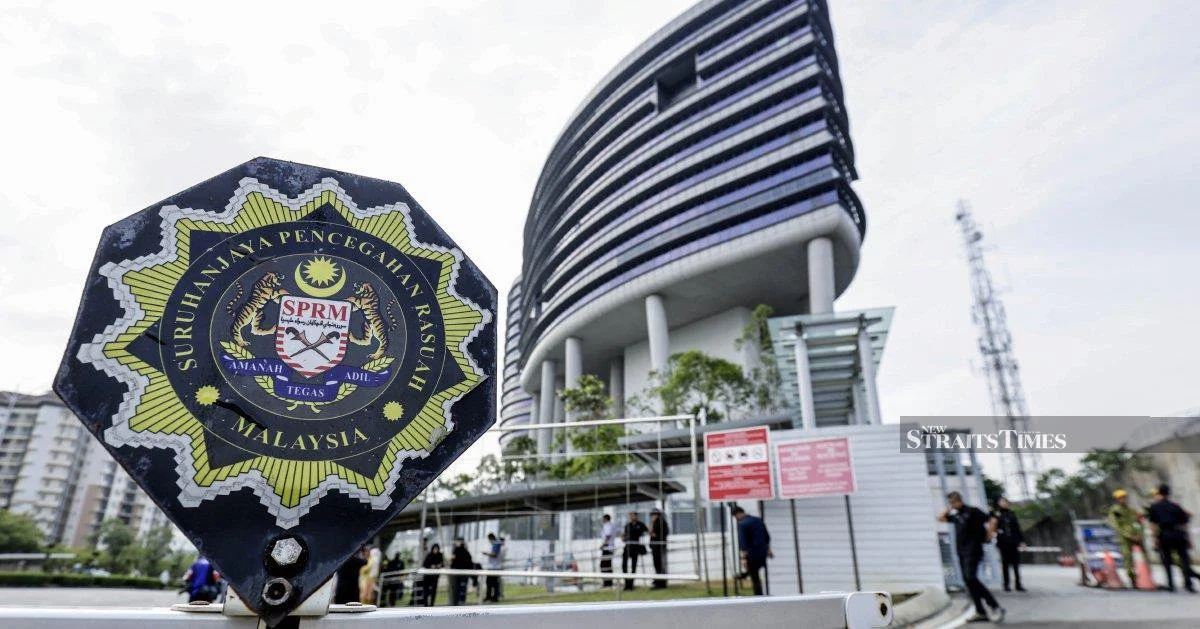
The Malaysian Anti-Corruption Commission has initiated a comprehensive examination of systemic governance and procedural shortcomings within the Daya Kerjaya 2.0 employment incentive programme, as investigators work to unravel an alleged fraud case involving claims worth RM9 million.
The decision to probe the scheme's administrative framework represents an escalation beyond simple financial irregularities into the structural vulnerabilities that may have enabled such large-scale misconduct. By scrutinizing the governance architecture rather than only pursuing individual wrongdoers, the MACC is attempting to identify root causes that permitted fraudulent submissions to progress through institutional safeguards. This approach reflects a broader enforcement philosophy aimed at addressing systemic weakness rather than treating corruption as isolated incidents.
Daya Kerjaya 2.0 operates as a critical government employment assistance initiative designed to incentivize businesses to hire workers and boost labour market participation. The programme has been positioned as a strategic tool for economic recovery and workforce development, making any integrity breach particularly damaging to public confidence in economic stimulus mechanisms. Malaysian policymakers have relied heavily on such employment subsidy schemes to cushion labour market disruptions, particularly following pandemic-related slowdowns that rippled through Southeast Asia's economies.
The alleged fraud encompassing RM9 million underscores the financial exposure facing government schemes that involve substantial claim-based reimbursements. Employment incentive programmes typically require employers to submit documentation validating hiring and wage payments before disbursement occurs. When procedural controls prove inadequate, unscrupulous participants can exploit verification gaps to lodge false claims. The magnitude of the alleged amount suggests either coordinated fraudulent activity across multiple claimants or systematic failure in a single organization's claims management.
Governance weaknesses in such schemes often manifest in several predictable ways: insufficient documentation verification protocols, weak cross-agency data matching, inadequate employer vetting during enrolment, and limited post-payment auditing. If Daya Kerjaya 2.0 exhibits these vulnerabilities, the MACC investigation will likely recommend procedural overhauls. Such findings would carry implications beyond this single scheme, as similar structural flaws could potentially compromise other government assistance programmes distributing public funds through claim-based mechanisms.
The investigation's expansion into governance examination also suggests that preliminary inquiries identified patterns implicating systemic weaknesses rather than mere clerical errors or isolated dishonesty. When anti-corruption bodies move from investigating individuals to scrutinizing institutional processes, it typically indicates preliminary evidence suggests multiple parties exploited the same vulnerabilities, or that institutional negligence facilitated fraudulent activity at scale.
For Malaysian stakeholders in human resources and business development, this investigation highlights reputational risks associated with participation in government incentive schemes. Employers utilizing Daya Kerjaya 2.0 face potential regulatory scrutiny if the scheme's administration becomes associated with fraud, potentially affecting future policy design and employer participation rates. The investigation's findings could reshape eligibility requirements, documentation standards, and compliance verification procedures for subsequent iterations.
Regionally, Malaysia's experience with governance failures in employment schemes carries relevance for other Southeast Asian nations operating similar programmes. Countries across the region deploy comparable labour market incentive mechanisms, and any systemic weaknesses identified in Daya Kerjaya 2.0 may prompt examination of comparable vulnerabilities in neighbouring jurisdictions' schemes. The MACC's methodical approach to governance assessment could establish benchmarks for anti-corruption scrutiny of employment assistance programmes throughout Southeast Asia.
The timing of this investigation coincides with heightened global focus on government spending integrity and fiscal stewardship. As nations worldwide intensify budgetary discipline and demonstrate accountability for public funds, Malaysia's visible investigation into employment scheme governance signals commitment to transparency. However, revelations of RM9 million in fraudulent claims inevitably invite questions about institutional controls that had permitted such activity to advance undetected.
Moving forward, the MACC's examination will likely produce recommendations affecting programme administration. These may include enhanced digital verification systems, mandatory cross-referencing with tax authority records, improved employer authentication protocols, and more rigorous post-payment audits. Implementation of such recommendations would represent both acknowledgment of prior failures and commitment to strengthening procedural integrity within future iterations of the scheme.
The investigation's broader implications extend to public confidence in government assistance programmes generally. Citizens and businesses require assurance that public funds distributed through employment incentives reach intended beneficiaries rather than fraudulent claimants. By transparently investigating governance weaknesses and pursuing both administrative reforms and individual accountability, the MACC attempts to restore such confidence. The investigation's eventual findings and recommended reforms will shape how Malaysia designs and administers employment assistance schemes for years forward.