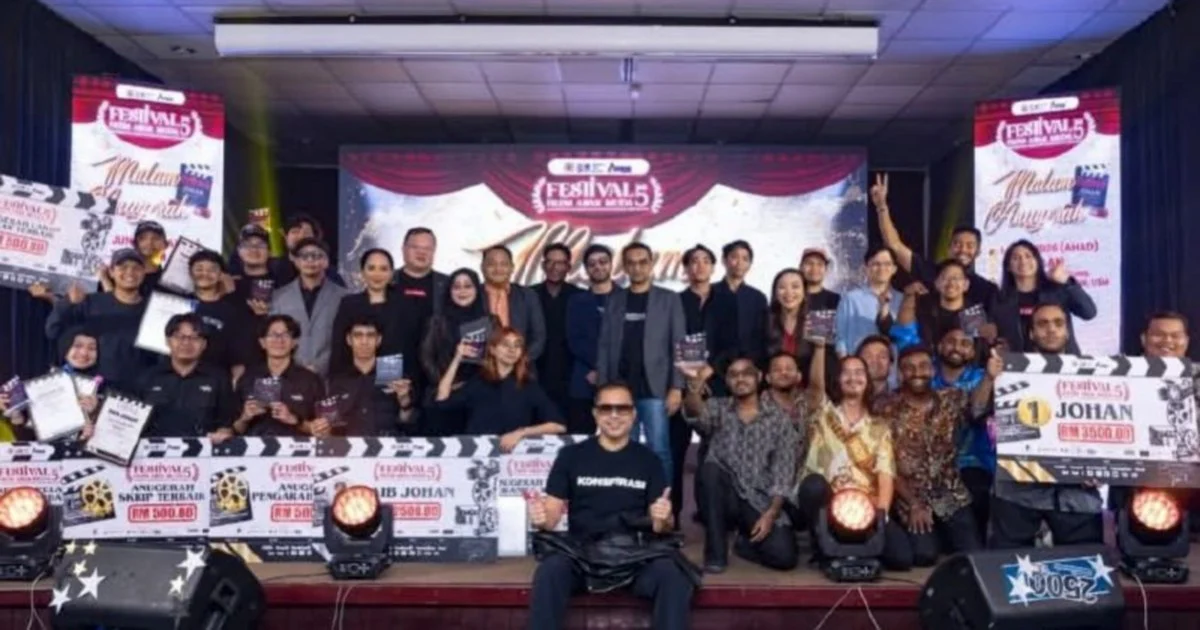
The Malaysian Anti-Corruption Commission has chosen an unconventional pathway to combat graft and instil ethical values in Malaysia's younger demographic, recognising that traditional lectures and seminars often fail to resonate with digital-native audiences. Through a structured partnership centred on the 5th Youth Film Festival at Universiti Sains Malaysia in Penang, the MACC is positioning creative storytelling and cinematic expression as powerful instruments for fostering a culture of integrity across university campuses.
This collaborative initiative reflects a broader shift in how government agencies approach public messaging. Rather than relying solely on compliance training and enforcement mechanisms, the MACC has identified that young people are more likely to absorb and retain values when they encounter them through narratives and artistic mediums they find engaging. The festival provides a natural gathering ground where thousands of students congregate around a shared passion for filmmaking, creating an ideal environment for conversations about ethics, transparency, and accountability to unfold organically.
The inclusion of anti-corruption themes within a youth-oriented film festival carries strategic advantages that extend beyond the immediate event. When young filmmakers incorporate stories about corruption, whistleblowing, or institutional accountability into their work, they become ambassadors of integrity messaging to their peers. Their films, created by contemporaries and reflecting concerns relevant to their generation, possess an authenticity and credibility that top-down pronouncements from government bodies cannot match. This peer-to-peer influence mechanism is particularly potent within university environments where student culture heavily influences behavioural norms.
The partnership also signals the MACC's recognition that corruption prevention must begin early in citizens' professional lives. University graduates entering the civil service, corporate sector, or public institutions carry with them the values and ethical frameworks they developed during their tertiary education. By embedding integrity messaging into campus cultural events, the commission is effectively seeding anti-corruption consciousness among individuals who will soon occupy decision-making positions across Malaysian institutions. The timing and setting of this intervention make it strategically significant for long-term institutional culture change.
Universiti Sains Malaysia's role as host institution carries additional weight. As one of Malaysia's leading research universities with a strong reputation for academic independence and intellectual rigour, USM's participation lends credibility to the MACC's efforts and signals that anti-corruption work is not merely a regulatory function but an integral component of university life and values. This positioning helps normalise conversations about ethics and integrity within higher education environments, where they should form the foundation of professional development.
The festival format itself offers unique advantages for advocacy work. Rather than forcing audiences into passive reception of messages, film festivals create space for dialogue, debate, and critical engagement with complex themes. Screenings can be followed by panel discussions where MACC officials, filmmakers, academics, and student leaders explore practical questions: How do young professionals navigate ethical dilemmas in the workplace? What systemic factors enable corruption, and where do individual integrity choices matter most? What role should whistleblowers play in institutional accountability? These conversations, emerging from student-created films, carry far greater transformative potential than standardised anti-corruption training.
The initiative also addresses a persistent challenge in Malaysia's anti-corruption landscape: the perception that graft is endemic to institutions and that individual ethical choices are ultimately meaningless. By showcasing stories where young people take principled stands, refuse to participate in corrupt practices, or successfully expose wrongdoing, the festival can help shift this demoralising narrative. When students see their peers through film imagining alternatives and acting with integrity despite institutional pressures, it cultivates belief in the possibility of cultural change and the relevance of individual agency.
Regionally, Malaysia's approach offers a model for other Southeast Asian nations grappling with corruption challenges. Most nations in the region face similar struggles with institutional graft and youth disengagement from governance issues. The MACC's strategy of embedding anti-corruption messaging within popular cultural forms and youth-led platforms demonstrates that effective governance communication need not rely on formal bureaucratic channels. This approach could be adapted by anti-corruption agencies across ASEAN to reach younger populations more effectively.
However, the success of this initiative will ultimately depend on how systematically and authentically the MACC integrates anti-corruption themes into the festival experience. If messaging feels imposed or superficial, if the MACC merely uses the festival as a backdrop for conventional promotional material, the effort risks alienating the very audience it seeks to reach. Authenticity requires genuine engagement with young people's perspectives, willingness to address uncomfortable questions about institutional failures, and acceptance that filmmaking will sometimes critique government bodies themselves. The MACC's openness to this critical engagement will determine whether the festival becomes a genuine platform for integrity culture-building or merely another top-down communication exercise.