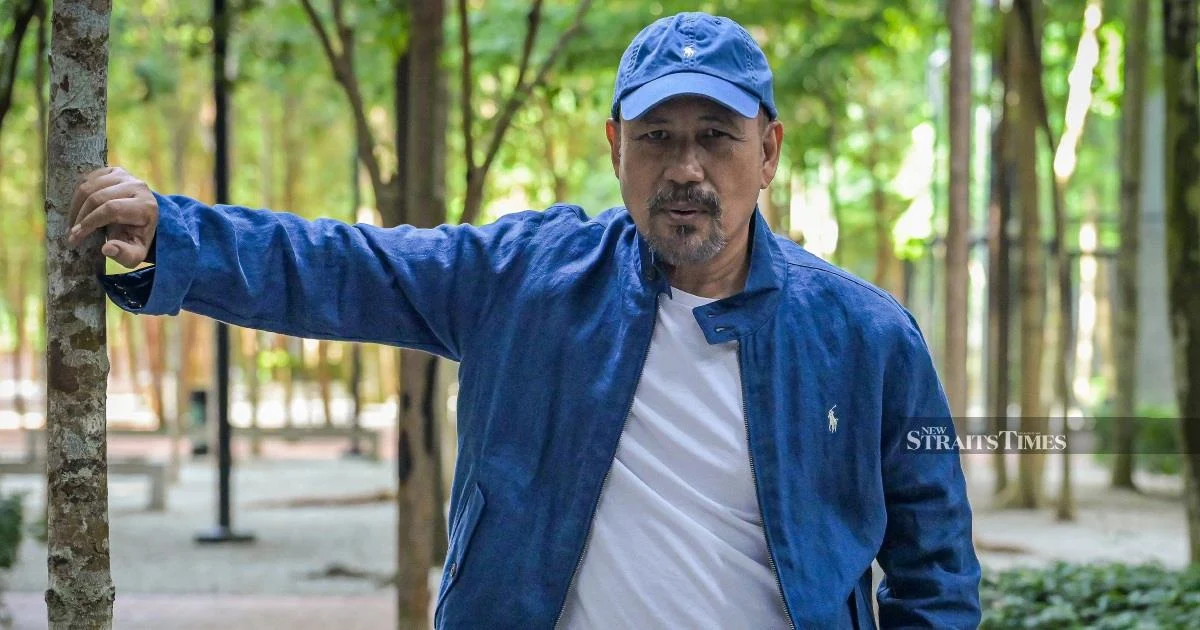
Datuk M. Nasir, the legendary Malaysian music composer and performer whose contributions to the nation's cultural landscape have spanned decades, is engaged in a significant legal dispute with ride-hailing and delivery services operator MyTeksi Sdn Bhd, the local entity of Southeast Asian tech giant Grab. The crux of the matter centres on the alleged unauthorised application of the musician's name and brand identity in connection with the promotion and marketing of a beverage product, leading him to seek compensation of RM5 million through legal channels.
Speaking from his base in Petaling Jaya, the storied artiste has remained measured in his public comments about the ongoing litigation, choosing not to divulge extensive details that might compromise his legal position or negotiations. Nevertheless, M. Nasir has been emphatic about the foundational principle driving his action: the protection of his personal and intellectual property rights. His decision to pursue the matter through formal legal proceedings reflects a broader concern among established public figures and creative professionals in Malaysia regarding the unauthorised commercial exploitation of their identities and reputations.
The case highlights a growing tension in Malaysia's digital economy, where technology companies and their associated business ventures sometimes operate in grey areas regarding celebrity endorsement and brand association protocols. The beverage sector itself has become increasingly competitive, with numerous brands vying for market share through partnerships and endorsements. The allegation that MyTeksi facilitated the use of M. Nasir's name without consent raises important questions about due diligence procedures within corporate structures and the chain of responsibility when subsidiaries or affiliated entities make marketing decisions.
M. Nasir's insistence on characterising this as a matter of moral right underscores a philosophical position that extends beyond mere financial compensation. In Malaysian cultural discourse, the concept of moral right carries particular weight, especially for artists and creatives whose work has been foundational to the nation's identity. For someone of M. Nasir's stature—having composed and performed music that defines generations—any unauthorised use of his name in commercial contexts represents not just a breach of contract or intellectual property law, but an affront to his legacy and artistic integrity.
The RM5 million figure, while substantial, must be contextualised within the broader implications of the case. Beyond the immediate monetary claim, M. Nasir's legal action serves as a warning to other entities about the necessity of proper clearances and agreements before leveraging a public figure's identity. In an era where brand partnerships and celebrity collaborations fuel marketing campaigns across the region, establishing clear precedent about consent and compensation becomes increasingly important for protecting high-profile individuals from opportunistic commercial ventures.
MyTeksi's operations in Malaysia, which include the Grab app and associated services, represent significant commercial infrastructure touching millions of users daily. The company's expansion into various service verticals, including food and beverage delivery through GrabFood, creates multiple touchpoints where brand partnerships and product endorsements become relevant. The alleged beverage promotion appears to fall within this ecosystem, raising questions about how thoroughly companies vet their marketing partnerships and whether adequate consent mechanisms were in place.
For the Malaysian entertainment and music industry more broadly, this case carries implications that extend well beyond the specific dispute. Many local musicians, actors, and public figures have found themselves navigating an increasingly complex landscape where their names and likenesses can be exploited through various digital and commercial channels with minimal oversight. The lawsuit effectively positions M. Nasir as advocating for stronger protections and clearer boundaries around celebrity identity usage in commercial contexts.
The legal proceeding also reflects the evolving nature of celebrity rights in Malaysia, where entertainment law and intellectual property protection continue to develop. Unlike established frameworks in some Western jurisdictions, Malaysia's legal infrastructure around personality rights and unauthorised commercial use remains an area where judicial precedent continues to accumulate. A judgment in M. Nasir's favour could potentially establish important benchmarks for similar cases involving other public figures.
Within the context of Southeast Asia's rapidly expanding digital economy, the M. Nasir case demonstrates that even tech-forward companies operating in multiple markets must maintain rigorous compliance with local laws and cultural norms regarding commercial appropriation of identity. Grab's regional operations span multiple countries with varying legal standards, making centralised governance of brand partnerships essential to avoid such disputes.
The timing of the lawsuit also coincides with broader conversations within Malaysia's creative industries about fair compensation, proper attribution, and the protection of artistic and intellectual capital. As digital platforms increasingly mediate commerce and communications, questions about who owns and controls the commercial value of celebrity identity have become simultaneously more complex and more urgent.
Looking forward, the case will likely influence how Malaysian companies—particularly those operating in the technology and consumer goods sectors—approach celebrity-linked marketing initiatives. More substantively, it underscores the principle that in Malaysia, as elsewhere, commercial exploitation of a public figure's identity without explicit consent carries genuine legal jeopardy, and that moral rights remain a meaningful concept within the nation's legal framework, particularly when applied to cultural icons whose contributions have shaped the national consciousness.
%22%2F%3E%3C%2Fpattern%3E%3C%2Fdefs%3E%3Crect%20width%3D%22100%25%22%20height%3D%22100%25%22%20fill%3D%22url(%23ph523ndg)%22%2F%3E%3Crect%20width%3D%22100%25%22%20height%3D%22100%25%22%20fill%3D%22url(%23ph523ndp)%22%2F%3E%3Ctext%20x%3D%2250%25%22%20y%3D%2250%25%22%20text-anchor%3D%22middle%22%20dominant-baseline%3D%22central%22%20fill%3D%22rgba(255%2C255%2C255%2C0.95)%22%20font-family%3D%22Georgia%2C%20'Times%20New%20Roman'%2C%20serif%22%20font-weight%3D%22700%22%20font-size%3D%22272%22%20letter-spacing%3D%22-0.02em%22%3EAnwar%3C%2Ftext%3E%3C%2Fsvg%3E)