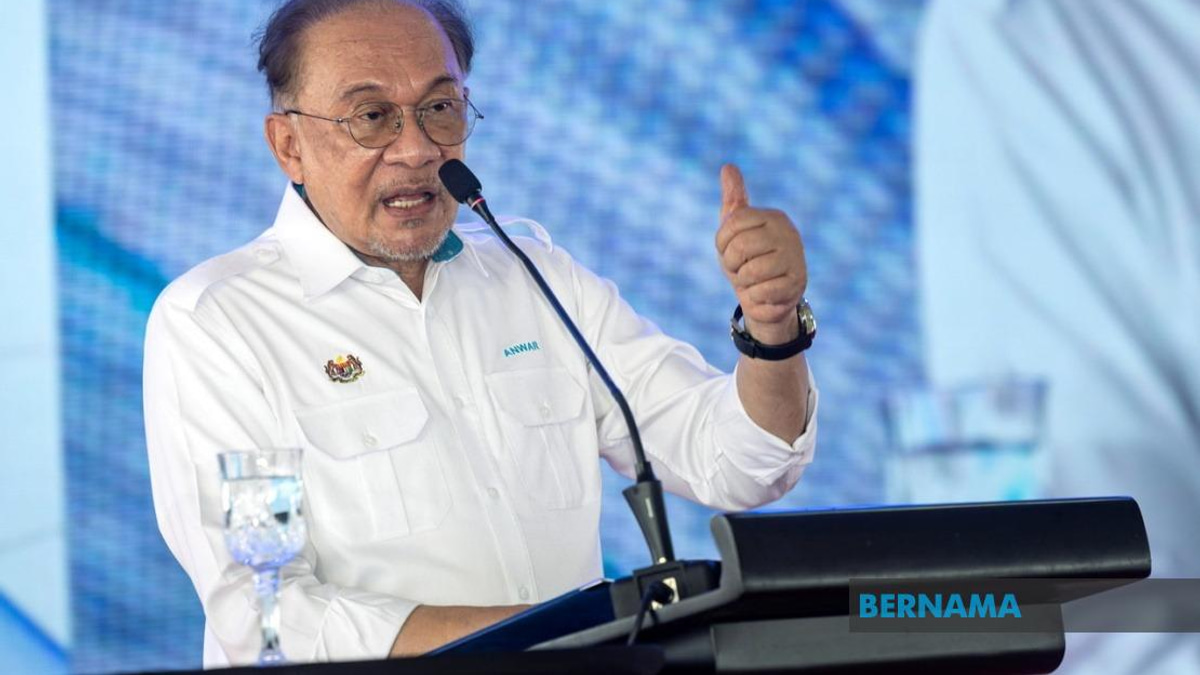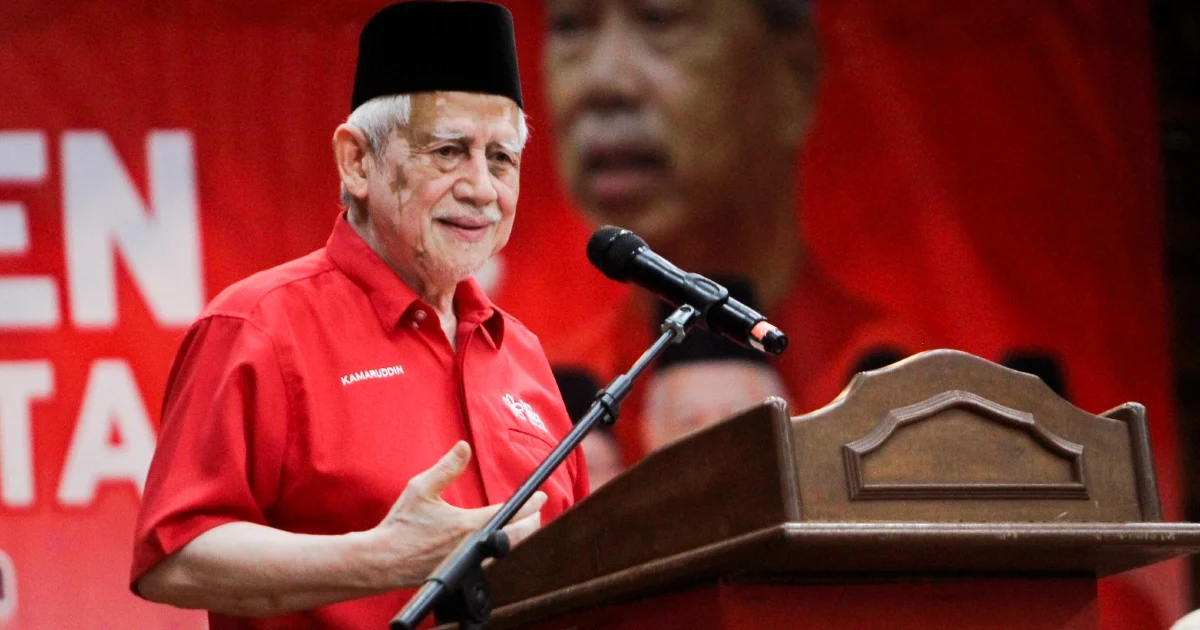
Kelantan's Bersatu wing displayed a composed response to Perikatan Nasional's overnight announcement removing Datuk Seri Mohamed Azmin Ali and Datuk Dr Mohd Radzi Md Jidin from the coalition's leadership roster. The move, which unfolded during what appears to be a significant restructuring of the opposition alliance, did not provoke alarm among local party machinery in the country's northeast corner.
The decision to excise both figures from PN's upper echelon marks a notable recalibration of the coalition's political architecture. Azmin Ali, a seasoned parliamentarian with a substantial following across multiple constituencies, and Mohd Radzi, who brings technical expertise and administrative experience, represented distinct power bases within PN's broader framework. Their removal signals either an internal consolidation effort or preparation for electoral repositioning ahead of potential contests.
For Kelantan Bersatu specifically, the news carried minimal destabilising effect. The state chapter has cultivated relative autonomy within the coalition's structure, managing its own electoral calculations and grassroots networks independently of federal-level fluctuations. This insulation allows local leaders to pursue state-focused agendas without depending heavily on personalities occupying the highest echelons of PN's national hierarchy.
The timing of the announcement—released during nighttime hours—suggests the coalition sought to manage narrative control around what could be perceived as controversial personnel adjustments. Such decisions in Malaysian politics often carry factional implications, with removals potentially benefiting rivals or consolidating authority within particular power blocs. PN's execution of this maneuver through after-hours communication indicates awareness of potential friction points that required careful handling.
Bersatu's position within Perikatan Nasional itself warrants examination. As the coalition's largest single component, the party faces constant tension between maintaining umbrella unity and protecting its distinct interests. Kelantan represents significant real estate for Bersatu, providing both parliamentary seats and state government control—assets that grant the state chapter considerable leverage in internal negotiations.
The absence of visible disturbance from Kelantan Bersatu suggests either implicit consultation occurred before the announcement or local leaders maintain confidence in their party's institutional position despite leadership reshuffles at higher levels. Such stability can indicate sophisticated management of factional interests, where top-level changes proceed without disrupting lower-tier operations because mutual understanding exists about resource allocation and power distribution.
Mohd Radzi's removal holds particular significance given his previous standing as Perikatan Nasional's second-ranking figure. That someone occupying such prominence can be displaced demonstrates either accelerating internal flux within the coalition or the ascendancy of particular factions over others. For Kelantan's political calculations, such developments at the national stage primarily matter insofar as they affect resource flows and campaign support during electoral cycles.
Azmin Ali's exclusion raises parallel considerations. His extensive parliamentary experience and cross-state networks mean his movements typically generate reverberations across multiple constituencies. However, his removal from PN's formal leadership structure does not automatically diminish his parliamentary influence, suggesting a potential distinction between titular positions and actual political capital within the coalition's functioning.
For Malaysian observers tracking coalition stability, these personnel shifts occur amid broader questions about opposition unity and electoral viability. Perikatan Nasional's reconfiguration may reflect efforts to strengthen coherence ahead of anticipated electoral challenges or simply routine leadership refreshes intended to revitalise coalition messaging and direction. The specifics of why these individuals were selected for exclusion remain subject to interpretation without accompanying official statements detailing reasoning.
Kelantan's serenity regarding these developments reflects the state's established role as PN's stronghold. With secure state government control and dominant parliamentary representation within the state, Kelantan Bersatu possesses sufficient institutional weight to weather national-level reorganisations without existential threat. This standing contrasts sharply with Bersatu components in other states where coalitional strength remains fragile and dependent on federal-level momentum.
The incident illustrates how Malaysian coalition politics operate across multiple simultaneous dimensions: national leadership dynamics proceed according to their own logic while state-level organisations maintain parallel structures responding to localized political economies. Kelantan's untroubled reception of PN's announcement reflects this compartmentalization, where state chapters can absorb national-level changes without disruption when institutional position remains fundamentally secure.
Looking forward, Perikatan Nasional's restructured leadership faces the practical challenge of maintaining coalition coherence while managing the political aspirations of various component parties and factions. How Azmin Ali and Mohd Radzi respond to their exclusion—whether through graceful acceptance or escalating internal pressure—may significantly influence coalition stability in coming months, particularly as electoral timelines crystallise and parties manoeuvre for advantageous positioning.

%22%2F%3E%3C%2Fpattern%3E%3C%2Fdefs%3E%3Crect%20width%3D%22100%25%22%20height%3D%22100%25%22%20fill%3D%22url(%23ph523ndg)%22%2F%3E%3Crect%20width%3D%22100%25%22%20height%3D%22100%25%22%20fill%3D%22url(%23ph523ndp)%22%2F%3E%3Ctext%20x%3D%2250%25%22%20y%3D%2250%25%22%20text-anchor%3D%22middle%22%20dominant-baseline%3D%22central%22%20fill%3D%22rgba(255%2C255%2C255%2C0.95)%22%20font-family%3D%22Georgia%2C%20'Times%20New%20Roman'%2C%20serif%22%20font-weight%3D%22700%22%20font-size%3D%22272%22%20letter-spacing%3D%22-0.02em%22%3EAnwar%3C%2Ftext%3E%3C%2Fsvg%3E)