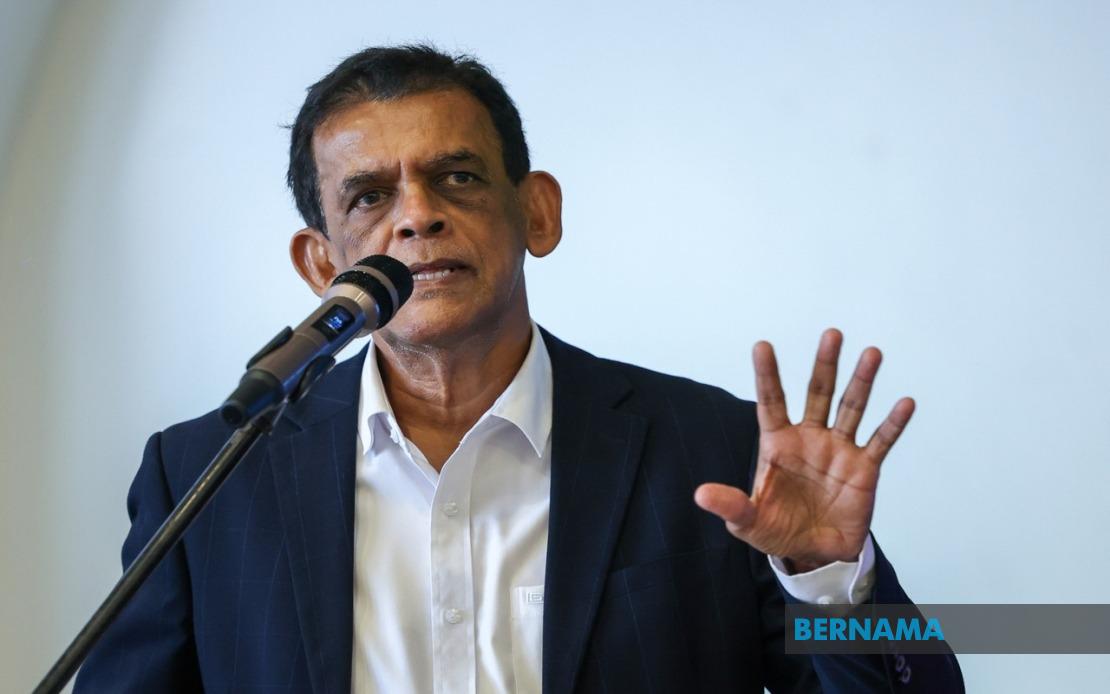
The Malaysian Artistes' Association (Karyawan) is preparing to submit a formal memorandum to the Prime Minister containing industry reform proposals following its Music Practitioners Convention scheduled for June 21 at Saloma Restaurant in Kuala Lumpur. The initiative signals mounting pressure on policymakers to address systemic issues that have plagued the local music sector for decades, with Karyawan president Datuk Freddie Fernandez indicating the proposed reforms will draw from extensive discussions among more than 200 music professionals expected to participate in the one-day gathering.
Fernandez articulated a sobering assessment of Malaysia's music landscape during a press conference announcing the convention, expressing concern about the troubling trajectory the industry has followed over the past two decades. His comments reflect broader frustrations within the creative community about stagnation and misalignment between creative output and sustainable career development. The convention represents an attempt to create structured dialogue among stakeholders—from independent artists and record producers to academics and industry executives—to identify concrete pathways toward rejuvenation of a sector that has struggled to modernise and properly support its workforce.
The memorandum, anticipated to be completed approximately one week after the convention concludes, will address multiple interconnected challenges facing music practitioners. These encompass industry structural development, the integration of artificial intelligence technologies into creative processes, equitable royalty distribution mechanisms, direct financial and infrastructural support for artistes, formal music education standards, and clearly defined career trajectories within the professional music ecosystem. Each topic reflects years of accumulated grievances within the community, suggesting that the convention is not exploratory but remedial in nature.
Royalty distribution emerges as perhaps the most contentious and quantifiable issue Karyawan intends to highlight. Fernandez presented striking financial data revealing a massive disparity between industry revenues and artist compensation. Records examined from 2002 through 2017 demonstrate that record companies collected nearly RM700 million in total, yet only approximately RM20 million reached artistes' bodies during the same period. This roughly 35-to-1 ratio illustrates a structural dysfunction where the economic benefits of creative labour accrue overwhelmingly to intermediaries rather than creators themselves—a pattern that directly discourages young musicians from pursuing professional careers in the industry.
The artificial intelligence discussion component of the convention underscores how rapidly technological disruption is reshaping creative industries globally, with Malaysia seeking to chart a responsible course. Fernandez emphasised that guidelines governing AI usage must strike a careful balance, protecting musicians' intellectual property and earning potential while allowing the industry to embrace technological innovation. This reflects international tensions already emerging in major music markets, where questions about AI-generated music, voice synthesis, and algorithmic composition have sparked intense debate among creators, technologists, and policymakers about ownership, attribution, and compensation.
Education and career pathway development feature prominently in Karyawan's reform agenda, highlighting a systemic failure to nurture talent systematically. The association contends that the industry currently lacks organised mechanisms for identifying, training, and transitioning young musicians into viable professional careers. This contrasts sharply with more mature music industries in neighbouring Singapore and Thailand, where industry bodies provide clearer information about opportunities, skill requirements, and advancement routes. Without such infrastructure, Malaysian talent either migrates internationally or abandons music careers for more predictable livelihoods.
The convention programme itself will showcase experienced practitioners and academic perspectives through panel discussions featuring music activist Joe Lee, composer Dr Moja Salim, and Para Rajagopal, managing director of Live Nation. This mix of advocacy, creative expertise, and commercial music infrastructure expertise suggests the dialogue will encompass both philosophical questions about the industry's identity and practical commercial considerations. The choice of panellists indicates deliberate effort to ensure discussions avoid narrow artist grievance airing and instead engage constructively with business realities and technological trajectories.
Fernandez's mention of potential legislative and regulatory reforms hints at the possibility that Karyawan may recommend government intervention beyond policy guidance. Such recommendations could range from regulatory frameworks governing royalty collection and distribution to tax incentives encouraging live performance and recording investment, or mandated institutional support structures. These measures would represent significant shifts from the relatively hands-off approach Malaysian governments have historically adopted toward entertainment industry regulation.
For Malaysian music practitioners, the convention and subsequent memorandum represent a critical juncture where accumulated frustrations finally receive formal articulation within official channels. The outcome will signal whether long-standing industry concerns achieve genuine policy traction or whether the memorandum becomes another archived document in a lengthy history of unimplemented creative sector recommendations. Given the breadth of issues addressed and the apparent seriousness with which Karyawan is approaching the exercise, industry observers will scrutinise both the reception the Prime Minister's office accords these proposals and the specific policy responses that follow in subsequent months.