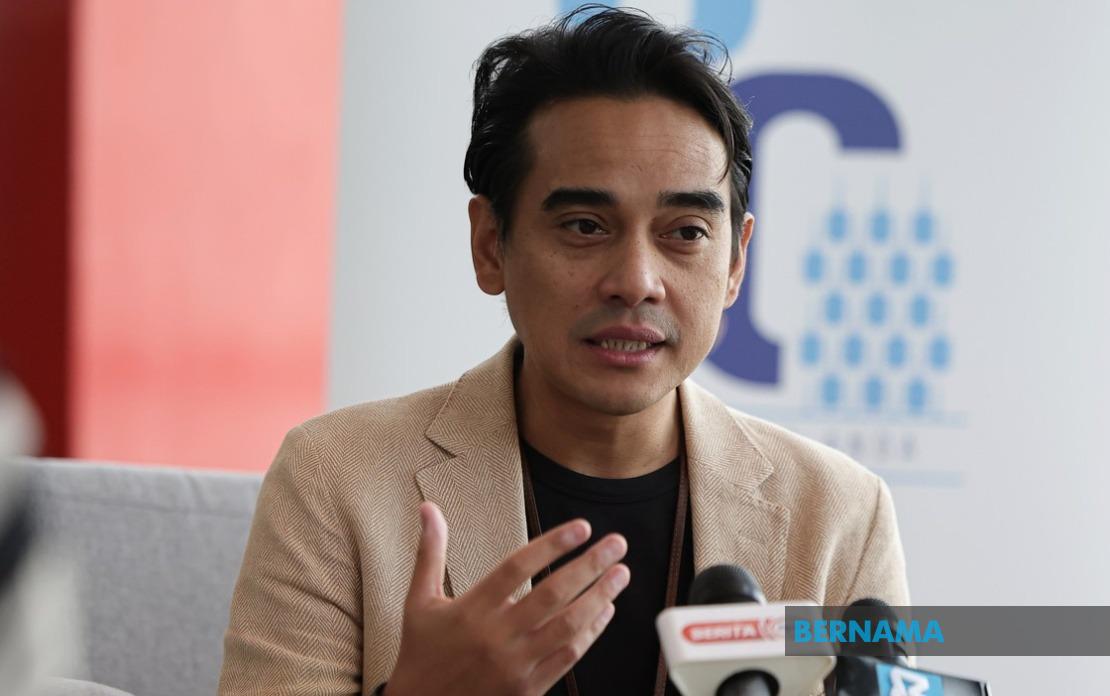
The media industry faces a pivotal moment as artificial intelligence reshapes how news is gathered, processed, and delivered to audiences. Malaysia's Director-General of Broadcasting Ashwad Ismail has sounded a clarion call for journalists to confront this technological transition head-on, arguing that those who fail to develop proficiency with AI tools risk obsolescence in an increasingly competitive landscape. Speaking during a broadcast on Bernama TV's The Nation programme in Kuala Lumpur on June 17, Ismail articulated a vision of technological integration that transcends the binary choice between acceptance and resistance that has characterized much of the industry's discourse around automation.
Ismail's message reframes the relationship between journalists and artificial intelligence in practical rather than existential terms. Rather than positioning AI as an invading force that will systematically eliminate reporting positions, he emphasizes that competitive displacement will result from individual practitioners' choices about whether to develop relevant skills. This distinction matters considerably in a Southeast Asian context where media employment remains a significant source of professional opportunity and where concerns about technological unemployment resonate across multiple sectors. His formulation—that a journalist will not be replaced by artificial intelligence but potentially by another journalist proficient in AI—transforms the conversation from one about technology threatening humanity into a more grounded discussion about professional development and competitive advantage.
The adoption of artificial intelligence in newsrooms requires more than simply acquiring technical knowledge, according to Ismail's perspective. Media organizations must establish operational frameworks that guide how these powerful tools are deployed without compromising the core values that journalism serves in democratic societies. Guidelines become essential scaffolding in this transition, helping newsrooms navigate the uncertainties inherent in rapidly evolving technologies while maintaining editorial integrity. Such frameworks would presumably address questions about algorithmic bias in story selection, the appropriate use of AI-generated content, verification protocols when AI assists in research, and the preservation of human judgment in editorial decision-making. Without these guardrails, even well-intentioned implementations of AI could produce systematic distortions in coverage.
Ismail identifies a fundamental tension within the media industry regarding technological adaptation. Many practitioners remain reluctant to engage deeply with emerging tools, viewing them as peripheral to core journalistic functions or harboring suspicions about their reliability and appropriateness. This reluctance, which Ismail characterizes as a concerning inability to adapt to technological change, represents a significant vulnerability for individual journalists and for media organizations seeking to compete in an attention economy increasingly shaped by algorithmic distribution and data analytics. The economic implications extend beyond individual job security; media outlets that fail to leverage AI for efficiency gains may find themselves unable to invest in the investigative journalism and original reporting that differentiate quality news organizations from aggregation services.
The human dimensions of journalism remain central to Ismail's argument about AI's proper role. Rather than suggesting that algorithms should drive editorial judgment or that automation should marginalize the reporters and editors who understand their communities, he emphasizes that artificial intelligence functions most effectively as an amplifier of human capability. This perspective aligns with emerging international best practices in media organizations that have successfully integrated AI into workflows—typically using it to automate routine data processing, assist with initial story research, manage large datasets for investigative purposes, and optimize distribution strategies while reserving editorial authority and creative judgment for experienced journalists. Such balanced approaches preserve the institutional memory and contextual understanding that experienced newsrooms accumulate.
Rebuild public trust in media institutions requires returning to fundamental journalistic practices that have sustained credibility across generations. Ismail emphasizes the critical importance of hyperlocal reporting—the granular, community-focused coverage that national media often overlooks but that directly affects citizens' daily lives and local decision-making. When journalists maintain direct engagement with the communities they cover, they build relationships that create accountability and demonstrate that news organizations serve local interests rather than distant corporate or political agendas. This ground-level journalism generates the human connections that counteract the increasing abstraction and impersonality of digital media. The emphasis on meaningful community engagement suggests that even as AI automates certain journalistic functions, the human presence of reporters in their communities becomes more valuable, not less.
The trust deficit facing many media organizations across the region reflects accumulated skepticism about editorial judgment, concerns about misinformation, and perceptions that news coverage serves particular interests rather than the public good. Addressing these concerns requires demonstrating transparency about editorial processes and decisions, acknowledging errors promptly and publicly, and ensuring that coverage reflects the genuine concerns and perspectives of audiences served. When journalists establish themselves as visible, accountable figures within their communities rather than distant voices broadcasting from institutional headquarters, they begin reconstructing the credibility that institutional media has lost in many quarters. This strategy proves particularly relevant in Southeast Asia, where personal relationships and direct accountability continue to influence trust judgments despite the region's growing digital sophistication.
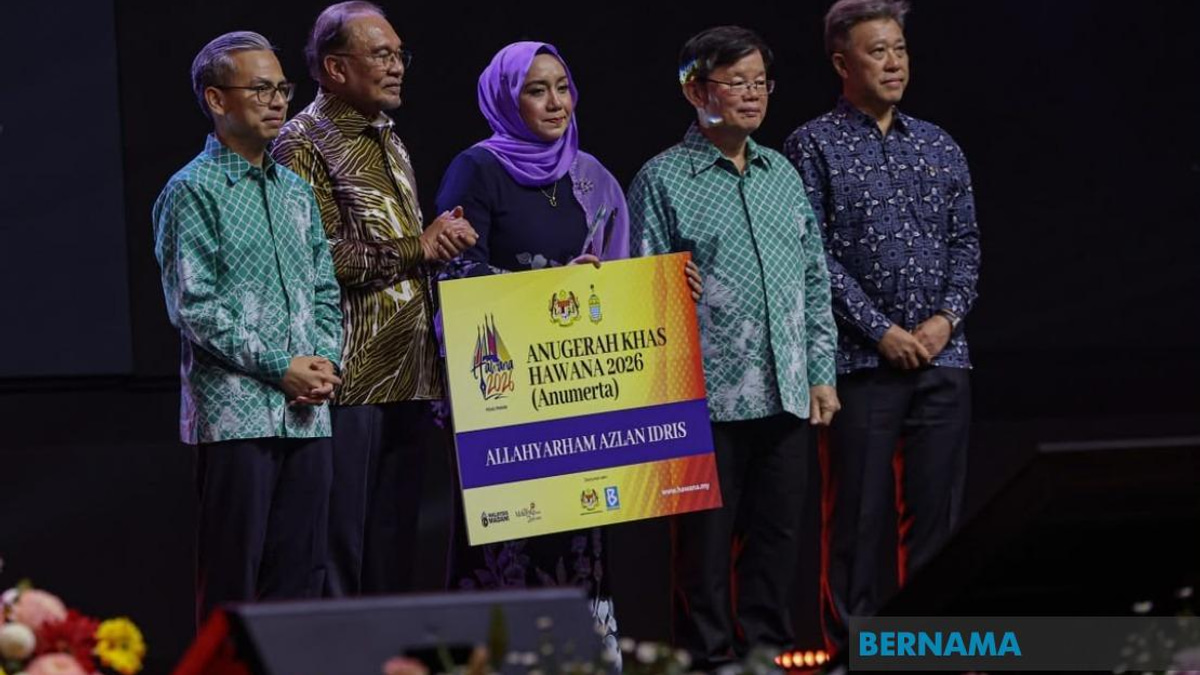
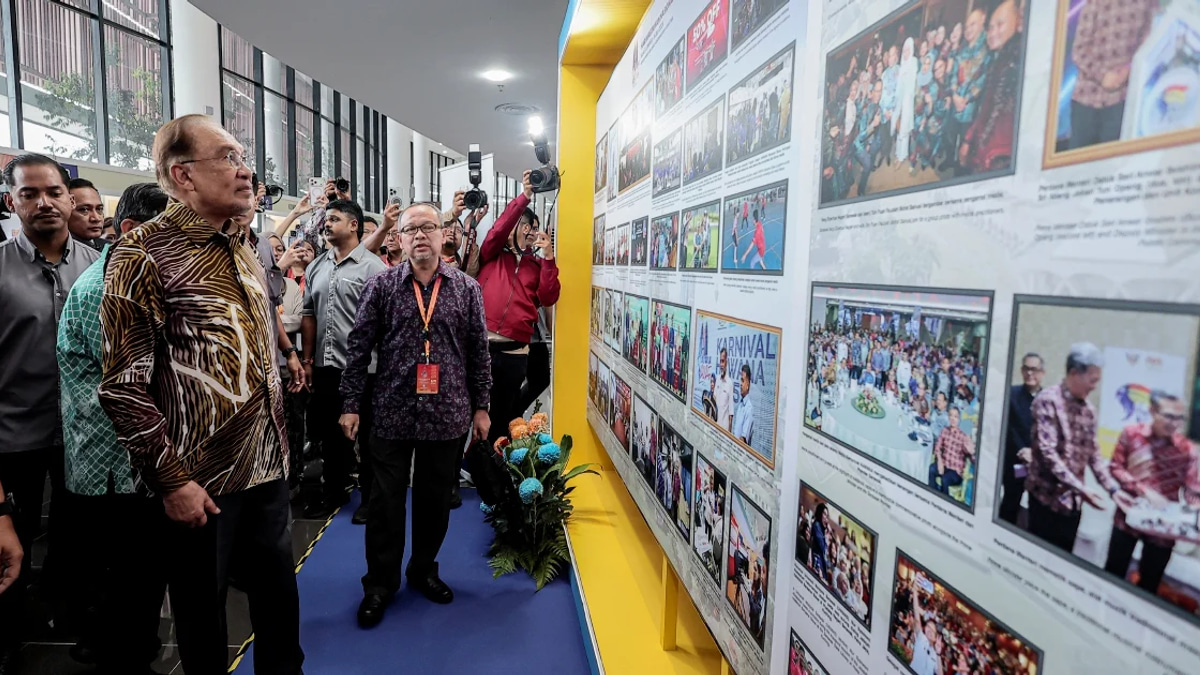
The HAWANA 2026 conference represents a significant forum for this discussion within the Malaysian and ASEAN media landscape. With Prime Minister Datuk Seri Anwar Ibrahim scheduled to officially open proceedings at PICCA Convention Centre @ Arena Butterworth in Penang on June 20, and with attendance expected to exceed 1,200 participants including media professionals and ASEAN delegates, the gathering provides a platform for establishing regional consensus about responsible AI integration in journalism. Such collective standard-setting becomes increasingly important as individual media organizations make technology decisions, as the cumulative effect of those decisions shapes the overall information ecosystem that audiences encounter. A regional approach to AI guidelines also helps prevent regulatory arbitrage, where organizations might relocate operations or adjust practices to jurisdictions with more permissive approaches.
The implications of Ismail's position extend beyond individual newsrooms into questions about media sustainability and the future structure of the journalism industry. If artificial intelligence can genuinely enhance productivity by automating routine tasks while allowing journalists to focus on original reporting and analysis, the technology could contribute to the economic viability of news organizations struggling with eroding advertising revenues and changing consumption patterns. Conversely, if organizations implement AI primarily to reduce headcount rather than to improve journalistic quality, they risk further degrading content quality in ways that accelerate audience defection. The direction media organizations choose will significantly influence whether AI becomes a tool for strengthening journalism or a mechanism for its slow strangulation through cost-cutting.