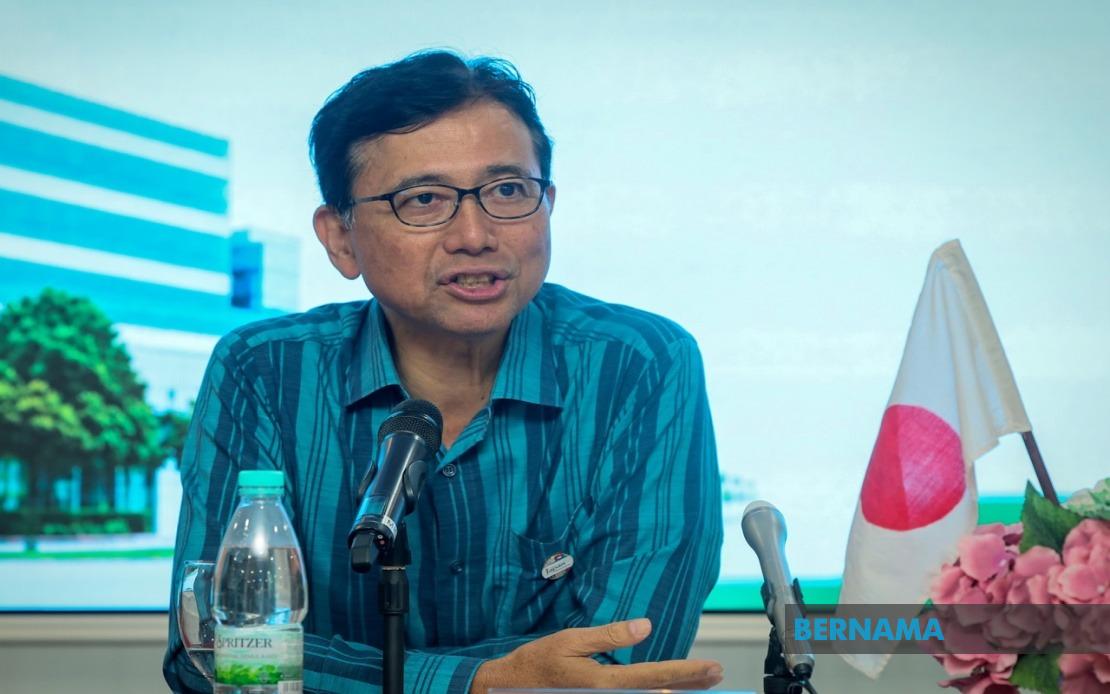
Japan's refreshed approach to regional engagement under its Free and Open Indo-Pacific (FOIP) strategy creates substantial opportunities for Malaysia to consolidate its standing as Southeast Asia's premier technology and digital innovation hub, according to Japanese Ambassador to Malaysia Noriyuki Shikata. The updated framework, unveiled by Japanese Prime Minister Sanae Takaichi in May, represents a strategic recalibration of Japan's regional vision that extends beyond traditional economic partnerships to encompass emerging technological domains where Malaysia holds significant competitive advantages.
The evolution of FOIP, initially introduced by former Prime Minister Shinzo Abe in 2016, demonstrates Japan's commitment to deepening its influence in shaping Indo-Pacific stability and prosperity. Where the original framework emphasised broader geopolitical principles, Takaichi's iteration pivots toward concrete collaboration in high-impact technology sectors including artificial intelligence, secure data infrastructure, undersea cable networks and satellite communications systems. This strategic shift reflects Japan's recognition that economic security and technological resilience have become inseparable from regional stability considerations.
Ambassador Shikata characterised the updated FOIP as a pragmatic and substantive evolution that fundamentally reorients Japan's regional engagement toward tangible outcomes in economic security and industrial resilience. Critically, this repositioning demonstrates remarkable alignment with ASEAN's own Indo-Pacific vision, articulated through the ASEAN Outlook on the Indo-Pacific (AOIP). Rather than imposing a competing strategic framework, Japan's updated approach creates complementary pathways for regional cooperation that respect ASEAN's central role and decision-making authority while advancing mutual interests in technological advancement and supply chain stability.
Financially, Japan has undergirded this strategic vision with substantial commitments. The POWERR Asia (Partnership on Wide Energy and Resource Resilience Asia) initiative provides US$10 billion in dedicated financing to support ASEAN nations in addressing critical vulnerabilities including fuel procurement, energy reserve accumulation and the security of strategic material supply chains. For Malaysia specifically, this represents a significant opportunity to strengthen its resource security positioning while simultaneously advancing its technology sector development objectives without diverting scarce government resources.
For Japan's extensive business community and expatriate population embedded throughout Malaysia's economy, the updated FOIP creates a more predictable and secure operational environment. The framework explicitly encourages Japanese enterprises to upgrade their investment strategies beyond traditional manufacturing sectors toward knowledge-intensive, high-value technology partnerships. This reorientation aligns with Malaysia's own industrial policy objectives, which increasingly prioritise attracting premium technology investments rather than pursuing labour-intensive manufacturing competition.
Japan has specifically identified Malaysia's emergence as a regional semiconductor manufacturing centre as a focal point for expanded collaboration. Japanese corporations are signalling keen interest in deepening investments across advanced semiconductor packaging, artificial intelligence infrastructure development and cloud computing ecosystems. These sectors represent precisely the high-value technological domains where Malaysia can differentiate itself competitively within Southeast Asia while building sustainable competitive advantages that command premium valuations.
The bilateral relationship between Japan and Malaysia has entered a qualitatively different phase since formalisation of the Comprehensive Strategic Partnership in December 2023. This arrangement transcends the historical Look East Policy framework, which centred primarily on manufacturing and industrial development methodologies. The CSP establishes Malaysia and Japan as innovation partners capable of co-creating solutions to shared technological challenges rather than maintaining a supplier-client dynamic. This repositioning acknowledges Malaysia's maturation as a technology participant rather than merely a manufacturing location.
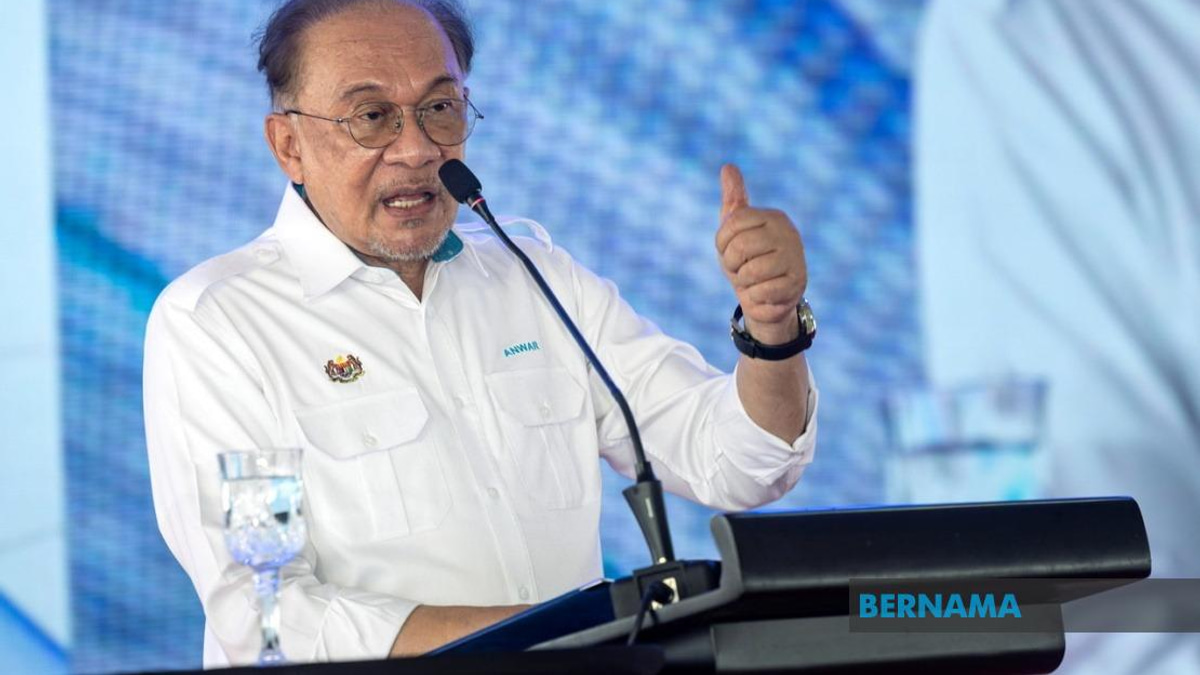
Malaysian Prime Minister Datuk Seri Anwar Ibrahim's recent engagement with Japan's industrial leadership, including meetings with executives from Mitsubishi Corporation, ENEOS, DENSO, IBM and Marubeni, demonstrated concrete commitment to advancing this partnership beyond rhetorical affirmations. These interactions established specific trajectories for Malaysia's industrial evolution, with Japanese corporate leaders communicating their strategic intentions regarding investment, technology transfer and collaborative innovation initiatives. Such high-level engagement signals that Malaysia's technological ambitions now command attention from Japan's most prominent industrial actors.
Looking forward, the anticipated collaboration between Japan's established technological capabilities and Malaysia's developing innovation ecosystem presents substantial opportunities for co-development of artificial intelligence and quantum computing solutions. These emerging domains represent areas where Malaysia currently lacks incumbent advantages, making collaborative partnerships with Japanese technological leaders particularly valuable for capability acceleration. Joint initiatives extending to critical infrastructure protection and supply chain security resilience will enable both nations to navigate international strategic uncertainties with greater confidence.
Ambassador Shikata's emphasis on Japan's commitment to serving as Malaysia's most dependable and forward-looking strategic partner reflects broader regional dynamics. Japan's updated FOIP framework, underpinned by substantial financial commitments and aligned with ASEAN's regional vision, addresses Malaysia's dual imperatives: technological advancement to support long-term competitiveness and economic security to ensure stable growth. By positioning technological partnership as a cornerstone of bilateral relations, Japan acknowledges that Malaysia's future prosperity depends upon successfully transitioning toward higher-value economic activities.
For Malaysia's broader economic strategy, the convergence between Japan's refreshed regional approach and Malaysia's digital hub aspirations creates a favourable context for attracting complementary investments and building technological capabilities. The availability of Japanese financial support, technological expertise and market access provides Malaysia with resources to develop sustainable competitive advantages in sectors where regional demand continues accelerating. Successfully leveraging this partnership requires sustained commitment to technological education, regulatory modernisation and ecosystem development that facilitates seamless collaboration between Malaysian and Japanese technology enterprises.

%22%2F%3E%3C%2Fpattern%3E%3C%2Fdefs%3E%3Crect%20width%3D%22100%25%22%20height%3D%22100%25%22%20fill%3D%22url(%23ph523ndg)%22%2F%3E%3Crect%20width%3D%22100%25%22%20height%3D%22100%25%22%20fill%3D%22url(%23ph523ndp)%22%2F%3E%3Ctext%20x%3D%2250%25%22%20y%3D%2250%25%22%20text-anchor%3D%22middle%22%20dominant-baseline%3D%22central%22%20fill%3D%22rgba(255%2C255%2C255%2C0.95)%22%20font-family%3D%22Georgia%2C%20'Times%20New%20Roman'%2C%20serif%22%20font-weight%3D%22700%22%20font-size%3D%22272%22%20letter-spacing%3D%22-0.02em%22%3EAnwar%3C%2Ftext%3E%3C%2Fsvg%3E)