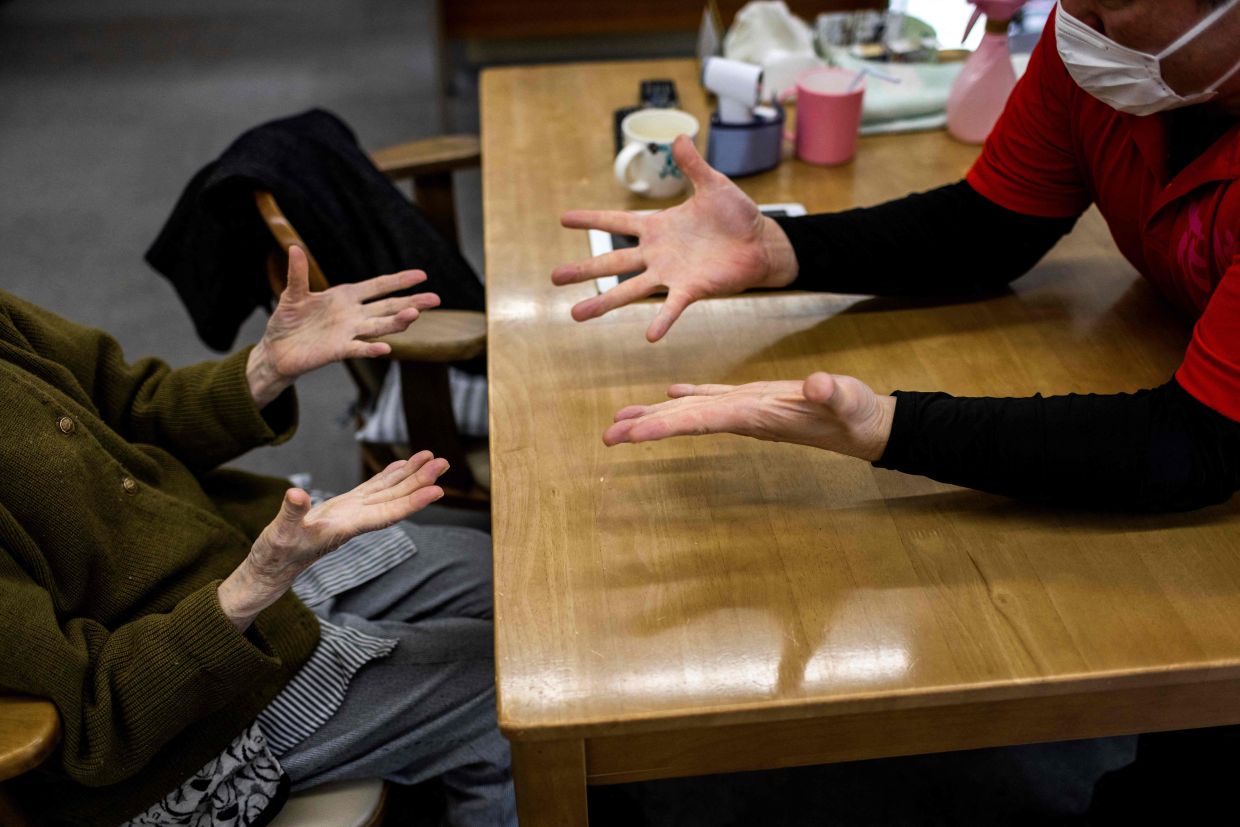
A former geriatric specialist from Osaka has ignited a firestorm of debate across Japan by proposing that amputating paralysed limbs in elderly patients could help address the nation's accelerating care worker shortage. Yo Kusakabe, now 70, articulated this extraordinary idea through his provocative 2003 novel "Haiyoshin (Useless Body)," which has only now been adapted into a film that opened last month and has generated enormous controversy nationwide. The work presents a fictional young doctor championing what the story terms "A-care (Amputation Care)" as a potential solution to an increasingly dire situation facing Japan's healthcare system.
Japan's demographic reality makes the care crisis particularly acute. The nation has the world's second-oldest population, with nearly one in three residents now aged 65 or older. The government projects a shortfall of approximately 570,000 care workers by 2040, a gap that will continue widening as the elderly population expands. This shortage has already created dangerous conditions across the country, where families and underpaid institutional staff struggle with physically demanding tasks. The statistical severity of the problem is underscored by a troubling phenomenon: murders committed by overwhelmed caregivers have become common enough in Japan to warrant their own term, "kaigo satsujin" (caregiving murders). An investigation by NHK in 2016 revealed that such tragedies occur approximately once every two weeks, a rate that reflects the psychological and physical toll the system exerts on those providing care.
Kusakabe's proposal emerges from this deteriorating context. He argues that immobile arms and legs serve no purpose for severely disabled patients and instead create multiple practical obstacles for caregivers. These paralysed limbs become impediments during bathing, dressing, and general mobility assistance. They hang limply, complicating the physical act of lifting and transferring patients—tasks that inflict chronic back injuries and musculoskeletal damage on caregivers, disproportionately affecting women in lower-wage positions. By removing such useless appendages, Kusakabe contends that patients would become lighter and easier to manage, substantially reducing the physical strain on healthcare workers. He frames this as a consensual measure, one that would only proceed with explicit patient approval and family agreement.
Centrally, Kusakabe emphasizes that patients themselves might benefit from such a procedure. Throughout his medical career, he observed elderly patients suffering from immobile limbs that caused constant pain, unexpected convulsions, and profound frustration. In the film adaptation, amputees are portrayed as experiencing genuine relief and newfound quality of life. Freed from non-functional body parts that caused discomfort and hindered movement, these fictional patients appear more mobile and psychologically content. The film depicts them manipulating wheelchairs with greater dexterity and engaging playfully with their surroundings in ways their previous condition prevented. This framing forces viewers to confront a fundamental question about end-of-life dignity: is forcing someone to endure the pain and indignity of non-functional limbs truly respectful, or does genuine dignity sometimes involve accepting amputation if it alleviates suffering and improves quality of life?
The novel itself, published over two decades ago, was considered shocking and unmarketable when it first appeared. Industry professionals deemed it unfilmable due to its graphic portrayal of systemic neglect, family desperation, and institutional failure within Japan's care sector. The film adaptation has shattered that assessment, generating widespread attention and sparking polarized reactions. Online reviewers have employed language ranging from "shocking" and "most controversial film of the year" to "terrifying madness." Yet some critiques have been more philosophically nuanced. One film reviewer noted on the cinema information website eiga.com that while amputation might seem ruthless and unethical on surface examination, the narrative logic actually contained merit worthy of serious consideration. This mixed reception reflects genuine intellectual tension surrounding the proposal's implications.
However, Kusakabe himself acknowledges that Japan's cultural approach to end-of-life care makes his proposal deeply unsuitable for implementation in the country. Japanese medical practice and insurance coverage heavily subsidize feeding tubes and intravenous nutritional support for patients aged 75 and older, often perpetuating prolonged existence in vegetative or near-vegetative states. Families frequently insist on such interventions because they emotionally cannot accept "doing nothing" for dying relatives, even when evidence suggests such measures cause unnecessary suffering. This contrasts sharply with Scandinavian best practices, particularly in Sweden and Denmark, where palliative care philosophy permits allowing patients to pass naturally if they cease eating, prioritizing comfort over biological persistence. Kusakabe argues that Japan's cultural insistence on keeping patients alive at any cost, combined with widespread ignorance about what such treatment actually entails for the patient's experience, creates systematic suffering that extends far beyond the patient to devastate caregivers.
The doctor's critique extends to broader cultural rationality about care. He suggests that Japan "blindly believes" that maintaining life, regardless of quality or consent, represents an absolute moral imperative. This cultural framework prevents the kind of bold, rational reconsideration of care practices that might actually reduce human suffering. Unlike Scandinavian societies that have embraced difficult conversations about appropriate endpoints to medical intervention, Japan maintains ideological resistance to such pragmatism. Kusakabe suggests this cultural barrier means that however logically justified amputation care might be in addressing caregiver burden and improving patient comfort, Japanese society is fundamentally unprepared to implement it. The cultural unwillingness to make rational trade-offs between prolonging life and reducing suffering represents, in his analysis, a deeper problem underlying the care crisis.
Notably, the film itself does not endorse amputation as a permanent solution. Instead, "Haiyoshin" introduces a devastating tragedy that undermines the protagonist's confidence in the procedure's efficacy. This narrative turn suggests that even within Kusakabe's fictional exploration, the proposal contains limitations and unintended consequences that resist simple implementation. The story's tragedy serves as a cautionary counterweight to the initially compelling logic of amputation care, preventing the film from functioning as straightforward advocacy for the practice. Rather, it operates as a thought experiment that forces audiences to grapple with uncomfortable questions about care obligations, patient autonomy, and institutional responsibility without offering easy answers.
For Malaysia and Southeast Asia, Kusakabe's provocative proposal and Japan's care crisis carry significant implications. Regional nations face similar demographic aging pressures, though most have not yet reached Japan's severity. Singapore, for instance, already has one of Asia's oldest populations and has begun implementing sophisticated long-term care planning. Thailand and Vietnam, meanwhile, are experiencing rapid aging that will create comparable resource shortages within decades. The Japanese experience offers a cautionary model of how inadequate preparation and cultural resistance to difficult conversations about end-of-life care can create systemic crises. Policymakers across Southeast Asia would benefit from studying not only Japan's numerical shortage of care workers but also the broader institutional and cultural frameworks that prevent rational responses to demographic change. The success or failure of nations to address care crises proactively will likely determine whether future elderly populations experience dignity or desperation in their final years.

%22%2F%3E%3C%2Fpattern%3E%3C%2Fdefs%3E%3Crect%20width%3D%22100%25%22%20height%3D%22100%25%22%20fill%3D%22url(%23ph523ndg)%22%2F%3E%3Crect%20width%3D%22100%25%22%20height%3D%22100%25%22%20fill%3D%22url(%23ph523ndp)%22%2F%3E%3Ctext%20x%3D%2250%25%22%20y%3D%2250%25%22%20text-anchor%3D%22middle%22%20dominant-baseline%3D%22central%22%20fill%3D%22rgba(255%2C255%2C255%2C0.95)%22%20font-family%3D%22Georgia%2C%20'Times%20New%20Roman'%2C%20serif%22%20font-weight%3D%22700%22%20font-size%3D%22272%22%20letter-spacing%3D%22-0.02em%22%3EAnwar%3C%2Ftext%3E%3C%2Fsvg%3E)