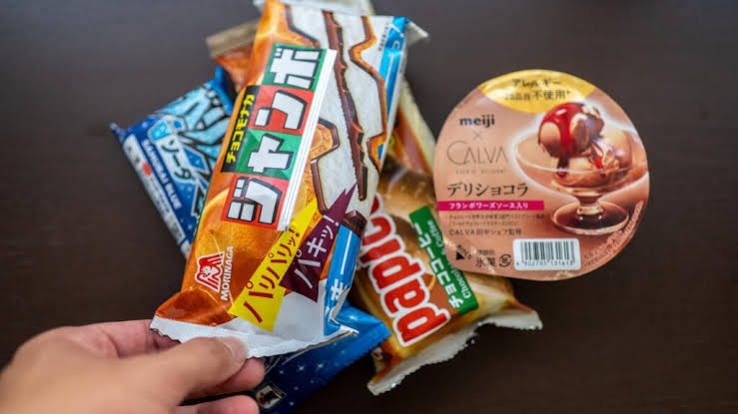
Japan's antitrust regulator has launched a significant crackdown on the country's ice cream industry, conducting raids on six leading manufacturers on suspicion of operating a price-fixing cartel. The Japan Fair Trade Commission (JFTC) descended on the head offices of Meiji Co., Morinaga Milk Industry Co., Lotte Co., Ezaki Glico Co., Morinaga & Co., and Akagi Nyugyo Co. on Tuesday, marking an aggressive enforcement action just as the summer season typically brings peak demand for frozen treats.
According to sources familiar with the investigation, company executives at these firms are suspected of engaging in systematic coordination to elevate consumer prices across the market. The alleged scheme reportedly involved direct communication between officials through electronic correspondence and face-to-face meetings spanning multiple years. By orchestrating the timing and magnitude of price increases in concert with competitors, the companies appear to have bypassed normal market competition and instead engineered artificial pricing dynamics that benefited their collective bottom line at consumer expense.
The pattern of suspicious activity became apparent when industry observers noticed a striking synchronisation in pricing behaviour. Since approximately 2022, these ice cream manufacturers have implemented retail price increases on remarkably similar schedules each year, suggesting a coordinated rather than independent business decision-making process. Such uniformity across competing firms rarely occurs through coincidence in market economics, raising immediate red flags for regulators tasked with protecting fair competition and consumer welfare.
Beyond the basic allegation of price coordination, investigators are examining whether these companies exploited inflationary conditions as convenient cover for profit-maximising increases that far exceeded their legitimate cost pressures. Kyodo News reported that the JFTC is scrutinising whether the manufacturers used widespread inflation as a pretext to raise prices beyond what could be justified by genuine increases in raw ingredient expenses. This aspect of the investigation reflects growing scrutiny of corporate behaviour during inflationary periods, a concern shared by regulators across multiple economies grappling with cost-of-living challenges.
The timing of the raids carries particular significance given Japan's extraordinary ice cream market dynamics. During the fiscal year ending in March, ice cream sales throughout Japan reached a historic record exceeding 660 billion yen, reflecting surging consumer demand during what meteorologists recorded as the nation's hottest summer since reliable temperature records began in 1989. This record-breaking market created substantial financial incentives for the suspected cartelist firms, making price coordination during such a profitable period especially damaging to consumers who faced limited choice during peak heat conditions.
The companies under investigation have largely adopted a cooperative stance with authorities, recognising both the seriousness of the allegations and the importance of appearing transparent with regulators. Five of the six firms issued formal statements on Tuesday or Wednesday confirming they had received the JFTC's unannounced inspection and pledging to assist the investigation fully. Akagi Nyugyo's representative, Natsuyo Suzuki, similarly emphasised the company's commitment to working alongside investigators throughout the formal process, language that suggests the firms are preparing for protracted enforcement proceedings.
Japan's approach to cartel enforcement carries meaningful consequences for the implicated companies. Should the JFTC determine that sufficient evidence exists to prove the existence of a cartel arrangement, the watchdog possesses authority to issue orders requiring the firms to fundamentally reform their business practices going forward. Beyond operational restrictions, the regulator can impose substantial financial penalties designed to eliminate ill-gotten gains from the alleged scheme and deter similar conduct industry-wide. These punitive measures represent serious business risks that extend beyond individual quarters or fiscal years.
The ice cream cartel investigation reflects broader patterns of antitrust enforcement in Japan and carries implications for Southeast Asian markets with similar distribution and retail dynamics. Major multinational food companies often coordinate pricing strategies across regional markets, creating vulnerability to cartel investigations in jurisdictions where authorities actively pursue such violations. The JFTC's willingness to target household-name consumer brands signals that no sector, however seemingly innocuous, escapes scrutiny when pricing irregularities suggest anticompetitive behaviour.
For Malaysian and regional consumers, the case underscores how antitrust authorities are increasingly vigilant regarding seasonal market dynamics that create pricing power for dominant suppliers. Ice cream markets in Southeast Asia share structural similarities with Japan's market, including concentration among a few major manufacturers and significant demand spikes during hot weather periods. The successful investigation and enforcement against Japanese firms may inspire corresponding scrutiny from Malaysian and regional authorities examining similar industries where competitors enjoy significant market power and limited competitive constraints.
The investigation also highlights the evolving sophistication of cartel detection methods. Modern antitrust authorities employ data analytics to identify suspicious pricing patterns and temporal synchronisation across competitors. Email evidence and meeting records that company officials might have considered privileged or routine business communications now constitute primary investigative leads. This evolution means that even carefully conducted coordination leaves digital traces that contemporary regulatory agencies can identify and prosecute with increasing confidence.
The broader context includes persistent questions about enforcement capability and political will in different jurisdictions. Japan's JFTC has demonstrated sustained commitment to investigating and prosecuting cartels across multiple sectors, establishing the country as having one of Asia's more aggressive antitrust regimes. This contrasts with some Southeast Asian economies where cartel enforcement remains sporadic or where resources for investigation prove limited. Stronger enforcement in Japan may create competitive pressures that push colluding firms toward more competitive behaviour in integrated regional markets.
As investigations proceed, these ice cream manufacturers face mounting uncertainty regarding their legal exposure, potential fines, and reputational consequences. Consumers and competitors alike will monitor the JFTC's findings closely for implications regarding broader competition dynamics in Japan's food and beverage sector. The case demonstrates that even during profitable boom periods—or perhaps especially during such periods—regulators remain vigilant against the temptation to collude, ensuring that market forces continue to discipline pricing behaviour.