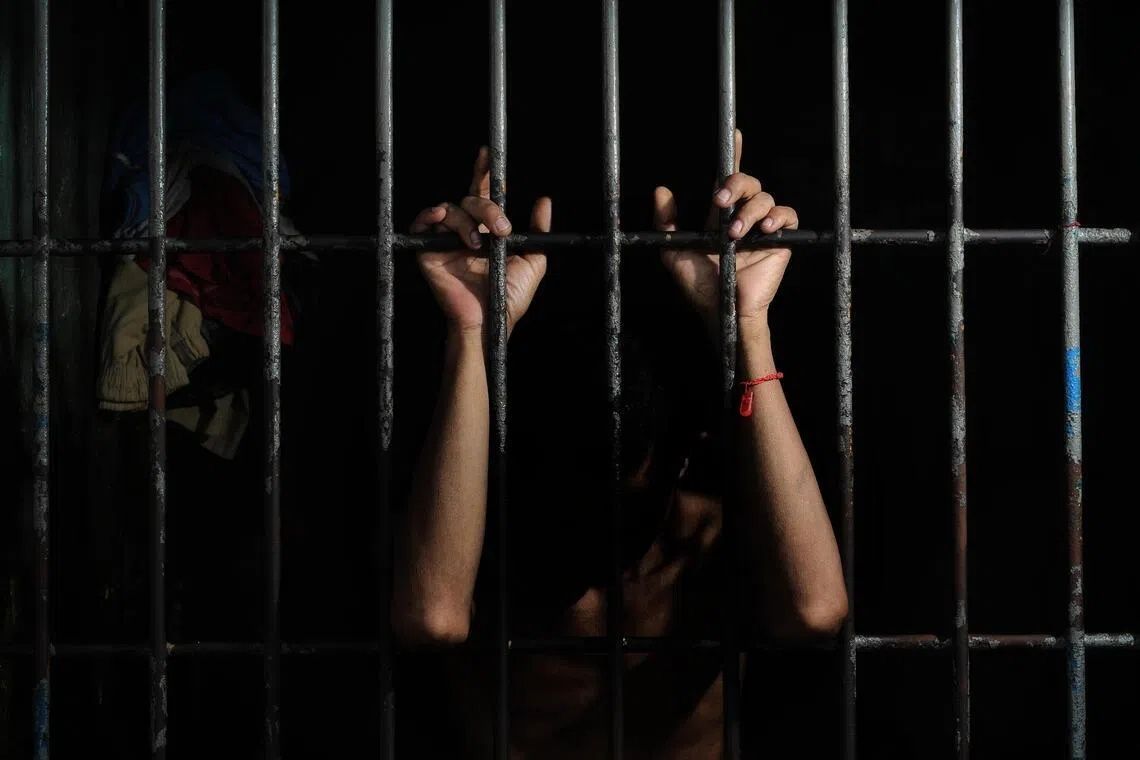
A grieving mother has launched legal action against Japanese authorities, seeking 100 million yen in compensation after her 16-year-old daughter died from severe malnutrition and trauma following a prolonged detention and harsh interrogation ordeal. The lawsuit, filed at Kobe District Court in western Japan on June 17, marks the latest challenge to a criminal justice system widely criticised for prioritising confessions over the presumption of innocence and subjecting detainees to psychological duress that critics argue amounts to coercion.
The case centres on Runa, a pseudonym used to protect the victim's identity, who worked at a care facility for people with disabilities in Hyogo Prefecture. In June of the previous year, she was arrested on allegations of assaulting a patient during a Valentine's Day celebration at the facility. From the outset, Runa maintained her innocence, asserting that her actions—gently pressing her hand against the patient's chin—were intended solely to prevent the individual from biting another person. Yet this explanation would provide little protection against the machinery of Japan's detention system.
For 18 consecutive days, Runa remained locked away while authorities methodically applied pressure designed to extract a confession. The psychological toll was devastating and deliberate. She was isolated from her family, permitted contact only with her legal representatives, and subjected to repeated interrogations where investigators employed intimidation tactics. According to her lawyer, Masahiro Sasaki, interrogators deployed threats of reformatory placement and separation from her mother, using phrases such as "You did it, didn't you? Just tell the truth" to wear down her resistance. Runa documented these encounters in a journal that would later become central to understanding the systematic nature of her mistreatment.
The physical consequences manifested swiftly after her release. By December—merely five months following her discharge—Runa weighed just 20 kilograms, having wasted away from the trauma of her experience. Her mother's account of her daughter's final appearance underscores the severity of the deterioration: the girl was, in her mother's anguished words, "unrecognisable when she died." Runa had been diagnosed with acute stress disorder, eating disorders, and post-traumatic stress, conditions that emerged directly from her detention experience and progressively weakened her until her body could no longer sustain itself.
The prosecution's actions during those 18 days raise particularly troubling questions about the necessity and proportionality of Runa's detention. Sasaki has challenged the fundamental justification for holding a teenager with no prior delinquency record on what he characterises as an "extremely trifling" assault allegation. Prosecutors twice sought extensions to her detention while simultaneously blocking her lawyer's applications to a judge for her release. It required a dramatic intervention—Runa's collapse and vomiting, necessitating emergency medical attention—before authorities relented and released her on grounds of non-prosecution, effectively acknowledging that charges could not be sustained.
This case exemplifies what critics term "hostage justice," a phenomenon deeply embedded in Japan's criminal procedure system. The mechanism operates with deceptive simplicity: authorities detain suspects, then leverage the psychological burden and isolation of custody to extract confessions that serve as de-facto preconditions for release. The system creates a powerful incentive structure that punishes silence and truthfulness whilst rewarding capitulation, regardless of actual guilt or innocence. Suspects who steadfastly maintain their innocence, as Runa did, face indefinitely extended detention periods as punishment for their refusal to provide the confession authorities seek.
Sasaki's legal arguments highlight the disproportionality of detaining a minor. Japanese law stipulates that detention of juveniles should occur only when "absolutely necessary," yet prosecutors proceeded without meaningful regard for this heightened standard of protection. There existed no credible basis to suspect that Runa, a young woman living under parental supervision with an unblemished record, would abscond or tamper with evidence—the conventional justifications for pre-trial detention. The absence of probable cause, combined with her age and circumstances, should have rendered continued detention legally indefensible. Yet the system proceeded regardless.
International human rights organisations have repeatedly condemned Japan's interrogation and detention practices. The case of Iwao Hakamada provides sobering historical precedent: once the world's longest-serving death-row inmate, Hakamada's convictions were ultimately quashed in 2024 after decades of incarceration. The Supreme Court determined that his confessions had been extracted through what it explicitly ruled were "inhumane" interrogation methods, yet these same confessions had sustained his conviction for years. Hakamada's exoneration, coming after his legal team secured a retrial, demonstrates that confessions obtained through the coercive machinery of hostage justice bear little reliable relation to actual culpability.
Runa's mother's statement at the press conference accompanying the lawsuit filing captured the fundamental injustice at stake: "I want to know what happened to her, and why she was arrested, detained and had to die." The question haunts not merely this single case but the entire system that permitted it. An 18-year-old girl who committed no crime, whose only transgression was maintaining her truthfulness under pressure, was detained in conditions that destroyed her health and ultimately claimed her life. That prosecutors could twice extend her detention, that judges could twice reject requests for release, and that the system would require her physical collapse to catalyse her freedom suggests structural failures rather than isolated misconduct.
The Kobe District Public Prosecutors Office declined to substantively engage with the case, stating they had not yet formally received the complaint. This procedural deflection obscures the deeper questions the lawsuit raises about accountability within Japan's criminal justice hierarchy. The case demands that Japanese policymakers and judicial authorities confront whether a system fundamentally structured around confession-extraction serves justice or merely perpetuates institutional power at the expense of fundamental human dignity. For Malaysian observers, the case underscores the importance of robust procedural protections for detainees, particularly juveniles, and the dangers of systems where confession-seeking becomes an institutional priority that supersedes the pursuit of truth.

%22%2F%3E%3C%2Fpattern%3E%3C%2Fdefs%3E%3Crect%20width%3D%22100%25%22%20height%3D%22100%25%22%20fill%3D%22url(%23ph523ndg)%22%2F%3E%3Crect%20width%3D%22100%25%22%20height%3D%22100%25%22%20fill%3D%22url(%23ph523ndp)%22%2F%3E%3Ctext%20x%3D%2250%25%22%20y%3D%2250%25%22%20text-anchor%3D%22middle%22%20dominant-baseline%3D%22central%22%20fill%3D%22rgba(255%2C255%2C255%2C0.95)%22%20font-family%3D%22Georgia%2C%20'Times%20New%20Roman'%2C%20serif%22%20font-weight%3D%22700%22%20font-size%3D%22272%22%20letter-spacing%3D%22-0.02em%22%3EAnwar%3C%2Ftext%3E%3C%2Fsvg%3E)