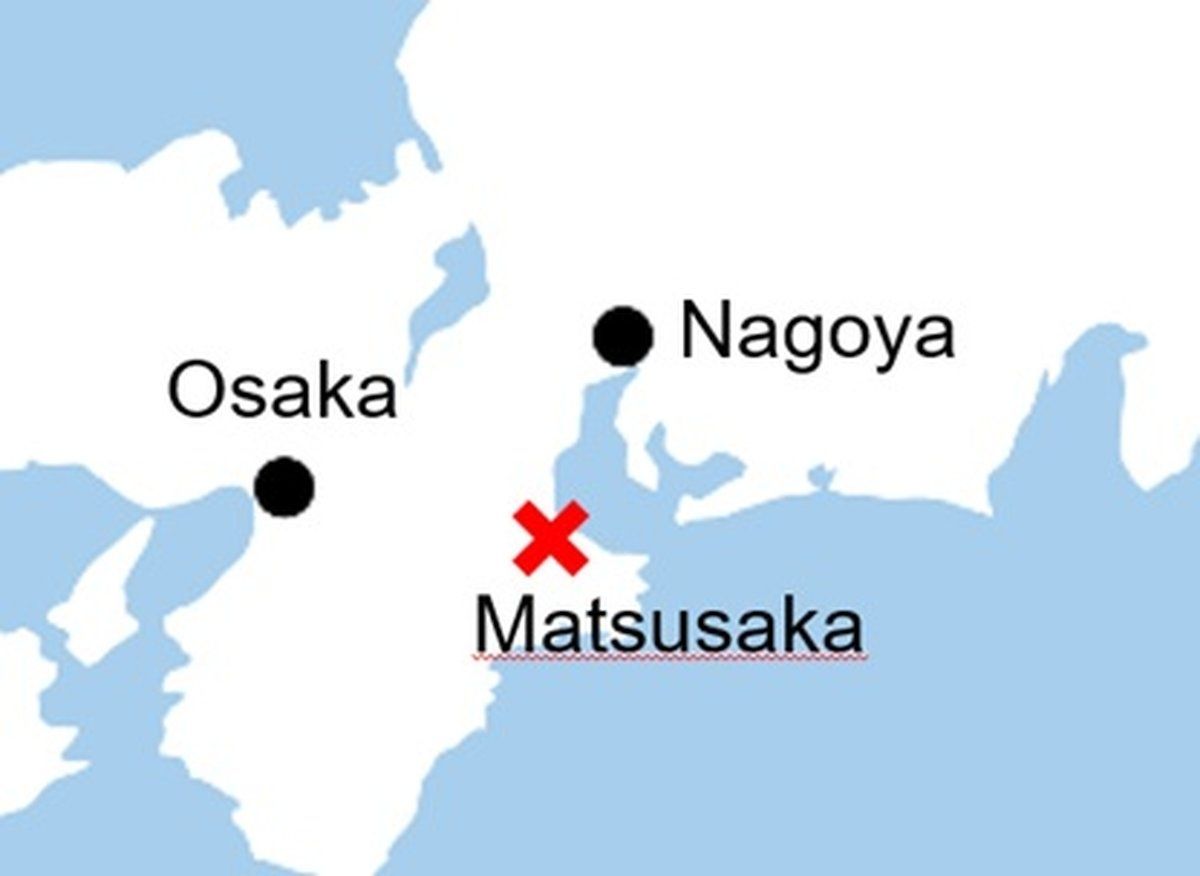
A 35-year-old resident of Matsusaka in Mie Prefecture, Japan, has been arrested following allegations that he confined his partner's five-year-old daughter inside a garbage can in an incident that has drawn fresh attention to child protection concerns in the country. Police took the man into custody on Thursday, June 18, after he reportedly admitted to placing the young girl inside the receptacle and closing the lid at his partner's home on May 12 at approximately 6:30 pm.
The incident came to light only eight days later when a child welfare centre in the prefecture became aware of what had transpired and immediately contacted police authorities. The welfare centre's involvement triggered a protective custody order for the girl's older sister, indicating that officials had concerns about the broader family environment. The swift intervention by the welfare system underscores Japan's evolving approach to child safeguarding, particularly in cases involving potential physical confinement or psychological abuse.
According to the police investigation, the suspect transported the child to the garbage can, placed her inside, and sealed it shut with the lid. The girl remained trapped in this confined space for approximately five minutes before being released. Despite the distressing nature of the confinement, authorities confirmed that the child sustained no physical injuries from the ordeal. However, the psychological impact of such an experience on a young child remains a concern for welfare officials overseeing her case.
The suspect's characterisation of his actions as a form of discipline raises significant questions about parenting practices and the line between permissible correction and child abuse. In Japan, where attitudes toward child discipline have traditionally been stricter than in many Western countries, such incidents often spark broader societal debates about appropriate boundaries. The man's willingness to describe confining a five-year-old in a garbage can as disciplinary action suggests a fundamental misunderstanding of child welfare standards and acceptable parenting methods.
This case reflects broader concerns within Japan regarding child protection and family violence. The country has faced increasing scrutiny over child abuse cases in recent years, prompting reforms to the child welfare system and stricter enforcement of child protection laws. The fact that the welfare centre took swift action upon learning of the incident demonstrates the system's growing responsiveness to reports of potential abuse, though critics argue that earlier detection and intervention remain challenges in cases where abuse occurs within private family settings.
The involvement of the child's older sister in the protective custody order suggests that officials may be investigating whether similar incidents occurred or whether other children in the household faced comparable treatment. Such precautionary measures are standard practice in child welfare investigations to ensure the safety of all minors living in potentially unsafe environments. The decision to separate the children from the home environment pending further investigation indicates that authorities took the allegations seriously from the outset.
The month-long gap between the May 12 incident and the welfare centre's notification on May 20 raises questions about how the incident came to light. In many abuse cases in Japan, schools, healthcare providers, or concerned relatives serve as the crucial reporting mechanism that alerts authorities to potential problems. Understanding how this particular case was discovered could provide insights into the effectiveness of mandatory reporting systems and community awareness of child protection issues.
For Malaysian and Southeast Asian readers, this case serves as a reminder that child protection remains an ongoing challenge across the region and globally. While Japan has developed sophisticated welfare systems compared to many developing nations, incidents like this demonstrate that institutional frameworks alone cannot eliminate abuse. The case also highlights the importance of public awareness campaigns and training for educators, healthcare workers, and community members to recognise and report signs of child maltreatment.
The arrest and admission of guilt suggest that the man understood the severity of his actions once confronted by authorities. However, the fact that he initially justified the act as discipline indicates a troubling gap between his understanding of acceptable parenting and contemporary standards of child protection. Legal consequences will likely follow, potentially including criminal charges related to false imprisonment or child abuse, depending on how Japanese prosecutors classify the conduct.
This incident underscores the importance of continued vigilance in protecting vulnerable children and the critical role played by welfare agencies in detecting and responding to abuse. As societies across Asia grapple with balancing cultural traditions regarding parental authority with modern child protection standards, cases like this serve as important markers of where legal and social boundaries lie. The swift intervention by the welfare centre and police demonstrates the potential for institutional systems to protect children when they function effectively, though preventing such incidents from occurring in the first place remains the ultimate goal for child protection advocates.

%22%2F%3E%3C%2Fpattern%3E%3C%2Fdefs%3E%3Crect%20width%3D%22100%25%22%20height%3D%22100%25%22%20fill%3D%22url(%23ph523ndg)%22%2F%3E%3Crect%20width%3D%22100%25%22%20height%3D%22100%25%22%20fill%3D%22url(%23ph523ndp)%22%2F%3E%3Ctext%20x%3D%2250%25%22%20y%3D%2250%25%22%20text-anchor%3D%22middle%22%20dominant-baseline%3D%22central%22%20fill%3D%22rgba(255%2C255%2C255%2C0.95)%22%20font-family%3D%22Georgia%2C%20'Times%20New%20Roman'%2C%20serif%22%20font-weight%3D%22700%22%20font-size%3D%22272%22%20letter-spacing%3D%22-0.02em%22%3EAnwar%3C%2Ftext%3E%3C%2Fsvg%3E)