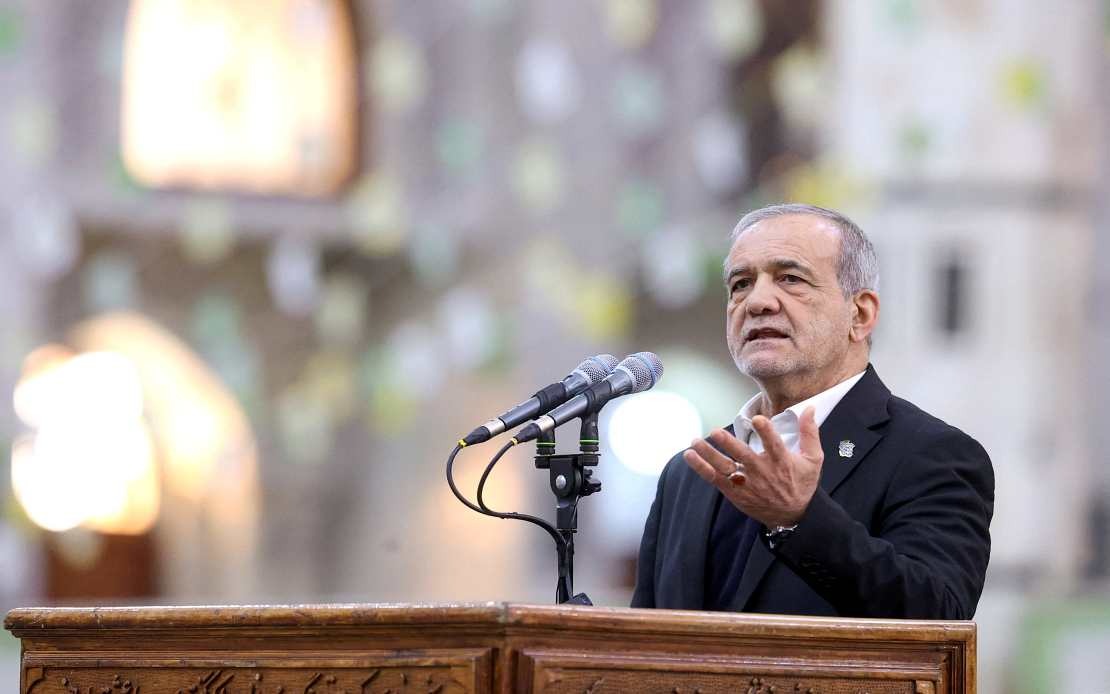
Iranian President Masoud Pezeshkian has declared that his country will recover US$6 billion in frozen assets currently held in Qatar as part of an emerging preliminary accord with the United States, signalling a significant thaw in bilateral relations following months of heightened regional tensions. The announcement, made on Sunday and carried by Iran's state broadcaster IRIB, represents a tangible economic benefit for Tehran at the outset of formal negotiations aimed at de-escalating conflict across the Middle East and reopening international shipping lanes through the Strait of Hormuz.
The frozen funds represent a portion of Iranian assets that have been tied up abroad due to international sanctions and diplomatic disputes. The release of these holdings would provide Tehran with immediate liquidity to address pressing economic challenges, including inflation and foreign exchange shortages that have constrained Iranian economic activity. For a nation whose currency has weakened significantly against major global currencies, the injection of hard currency assets could offer temporary relief, though questions remain about whether such measures constitute a sustainable solution to Iran's broader economic difficulties.
Yet Pezeshkian coupled his announcement with a firm reiteration of Iran's non-negotiable positions, particularly regarding uranium enrichment. The Iranian leader explicitly stated that his country will never relinquish its right to pursue nuclear enrichment activities and that the United States would ultimately be compelled to accept this reality. This declaration signals that despite the preliminary agreement and the promise of asset recovery, Iran maintains an uncompromising stance on its nuclear programme, a central point of contention in past negotiations and a persistent source of international concern.
The broader framework enabling these discussions emerged from a memorandum of understanding signed on Wednesday between Washington and Tehran. This accord established the foundation for technical negotiations aimed at addressing the escalating military confrontations that have defined Middle Eastern geopolitics in recent months. The comprehensive nature of the talks extends beyond bilateral Iran-US issues to encompass regional stability, maritime security, and the restoration of normal commerce through the Strait of Hormuz, one of the world's most critical chokepoints for global energy supplies.
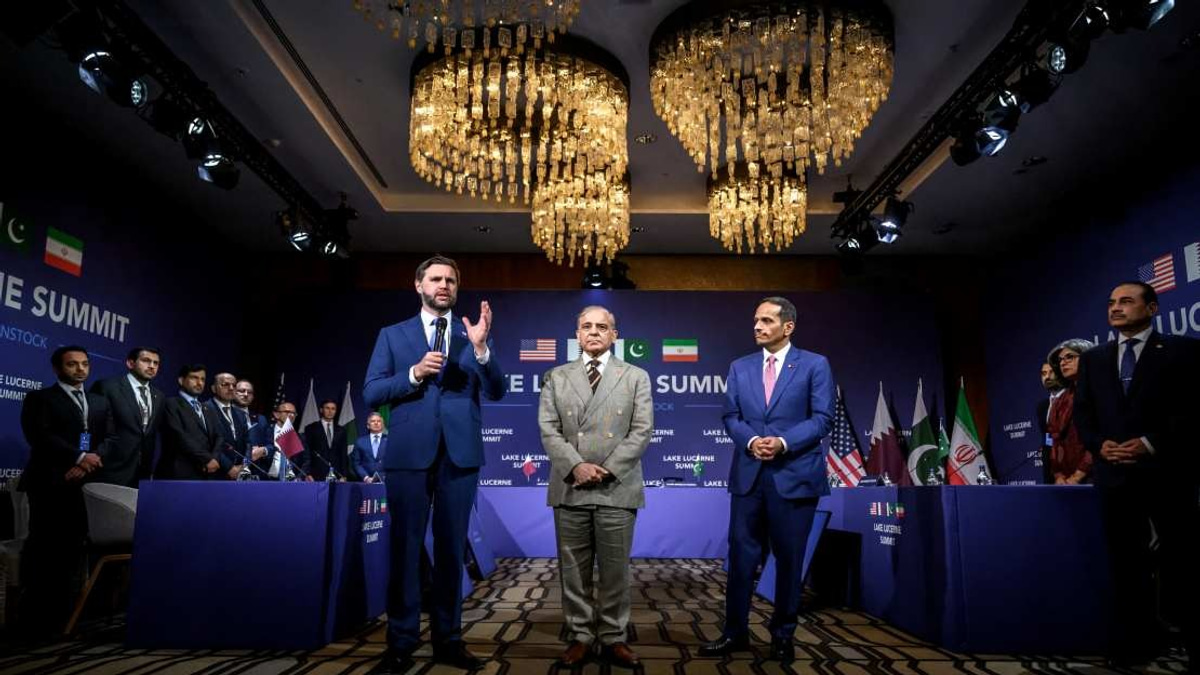
Delegations from both nations have converged in Switzerland to conduct detailed technical discussions, reflecting the gravity both sides attach to achieving a settlement. The chosen venue in Burgenstock signals a commitment to neutral ground and sustained engagement. Leading the American contingent is Vice President JD Vance, whose participation underscores the senior-level attention the Biden administration is devoting to these negotiations. The Iranian side has dispatched its Parliament Speaker Mohammad Bagher Qalibaf and Foreign Minister Abbas Araghchi, representatives with significant influence over domestic policy implementation and regional diplomacy respectively.
Pakistan has assumed the role of mediator in these discussions, a position reflecting Islamabad's strategic location between Iran and the broader international community, as well as its historical diplomatic engagement with Tehran. Pakistan's mediation efforts carry particular weight given its own interests in regional stability and its capacity to communicate effectively with Iranian leadership. The choice of Pakistan as intermediary also suggests that negotiations are being conducted through multiple diplomatic channels and that broader regional actors have stakes in achieving successful outcomes.
The technical negotiations represent a departure from the diplomatic gridlock that has characterised Iran-US relations since the American withdrawal from the 2015 nuclear deal. Those discussions will likely address not only the mechanics of asset transfer but also verification mechanisms, sanctions relief, and pathways toward addressing broader concerns about Iranian regional activities. The complexity of these negotiations cannot be understated; previous attempts to resolve disputes between Washington and Tehran have foundered on implementation details and disputes over sequencing of concessions.
For Southeast Asian observers, particularly Malaysia, these developments carry implications for regional commerce and energy security. The Strait of Hormuz remains critical to regional supply chains, and any durable agreement that reduces military confrontation along shipping routes benefits economies throughout Asia. Additionally, an Iran at odds with the West has sometimes sought to strengthen ties with Asian partners; a de-escalation might alter these diplomatic calculi. Southeast Asian nations maintain careful balancing acts in their foreign relations, and shifts in Iran-US relations inevitably influence regional dynamics.
The significance of the asset recovery itself extends beyond mere financial accounting. For Iranian domestic politics, Pezeshkian's announcement allows him to claim tangible economic gains from diplomatic engagement with the West, providing political cover for negotiations that some Iranian hardliners view with suspicion. The recovery of frozen assets serves as visible evidence of diplomacy's practical benefits, potentially building public support for continued negotiations even as Supreme Leader positions remain unchanged on core issues like uranium enrichment.
However, sceptics point out that preliminary agreements and technical negotiations represent only initial steps toward comprehensive settlements. Previous rounds of Iran-US talks have often collapsed at crucial junctures when parties disagreed on implementation sequencing or verification procedures. The assertion by Pezeshkian that America must eventually accept Iranian uranium enrichment suggests Tehran believes it negotiates from a position of strength or possesses leverage that past experience might not support. This positioning could complicate efforts to build consensus on technical implementation details.
The international dimensions of these negotiations extend beyond bilateral Iran-US relations. European nations, already concerned about Middle Eastern instability and its impacts on energy markets, will likely scrutinise any agreements for consistency with their own interests. Gulf states, particularly Saudi Arabia and the United Arab Emirates, maintain complex relationships with both Washington and Tehran and have interests in how these negotiations evolve. The outcome will therefore reflect not simply bilateral calculations but broader regional interests and international power dynamics.
As discussions advance, observers will watch closely for indications of movement on sanctions relief, verification protocols, and the timeline for asset transfers. The preliminary agreement has established momentum, but translating preliminary understandings into durable, implementable accords remains challenging. The presence of senior leadership on both sides suggests genuine commitment, yet historical precedent counsels caution about predicting successful outcomes. Nonetheless, the recovery of Iran's frozen assets and the commencement of technical talks represent measurable progress toward reducing regional tensions that have constrained economic activity and threatened international stability.