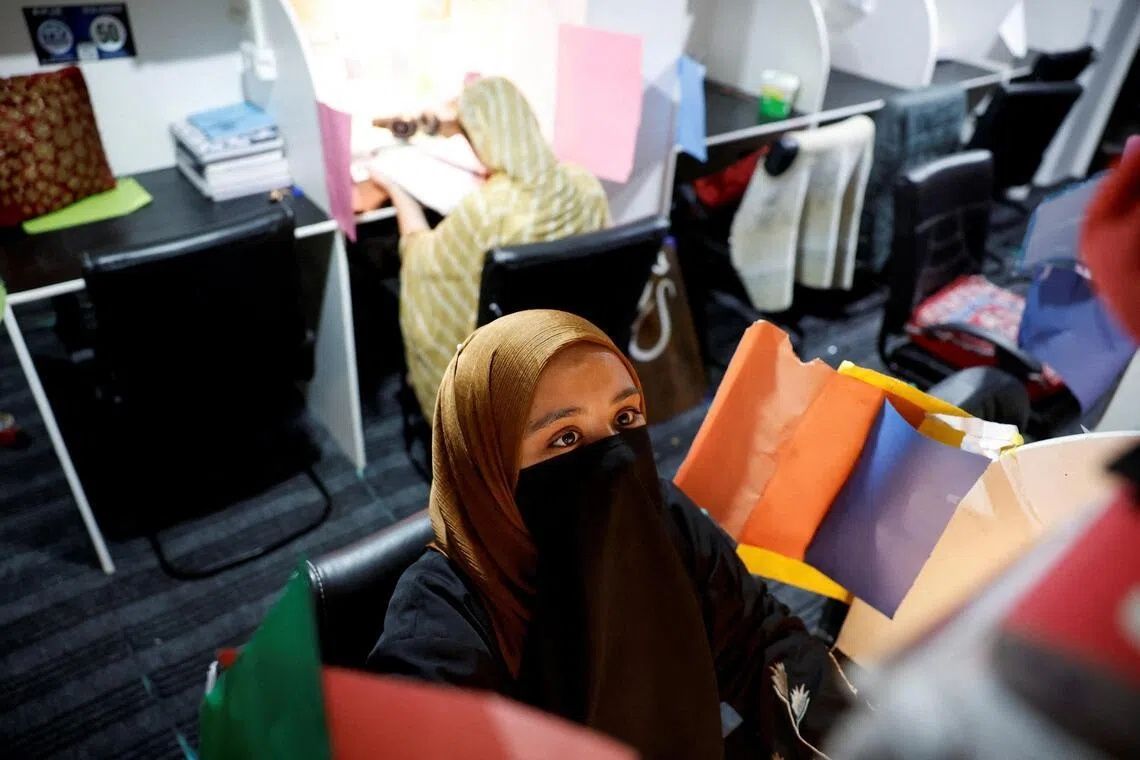
More than 2 million aspiring doctors across India are confronting mounting psychological pressure as they prepare to sit the National Eligibility cum Entrance Test for a second time on June 21, following the cancellation of their May 3 examination after allegations emerged of advance question paper circulation on social media. The forced retake has thrust a highly competitive selection process into crisis, transforming what was already one of the nation's most gruelling assessments into an ordeal compounded by circumstances entirely beyond the candidates' control.
The stakes in this examination are extraordinary. Only between 5 and 6 percent of students who attempt the test successfully secure admission to medical colleges, making it one of the world's most selective entrance hurdles. Years of intensive preparation typically precede the examination itself, with students investing considerable time, resources, and emotional energy into mastering complex curricula. For many, a single poor performance can derail career ambitions and force them to wait another year before attempting again—a prospect that intensifies the psychological burden surrounding retakes.
The emotional toll on candidates has become increasingly visible. Alima Javed, a 20-year-old from Srinagar, articulated the frustration echoing across India's medical school applicant population, describing how the examination itself demands substantial mental resilience before any questions are even posed. The added dimension of having worked diligently only to see results invalidated through no personal failing has created a unique form of academic trauma. Similarly, Aliya Jalaal, also aged 20, revealed that anxiety over the retake has become so overwhelming that she has sought professional psychiatric intervention, underscoring how deeply the scandal has penetrated students' mental health.
The broader fallout has extended into the political arena, generating substantial unrest that has become a notable challenge for Prime Minister Narendra Modi's government. Student demonstrations have erupted across New Delhi and numerous cities, with hundreds of participants turning out to voice their grievances at each protest. These mobilisations reflect deep frustration not only with the examination administration itself but also with perceived governance failures that permitted the leak to occur in the first place. Opposition politicians have seized upon the controversy as evidence of institutional mismanagement, further intensifying political pressure on the administration.
Claims have circulated through media channels and opposition quarters suggesting that the examination scandal has contributed to student suicides, though substantiation of these assertions remains difficult and contested. Regardless of whether these specific claims can be verified, the anecdotal evidence and visible psychological distress among candidates suggest that the scandal has created genuine mental health consequences for a vulnerable population already under considerable examination-related stress.
In response, Education Minister Dharmendra Pradhan has pledged that authorities will execute the retake with strict adherence to fairness and transparency protocols. Yet the government's remedial measures have themselves generated controversy. Officials ordered a temporary suspension of the Telegram messaging application throughout the examination period, reasoning that the platform's anonymity features and ease of channel recreation made it uniquely vulnerable to facilitating cheating networks. On June 19, the Indian court system upheld this ban as legally and proportionately justified, though the decision has drawn sharp criticism from digital rights activists and free speech advocates who contend that blocking communication channels represents an excessive restriction on citizen freedoms.
Concurrently, authorities have launched a comprehensive multi-agency investigation to determine the leak's origins and trace financial flows connected to suspected examination fraud networks. Officials across multiple Indian states have made arrests linked to the cheating infrastructure, with government representatives warning that substantially enhanced penalties await those convicted of examination malpractice. This enforcement dimension signals an attempt to restore institutional credibility by demonstrating serious consequences for those responsible for undermining examination integrity.
Beyond criminal investigations and punitive measures, the government has announced a suite of security enhancements designed to prevent future examination compromises. These procedural modifications encompass intensified surveillance and monitoring systems at test centres, more rigorous administrative controls governing question paper handling and distribution, and the introduction of digital tracking technologies intended to maintain oversight of examination materials from preparation through administration. Officials present these upgrades as comprehensive responses that address the vulnerabilities exposed by the scandal.
Yet despite these official reassurances and the implementation of tighter security measures, vast numbers of candidates report that anxiety remains substantially elevated. The psychological trust in examination administration has been fractured for many students, and procedural enhancements cannot readily repair the damage to institutional credibility. For aspirants who have already invested years preparing for this critical assessment, the knowledge that administrative failures jeopardised their first attempt creates a persistent undercurrent of apprehension as they approach the retake. The combination of inherent examination difficulty, exceptionally low selection rates, personal investment of years of study, and now the demonstrated possibility of administrative failure creates a uniquely stressful environment that no amount of enhanced security protocols can entirely ameliorate. The retake thus represents not merely a second opportunity to demonstrate medical school readiness, but a test of institutional resilience and public confidence in India's capacity to administer fair and credible national examinations.

%22%2F%3E%3C%2Fpattern%3E%3C%2Fdefs%3E%3Crect%20width%3D%22100%25%22%20height%3D%22100%25%22%20fill%3D%22url(%23ph523ndg)%22%2F%3E%3Crect%20width%3D%22100%25%22%20height%3D%22100%25%22%20fill%3D%22url(%23ph523ndp)%22%2F%3E%3Ctext%20x%3D%2250%25%22%20y%3D%2250%25%22%20text-anchor%3D%22middle%22%20dominant-baseline%3D%22central%22%20fill%3D%22rgba(255%2C255%2C255%2C0.95)%22%20font-family%3D%22Georgia%2C%20'Times%20New%20Roman'%2C%20serif%22%20font-weight%3D%22700%22%20font-size%3D%22272%22%20letter-spacing%3D%22-0.02em%22%3EAnwar%3C%2Ftext%3E%3C%2Fsvg%3E)