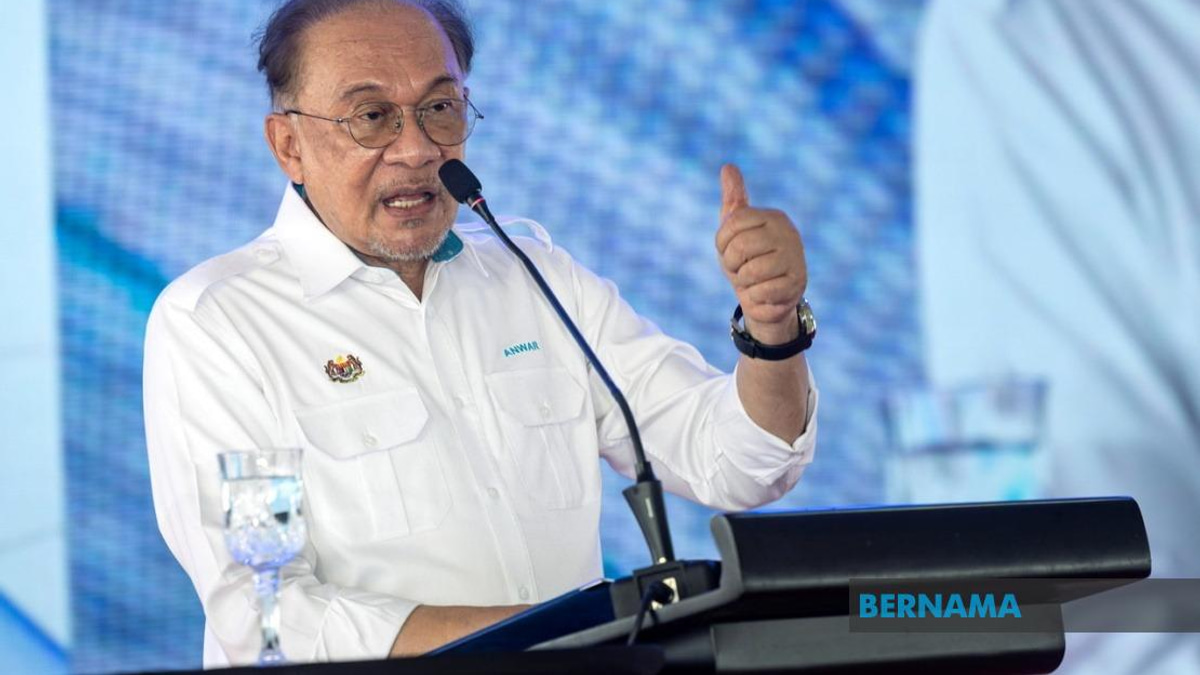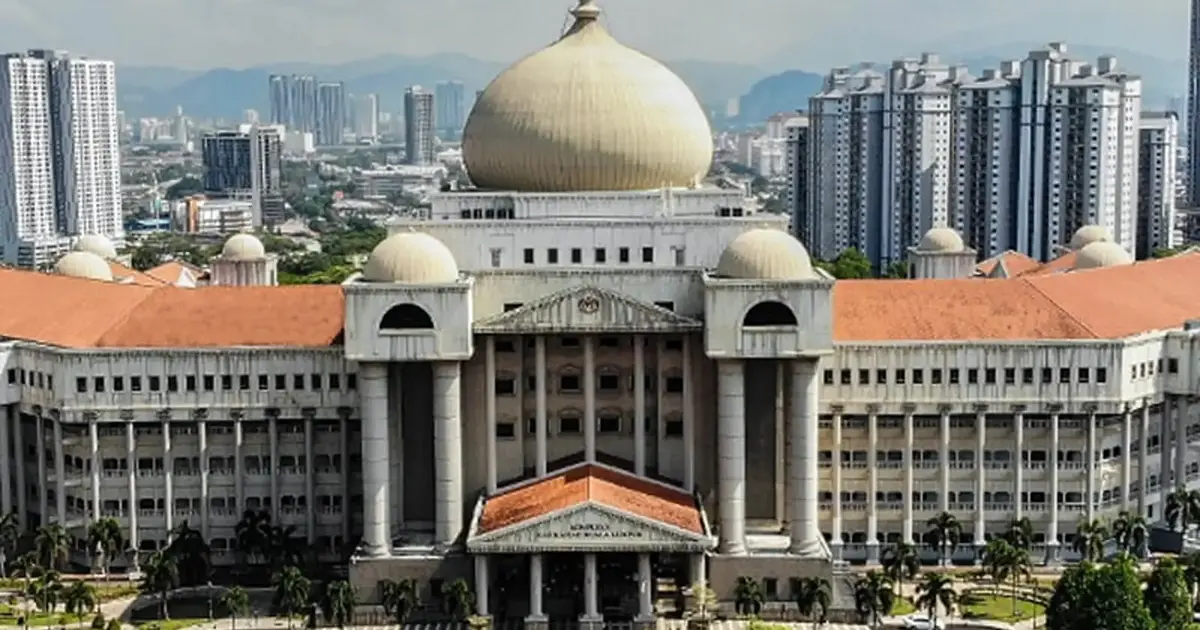
The High Court of Malaysia has determined that a subpoena requiring the Prime Minister to give testimony in a RM30 million civil suit cannot be enforced, on the grounds that he does not qualify as a material witness in the proceedings. The judicial decision represents a significant moment in how courts balance the principle that all citizens may be called upon to testify against the practical and constitutional considerations surrounding the country's chief executive.
The ruling, delivered by the High Court bench, addresses a fundamental question about witness obligations: whether the absence of a person in court can be compelled when that individual's direct knowledge of contested facts is deemed immaterial to the lawsuit's outcome. Material witness status typically requires that a person possesses firsthand knowledge of events central to the dispute, can provide testimony that directly addresses key issues in dispute, and cannot be easily substituted by other available evidence or witnesses. The court's analysis focused on whether the Prime Minister met these established criteria.
In Malaysian legal practice, the subpoena power—the authority to compel appearance and testimony—is a cornerstone of the civil litigation system. However, this power is not absolute and courts retain discretion to refuse enforcement when circumstances warrant. The High Court's decision reflects established common law principles that govern when subpoenas may be challenged and set aside. The ruling will influence how future legal teams approach requests for testimony from senior government officials and other high-ranking public figures involved in commercial disputes.
The implications of this decision extend beyond the immediate RM30 million case. Malaysian civil courts have historically grappled with balancing access to evidence and witnesses against practical considerations involving public officials. The judgment effectively establishes parameters for future litigation where plaintiffs or defendants seek testimony from individuals occupying positions of national leadership. Courts must now carefully examine whether such testimony is genuinely necessary to resolve factual disputes or whether the case can proceed adequately through other evidence.
For the Malaysian legal profession, the ruling provides clarity on evidentiary practice in high-profile cases. Defence counsel arguing against subpoenas now possess a significant precedent for demonstrating that senior officials should not be compelled to interrupt government functions to testify unless their involvement in the subject matter is direct and essential. Conversely, plaintiffs seeking to call such witnesses will face heightened judicial scrutiny and must establish more convincingly that alternative evidence is unavailable.
The decision also touches upon implicit constitutional questions about executive function and judicial powers. While Malaysian law recognises no blanket immunity for government officials from giving evidence, courts have long recognised that summoning the Prime Minister to court involves considerations beyond those applicable to ordinary witnesses. The judgment navigates this tension by focusing on the evidentiary necessity standard rather than official immunity, a approach that maintains judicial authority while acknowledging practical realities.
In regional context, the ruling aligns with how other common law jurisdictions—including Singapore, the United Kingdom, and Australia—handle testimony requests from heads of government. These jurisdictions typically employ tests centred on materiality and necessity rather than blanket immunity, though practical pressures often result in similar outcomes where chief executives are spared courtroom appearances. Malaysia's approach appears consistent with this international trend.
The RM30 million dispute itself has attracted commercial and political attention, making the testimony question particularly sensitive. By focusing narrowly on witness materiality rather than broader immunity questions, the High Court has crafted a decision that is technically defensible on evidentiary grounds while simultaneously protecting the Prime Minister from courtroom testimony. This narrowness also leaves room for future cases to potentially reach different conclusions if circumstances demonstrate genuine materiality.
For businesses and citizens engaged in litigation, the ruling suggests that merely achieving high political status of a potential witness will not automatically generate subpoena obligations. Instead, courts will require concrete demonstration that specific knowledge held by that individual is irreplaceable and directly pertinent to disputed facts. This standard protects government continuity while maintaining the principle that evidence should be tested in court when possible.
The decision comes at a time when Malaysian commercial litigation has become increasingly complex and high-stakes, with cases often involving government-linked companies and state agencies. The High Court's articulation of materiality standards will likely influence how future disputes are structured and which witnesses are ultimately called. Parties may now focus more energy on identifying non-governmental witnesses with relevant knowledge or on developing documentary evidence rather than pursuing testimony from senior officials.
Legal observers note that the ruling does not prevent future subpoenas of the Prime Minister in different circumstances. Should a future case arise where direct involvement or unique knowledge is demonstrable, courts might reach different conclusions. The decision therefore represents a measured approach rather than an absolute rule, preserving judicial discretion while providing immediate relief in the present case.
The implications for Malaysian governance are subtle but important. The judgment reinforces that the judiciary retains authority to compel official testimony when genuinely necessary, preventing executive branch insulation from legal process. Simultaneously, it acknowledges that ordinary civil disputes—even substantial ones involving millions of ringgit—may proceed without involving the nation's top official. This balance reflects mature democratic practice while maintaining accountability principles.

%22%2F%3E%3C%2Fpattern%3E%3C%2Fdefs%3E%3Crect%20width%3D%22100%25%22%20height%3D%22100%25%22%20fill%3D%22url(%23ph523ndg)%22%2F%3E%3Crect%20width%3D%22100%25%22%20height%3D%22100%25%22%20fill%3D%22url(%23ph523ndp)%22%2F%3E%3Ctext%20x%3D%2250%25%22%20y%3D%2250%25%22%20text-anchor%3D%22middle%22%20dominant-baseline%3D%22central%22%20fill%3D%22rgba(255%2C255%2C255%2C0.95)%22%20font-family%3D%22Georgia%2C%20'Times%20New%20Roman'%2C%20serif%22%20font-weight%3D%22700%22%20font-size%3D%22272%22%20letter-spacing%3D%22-0.02em%22%3EAnwar%3C%2Ftext%3E%3C%2Fsvg%3E)