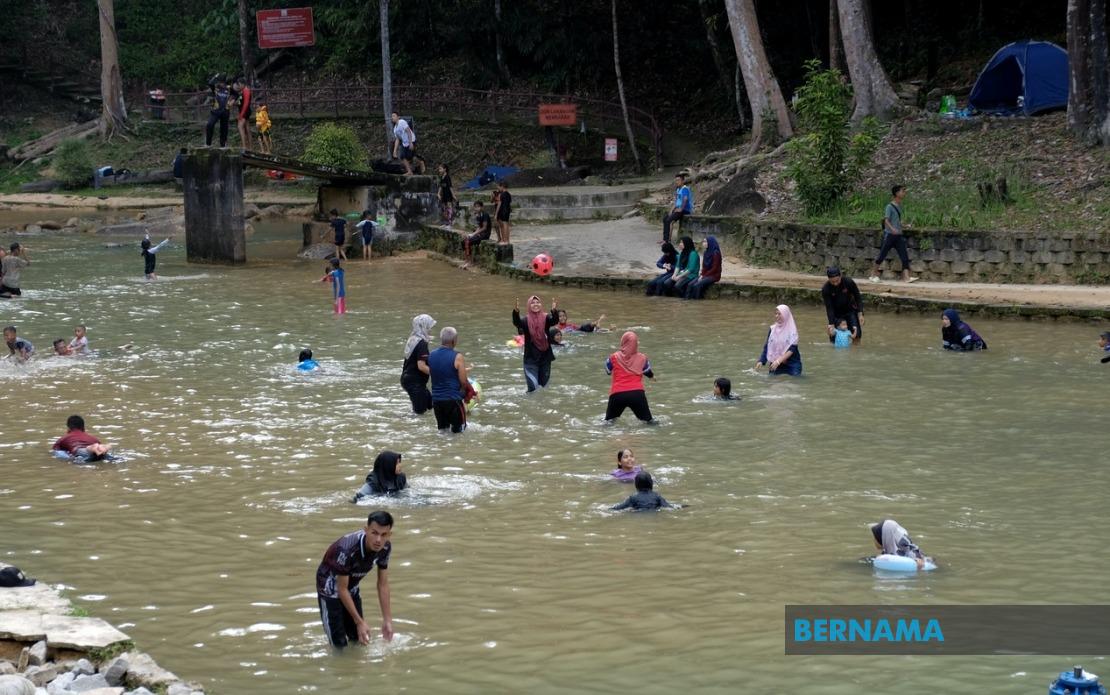
The Pahang State Health Department has launched a formal investigation into allegations that multiple visitors to a recreational area near Bentong fell ill with acute gastroenteritis symptoms after bathing in a river, prompting swift action from public health officials to contain any potential health hazard. Visitors reportedly experienced diarrhoea, vomiting and fever following their time at the site, triggering concern among local communities and health authorities alike.
According to the health department's initial assessment, no confirmed cases of acute gastroenteritis have yet been epidemiologically linked to the incident, and surveillance systems monitoring foodborne illness and acute gastroenteritis across the region have detected neither unusual clusters nor abnormal case increases in recent weeks. This measured finding suggests the outbreak, if one exists, remains localised and limited in scope at present, though authorities stress that investigations continue and laboratory results remain pending.
A critical part of the investigation involves environmental sampling conducted along Sungai Benus in Janda Baik on June 14, where multiple water samples were collected from various points for comprehensive microbiological analysis. These laboratory tests are designed to identify bacterial pathogens, viruses or parasites that commonly cause waterborne gastrointestinal illness, with results expected to clarify whether river contamination played a role. The timing of sample collection shortly after reports emerged demonstrates the health department's rapid response capability.
The health authorities are implementing a multi-layered investigative approach that extends beyond simple water testing. Active surveillance measures are being deployed across government and private health facilities in surrounding areas to identify any patients presenting with gastroenteritis symptoms and determine whether their exposure connects to the Bentong recreational site. This systematic tracking allows epidemiologists to map disease patterns and identify common factors linking cases, a crucial step in pinpointing the outbreak source.
Contamination sources remain a priority focus for investigators working in collaboration with multiple agencies responsible for water quality, environmental health and sanitation oversight. Their joint effort seeks to identify whether pollution stems from inadequate sewage treatment at the site, upstream agricultural runoff, livestock operations, or insufficient sanitation infrastructure serving visitors. Understanding the transmission mechanism is essential for implementing durable control measures that prevent recurrence.
The investigation also highlights broader concerns about recreational water facility management across Malaysia. Operators of riverside and waterway recreation areas face ongoing responsibilities to maintain adequate sanitation facilities, ensure clean water supply systems and operate functional sewage treatment infrastructure meeting public health standards. Poor maintenance or inadequate facilities create ideal conditions for waterborne pathogen transmission, particularly in tropical climates where warm water accelerates microbial proliferation.
For visitors and the general public, the health department emphasises the importance of seeking immediate medical attention should gastroenteritis symptoms develop following river bathing or other recreational water activities. Early diagnosis and treatment reduce disease severity and complications whilst aiding investigators' efforts to trace outbreak links. Healthcare providers across the region have been alerted to report any suspected cases, ensuring that clusters are rapidly detected even if initially unreported.
The situation underscores persistent challenges facing public health systems in monitoring and controlling waterborne disease in Southeast Asia, where recreational water use remains culturally important and economically significant for tourism-dependent communities. Climate factors, seasonal flooding, and inadequate infrastructure in some areas create recurring vulnerability to contamination events that can sicken dozens or hundreds of visitors before being detected.
Communications from the Ministry of Health emphasise public reliance on official government channels rather than speculation or unverified social media claims that might trigger unnecessary alarm. This approach balances transparency about ongoing investigations with recognition that preliminary findings often prove inconclusive and that jumping to conclusions can harm local businesses and tourism whilst investigations proceed.
As laboratory results materialise and epidemiological investigations deepen, a clearer picture should emerge regarding whether this incident represents an isolated occurrence or signals systemic problems requiring interventions across multiple sites. The health department's methodical approach, combining environmental sampling, enhanced surveillance and inter-agency coordination, reflects international best practice in foodborne and waterborne disease outbreak investigation.