The HAWANA 2026 Summit has officially commenced at the PICCA@Arena Butterworth Convention Centre, drawing media practitioners, government officials and strategic partners from Malaysia and across the ASEAN region. The gathering represents a significant moment for the journalism community in Southeast Asia, as representatives arrived throughout the day to participate in what organisers expect will be a landmark conference for the profession.
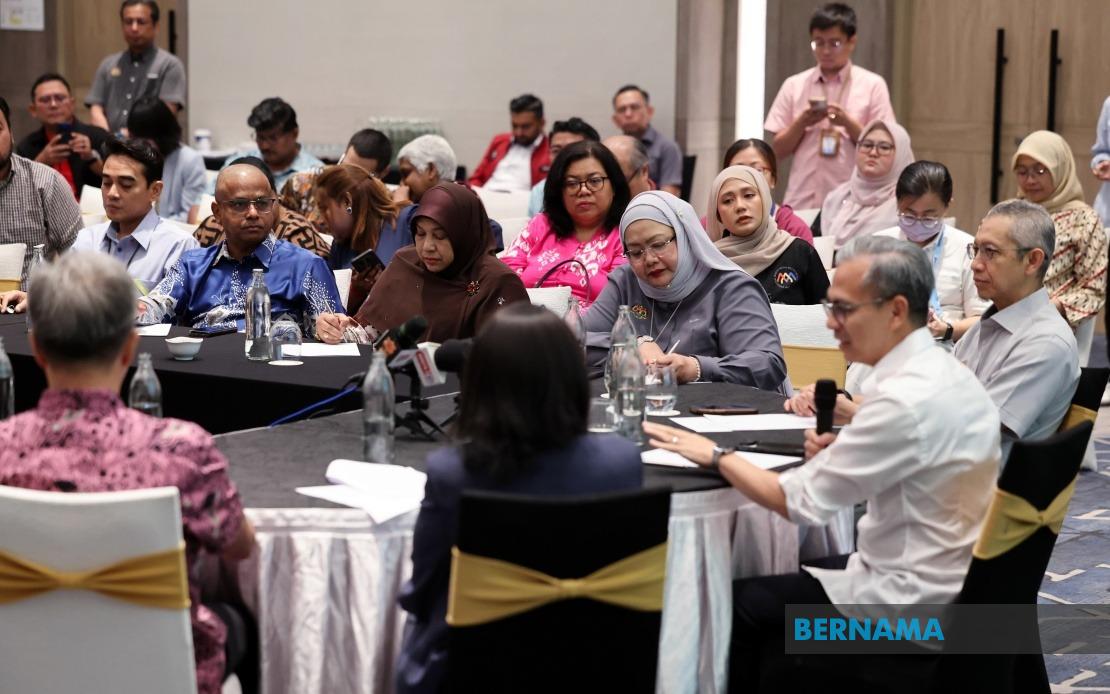
The convergence of approximately 1,000 media practitioners at the Penang venue underscores growing recognition of journalism's critical role in the region's democratic discourse and public information systems. Attendees have begun networking and exploring exhibition booths that showcase current developments in news gathering, digital journalism and media technology. A specially curated photo gallery in the convention centre foyer documents the evolution of Malaysian journalism and provides visual context for discussions around media standards and professional conduct.
The presence of delegates from ASEAN member states signals the summit's broader regional significance. Media organisations throughout Southeast Asia face remarkably similar challenges regarding misinformation, resource constraints and the need to maintain public trust amid rapid technological change. By convening journalists, editors and media leaders from across the bloc, the summit creates opportunities for practitioners to share experiences, discuss common standards and build collaborative networks that transcend national borders.
Organised by the Ministry of Communications with the Malaysian National News Agency (Bernama) serving as the implementing agency, HAWANA serves as Malaysia's principal annual observance celebrating the journalism profession. The National Journalists' Day event has evolved into a platform where the industry reflects on its responsibilities and recommits to the values that sustain credible news reporting. This year's iteration carries particular weight given contemporary concerns about information reliability and the sustainability of professional journalism globally.
The summit's central theme, 'Media Integrity Strengthens Credibility', directly addresses the profession's most pressing contemporary challenge. As digital platforms distribute news at unprecedented speed and consumers navigate an increasingly complex information landscape, maintaining rigorous standards for verification and accuracy has become essential to preserving public confidence in journalism. The theme acknowledges that media organisations cannot simply claim credibility but must continuously demonstrate it through transparent processes, correction policies and commitment to serving the public interest rather than narrow commercial or political interests.
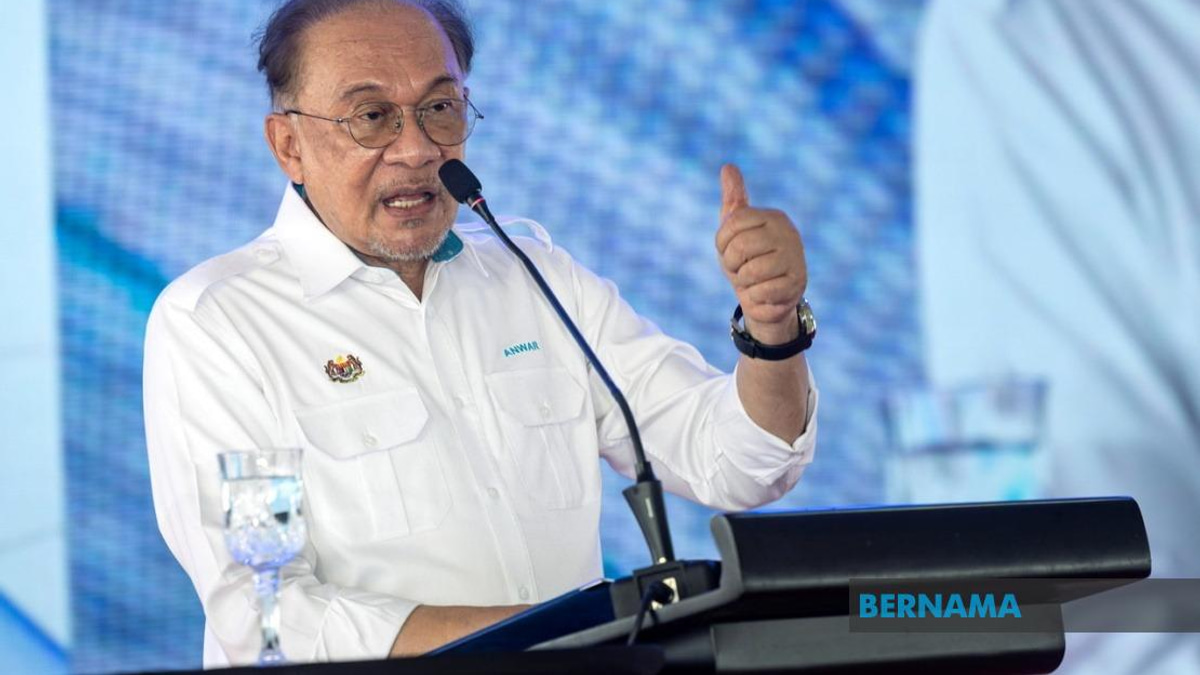
Prime Minister Datuk Seri Anwar Ibrahim will officiate the summit's opening, reflecting the Malaysian government's commitment to supporting media freedom and professional journalism standards. The Prime Minister's participation signals recognition that a functioning democracy and informed citizenry depend on journalists who operate with integrity and independence. His presence may also indicate government interest in exploring how media organisations and authorities can work constructively to combat misinformation while respecting editorial autonomy.
For Malaysian media practitioners, the summit provides occasion to assess their profession's standing amid significant technological disruption. Many news organisations have shifted resources to digital platforms, experimented with new storytelling formats and adapted business models to address declining print revenues. The gathering offers space to discuss these transitions candidly, examine what works across different market contexts and identify best practices that smaller outlets might adopt to improve their capacity for quality reporting.
The regional dimension of HAWANA 2026 reflects broader ASEAN priorities around connectivity and cooperation. Journalists from Vietnam, Thailand, Indonesia, the Philippines and other member states bring perspectives shaped by their national media landscapes, regulatory environments and audience expectations. Yet they share fundamental professional principles regarding the pursuit of truth, protection of sources and commitment to public accountability. The summit can strengthen these common bonds while acknowledging legitimate diversity in how journalism operates across different political and cultural contexts.
Informal networking during registration and exhibition visits allows journalists to forge professional relationships that often prove durable and productive over years. Colleagues from competing news organisations frequently find common cause when addressing shared industry challenges such as digital transformation, talent development and audience engagement. These connections extend beyond individual benefit, as journalists who maintain professional networks across the region become more effective at reporting on transnational issues including trade, migration, environmental protection and security matters that affect multiple countries.
The summit occurs at a moment when media organisations throughout Southeast Asia are reconsidering their role in the digital age. Social media platforms have become primary news sources for many citizens, creating both opportunities and challenges for professional journalists. Misinformation spreads rapidly through messaging applications and social networks, making it imperative for traditional news organisations to invest in fact-checking capabilities and develop credible voices consumers trust amid information abundance. HAWANA 2026 provides a venue to examine how journalists can maintain relevance and influence in this transformed media environment.
Bernama's role as implementing agency reflects its position as Malaysia's national news agency and source of official information. The organisation brings institutional experience in coordinating large-scale professional events and access to news practitioners throughout the country. Bernama's involvement also ensures that the summit's outcomes and discussions reach the broader Malaysian media industry through its distribution networks and news services.
As the summit unfolds over its scheduled duration, discussions will likely address technological adoption, professional standards, business sustainability and the media's relationship with civil society and government. The gathering represents an opportunity for the journalism profession to demonstrate its continued relevance to Southeast Asian audiences and governments while recommitting to the principles of accuracy, fairness and public service that justify journalism's privileged position in democratic societies.

%22%2F%3E%3C%2Fpattern%3E%3C%2Fdefs%3E%3Crect%20width%3D%22100%25%22%20height%3D%22100%25%22%20fill%3D%22url(%23ph523ndg)%22%2F%3E%3Crect%20width%3D%22100%25%22%20height%3D%22100%25%22%20fill%3D%22url(%23ph523ndp)%22%2F%3E%3Ctext%20x%3D%2250%25%22%20y%3D%2250%25%22%20text-anchor%3D%22middle%22%20dominant-baseline%3D%22central%22%20fill%3D%22rgba(255%2C255%2C255%2C0.95)%22%20font-family%3D%22Georgia%2C%20'Times%20New%20Roman'%2C%20serif%22%20font-weight%3D%22700%22%20font-size%3D%22272%22%20letter-spacing%3D%22-0.02em%22%3EAnwar%3C%2Ftext%3E%3C%2Fsvg%3E)