Butterworth has become the focal point for reflection on Malaysia's media fraternity with the opening of a comprehensive photo gallery during the HAWANA 2026 Summit, which celebrates the National Journalists' Day through both historical documentation and testimonials of community welfare in action. The exhibition, which operates as a dual-purpose showcase, presents archival materials spanning from the celebration's inception in 2018 through to the previous year's event, alongside heartfelt visual narratives of individuals who have benefited from Tabung Kasih@HAWANA, the financial assistance scheme established to support journalists facing personal hardship.
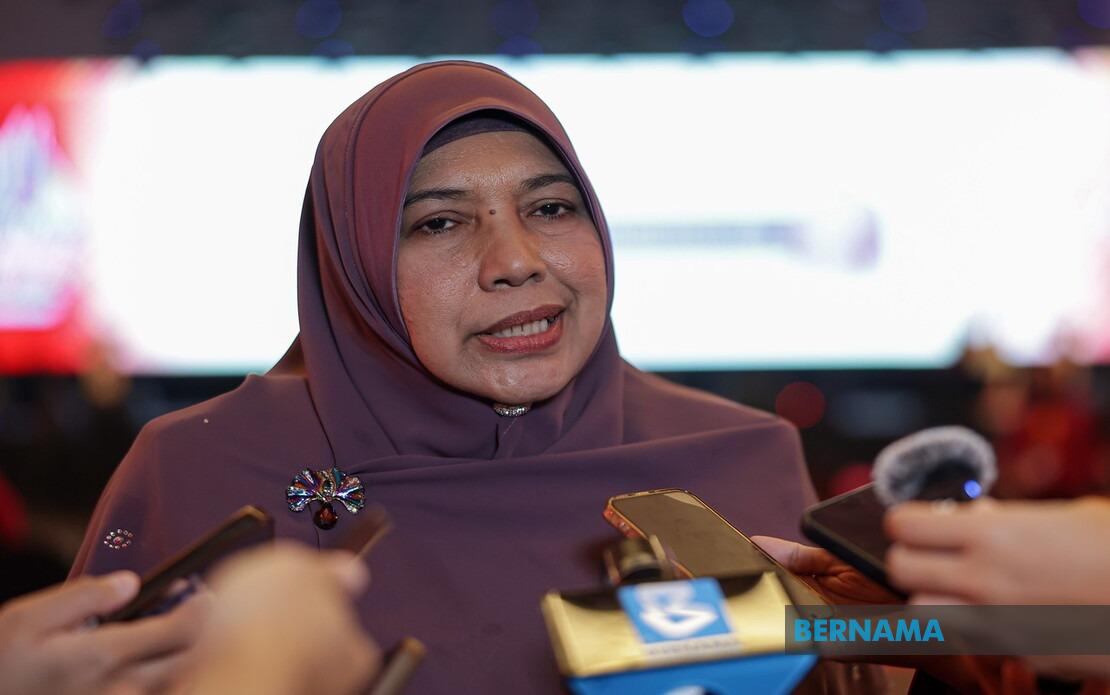
Datin Paduka Nur-ul Afida Kamaludin, who leads the Malaysian National News Agency (Bernama) as chief executive officer and chairs the HAWANA 2026 Working Committee, describes the gallery as a strategic intervention designed to shift public perception of institutional media work. Rather than allowing Bernama's support mechanisms to remain largely invisible in routine news operations, the exhibition platform deliberately brings behind-the-scenes activities into public view, demonstrating how Malaysia's national news agency operates as both a news producer and a custodian of industry welfare. This dual role, she emphasises, merits greater visibility and appreciation from both the broader journalist community and the general public who consume media content daily.
The gallery's structure reflects careful curatorial thinking about how to communicate complex institutional narratives to diverse audiences. The first major segment chronicles HAWANA's evolution across seven iterations, from its 2018 launch in Kuala Lumpur through subsequent celebrations hosted in Melaka during 2022, Ipoh in 2023, Kuching in 2024, and a return to Kuala Lumpur in 2025. This geographical diversity across Malaysian states suggests the celebration has developed into a genuinely national initiative rather than remaining concentrated in the capital, potentially strengthening professional bonds across regional journalism networks. The second segment shifts focus from institutional history to human impact, presenting documented cases of media practitioners and industry veterans whose circumstances improved through Tabung Kasih@HAWANA support.
Nur-ul Afida's remarks underscore an important strategic objective: using cultural commemoration to build public understanding of media industry challenges that rarely feature in mainstream coverage. The initiative addresses a paradox within journalism itself, wherein reporters excel at documenting societal issues while remaining reluctant to publicise their own professional vulnerabilities. By creating a dedicated exhibition space, Bernama signals that discussing health difficulties and financial pressures within the journalism profession should not carry stigma but rather reflect the sector's genuine operational realities. This approach aligns with broader Southeast Asian trends toward destigmatising welfare discussions and normalising institutional support systems as integral to professional practice.
The curation process itself underwent rigorous scrutiny, according to Mohamad Bakri Darus, editor of Bernama's Photo Desk, who oversaw selection of the displayed images. Rather than approaching the archive as a simple collection of documentary material, the team applied editorial judgment to choose photographs that would resonate emotionally while conveying substantive information about the celebration's scope and impact. Each image includes bilingual captions in Malay and English, a design decision reflecting Malaysia's linguistic landscape and ensuring accessibility across the diverse journalist readership that HAWANA targets, many of whom work in both languages or serve predominantly Malay or English-speaking audiences.
The programme elements highlighted throughout the gallery reveal HAWANA's ambition to function as a comprehensive industry engagement platform rather than a single-focus event. Strategic Partner Meetings facilitate conversation between media organisations and institutional stakeholders, Media Forums create space for discussing contemporary journalism challenges, the HAWANA-DBP Pantun Festival celebrates linguistic creativity within the profession, and the carnival and exhibition components provide informal networking opportunities. The inclusion of sporting activities, meanwhile, emphasises holistic wellness approaches that acknowledge media professionals' mental and physical health needs alongside purely financial concerns. This multifaceted programming philosophy distinguishes HAWANA from typical industry gatherings that concentrate solely on professional development or award ceremonies.
The choice of Butterworth as the 2026 host location carries particular significance for understanding how the celebration has matured. Rather than defaulting to Kuala Lumpur, which hosted the event twice previously, the summit's organisation in Penang's administrative centre demonstrates confidence in provincial infrastructure and recognition that Malaysia's journalism community extends well beyond the Federal Territory. Butterworth, as a major commercial and communications hub in the northern region, provides suitable facilities while signalling that industry recognition and welfare support reach journalists regardless of their geographical location. This decentralisation strategy potentially addresses longstanding perceptions that institutional initiatives disproportionately benefit capital-based media practitioners.
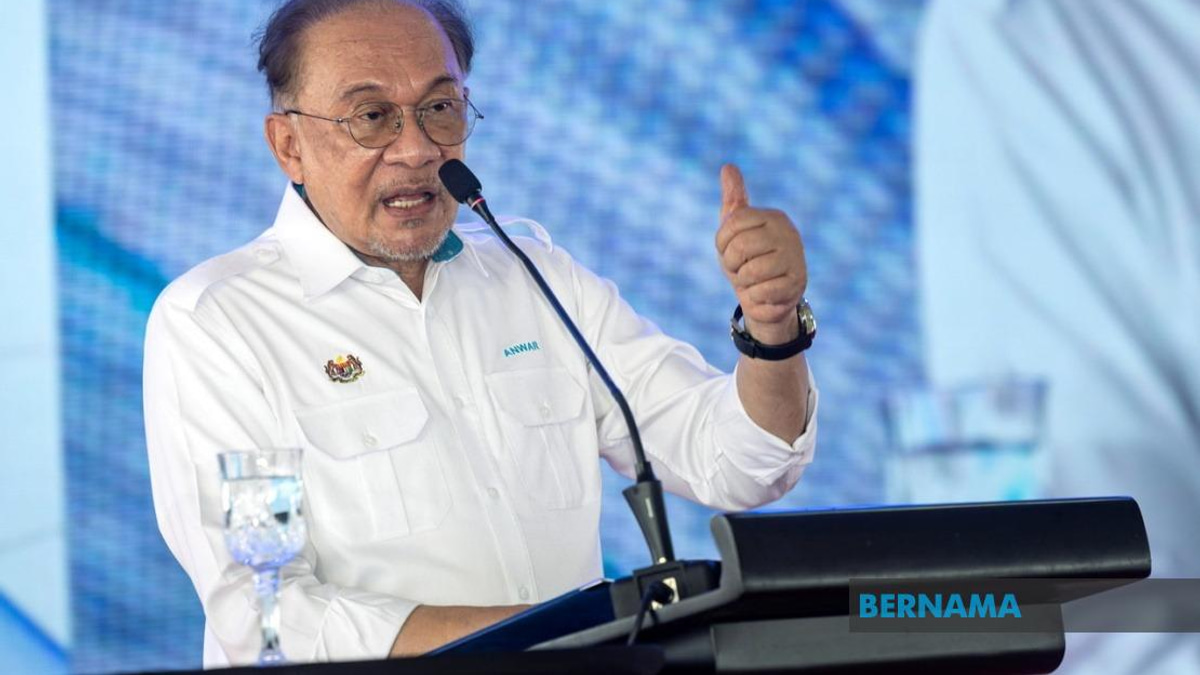
The summit's official programme will be inaugurated by Prime Minister Datuk Seri Anwar Ibrahim at the PICCA Convention Centre @ Arena Butterworth, an indication of the event's elevation within national political and cultural calendars. Prime ministerial attendance conventionally signals government recognition of an initiative's importance and demonstrates that journalist welfare has achieved sufficient policy visibility to warrant executive-level attention. This political endorsement may prove consequential for Tabung Kasih@HAWANA's resource allocation and for institutional momentum supporting the celebration's continuation, particularly relevant given Malaysia's evolving media landscape and ongoing discussions about digital transition's impact on traditional journalism employment.
The photo gallery's function extends beyond commemorative value to serve as a practical communication tool for journalists and organisations unfamiliar with Tabung Kasih@HAWANA's scope or application procedures. Visual representation of actual beneficiaries, presented respectfully through the exhibition's curatorial approach, provides compelling evidence of the scheme's real-world utility. For journalists confronting sudden health crises or unexpected financial setbacks, seeing documented cases of peers who received support may reduce hesitation about applying. This psychological dimension of institutional communication often receives insufficient attention, yet represents a crucial mechanism through which welfare programmes achieve their intended reach and impact.
The exhibition also serves important functions for Bernama as an organisation, allowing the national news agency to demonstrate stakeholder value in an era when government agencies face increasing scrutiny regarding their contemporary relevance. By showcasing concrete contributions to journalist welfare and community building, Bernama positions itself not merely as a news production entity but as an industry steward invested in professional sustainability. This positioning proves particularly important amid global discussions about media industry consolidation, employment precarity, and the financial pressures threatening journalism's viability in numerous markets. Southeast Asian newsrooms have experienced particularly acute employment challenges, making institutional support mechanisms increasingly vital for workforce retention and mental health protection.
The careful documentation through photography and bilingual captioning reflects evolving best practices in institutional communication, suggesting that Bernama has invested in understanding how visual media and accessible language enhance public understanding of complex initiatives. This approach recognises that many potential beneficiaries may not engage deeply with written policy documents but could respond powerfully to visual narratives demonstrating that support exists and that accessing it represents an ordinary professional decision rather than an extraordinary hardship marker. The exhibition thus functions simultaneously as historical record, contemporary advocacy tool, and resource for future journalists seeking information about available support systems.
Looking forward, the HAWANA 2026 gallery represents a maturation point for Malaysia's national journalist celebration, moving beyond one-off annual events toward creating enduring institutional memory and legacy. By documenting programme evolution, geographical expansion, and concrete welfare outcomes, Bernama establishes HAWANA as an initiative with sustained significance rather than annual novelty appeal. For Malaysian journalists and regional media professionals observing how national news agencies approach industry support, the gallery demonstrates concrete commitment to colleague welfare that extends beyond ceremonial recognition toward substantive intervention in practitioners' actual professional circumstances and personal wellbeing.

%22%2F%3E%3C%2Fpattern%3E%3C%2Fdefs%3E%3Crect%20width%3D%22100%25%22%20height%3D%22100%25%22%20fill%3D%22url(%23ph523ndg)%22%2F%3E%3Crect%20width%3D%22100%25%22%20height%3D%22100%25%22%20fill%3D%22url(%23ph523ndp)%22%2F%3E%3Ctext%20x%3D%2250%25%22%20y%3D%2250%25%22%20text-anchor%3D%22middle%22%20dominant-baseline%3D%22central%22%20fill%3D%22rgba(255%2C255%2C255%2C0.95)%22%20font-family%3D%22Georgia%2C%20'Times%20New%20Roman'%2C%20serif%22%20font-weight%3D%22700%22%20font-size%3D%22272%22%20letter-spacing%3D%22-0.02em%22%3EAnwar%3C%2Ftext%3E%3C%2Fsvg%3E)