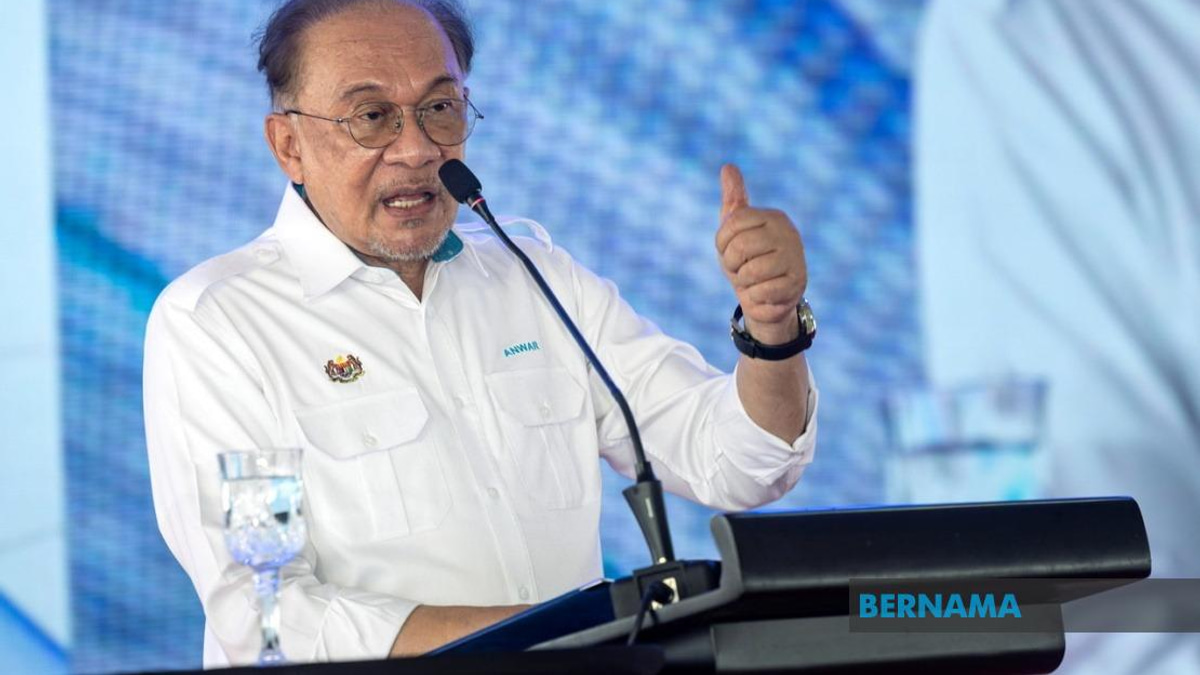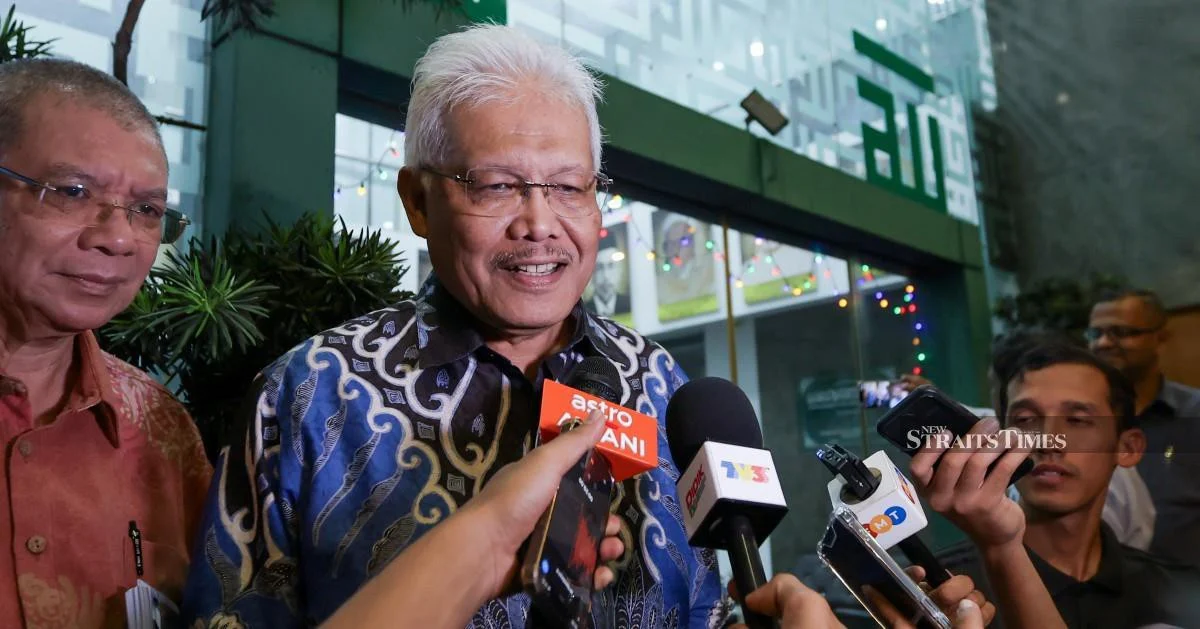
Datuk Seri Hamzah Zainudin's return to the opposition leader's seat in the Dewan Rakyat, scheduled for this coming Monday, signals a significant realignment in Malaysia's parliamentary dynamics and marks a turning point in the country's political landscape. The updated seating chart, which has now been officially confirmed, will see Tan Sri Muhyiddin Yassin, president of Bersatu, relocated further along the opposition benches, underscoring the formal recognition of Hamzah's reasserted authority within the opposition coalition.
This repositioning reflects the complex interplay of factional interests and coalition management that characterises Malaysia's contemporary opposition. The opposition benches have been a stage for considerable manoeuvring in recent months, and the physical arrangement of legislators carries symbolic weight beyond mere administrative convenience. Where an opposition leader sits in the chamber communicates hierarchy, legitimacy, and the acknowledged pecking order among competing blocs—information that observers of Malaysian politics parse with considerable attention.
Hamzah's reinstatement as opposition leader represents a consolidation of authority that had been contested or unclear during an interim period. The seat itself, immediately opposite the government benches, commands visibility and influence during parliamentary proceedings. From this vantage point, the opposition leader directs questioning, sets the tone for scrutiny of government policies, and serves as the principal voice challenging the ruling coalition's legislative agenda. The symbolic significance of occupying this seat extends beyond parliamentary protocol; it establishes Hamzah as the authoritative head of the opposition cohort in the eyes of both government and electorate.
Muhyiddin's displacement, while a necessity given only one legislator can occupy the opposition leader's seat, nonetheless represents a demotion in formal standing. As president of Bersatu, one of the largest opposition parties, Muhyiddin has maintained considerable influence within the parliamentary opposition. However, his repositioning reflects either an internal agreement within opposition ranks that Hamzah should hold the formal title and its accompanying prerogatives, or a settlement of a dispute that had previously left the opposition leader's role ambiguous. For Bersatu members and supporters, the reshuffle necessitates careful interpretation regarding what this shift means for the party's trajectory and Muhyiddin's continued clout.
The practical mechanics of this parliamentary reshuffling illuminate how Malaysia's legislative chamber operates behind the scenes. Seating arrangements in the Dewan Rakyat are not arbitrary; they reflect decisions made by the parliamentary administration in consultation with parliamentary leadership. The confirmation of the new arrangement suggests that any procedural or constitutional questions regarding Hamzah's eligibility or standing have been resolved, clearing the way for his formal assumption of duties. This administrative confirmation lends weight to the notion that relevant stakeholders have reached consensus on the matter.
For the government led by the current administration, Hamzah's assumption of the opposition leader's seat will reshape parliamentary dynamics. The opposition leader wields considerable leverage through parliamentary mechanisms including time allocation for speeches, priority in asking supplementary questions, and the ability to set the opposition's legislative agenda. Hamzah's style of opposition leadership, his strategic priorities, and his approach to government scrutiny will therefore materially affect how the government manages its parliamentary business and responds to critical questioning.
The opposition coalition itself faces questions about unity and coordination that this reshuffling brings into sharp focus. Multiple opposition parties—including PKR, DAP, Amanah, and Bersatu—must coordinate their parliamentary strategy while managing their distinct organisational interests. Hamzah's return as nominal opposition leader requires that these parties accept his authority for parliamentary purposes, even where they may harbour reservations about his personal standing or past political trajectory. The test of whether this arrangement proves durable will depend on whether Hamzah can command sufficient respect and demonstrate effective leadership that serves the broader opposition agenda.
Context matters significantly for understanding this development. Malaysian politics has experienced considerable flux in recent years, with shifting alliances, party defections, and evolving power balances creating uncertainty about who legitimately speaks for the opposition. The formal confirmation that Hamzah holds the opposition leader's seat provides clarity that, while perhaps not resolving all underlying tensions, at least establishes a transparent and agreed framework for opposition functioning within Parliament. This clarity facilitates legislative business and allows all parties—government, opposition, and public—to understand the formal structure within which parliamentary proceedings will occur.
For Malaysian citizens and observers, the reshuffle also carries implications beyond Parliament's walls. The opposition leader serves as the most visible opposition figure in the nation's foremost legislative forum. How Hamzah performs in this role will influence perceptions of opposition competence, alternative governance capacity, and the viability of opposition parties as serious contenders for power. His effectiveness in holding government accountable will either strengthen or undermine confidence in opposition checks on executive authority.
The coming Monday therefore marks not merely an administrative adjustment, but a moment of renewed definition for Malaysia's parliamentary opposition. Hamzah's return to the opposition leader's seat establishes a clear chain of command and clarifies roles within the opposition coalition at a time when such clarity has been lacking. Whether this arrangement stabilises opposition politics or merely represents a temporary settlement before further internal contestation emerges remains to be seen. Nonetheless, the seating chart's confirmation provides an orderly transition that allows Parliament to function with established protocols and recognised leadership structures.

%22%2F%3E%3C%2Fpattern%3E%3C%2Fdefs%3E%3Crect%20width%3D%22100%25%22%20height%3D%22100%25%22%20fill%3D%22url(%23ph523ndg)%22%2F%3E%3Crect%20width%3D%22100%25%22%20height%3D%22100%25%22%20fill%3D%22url(%23ph523ndp)%22%2F%3E%3Ctext%20x%3D%2250%25%22%20y%3D%2250%25%22%20text-anchor%3D%22middle%22%20dominant-baseline%3D%22central%22%20fill%3D%22rgba(255%2C255%2C255%2C0.95)%22%20font-family%3D%22Georgia%2C%20'Times%20New%20Roman'%2C%20serif%22%20font-weight%3D%22700%22%20font-size%3D%22272%22%20letter-spacing%3D%22-0.02em%22%3EAnwar%3C%2Ftext%3E%3C%2Fsvg%3E)