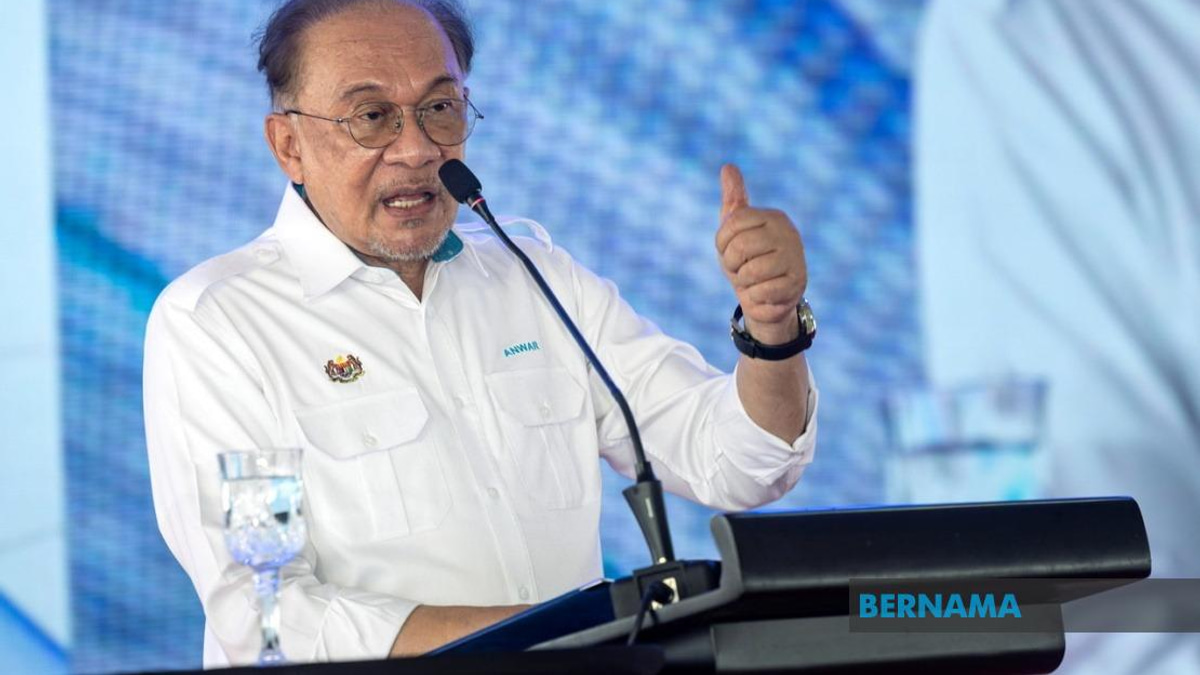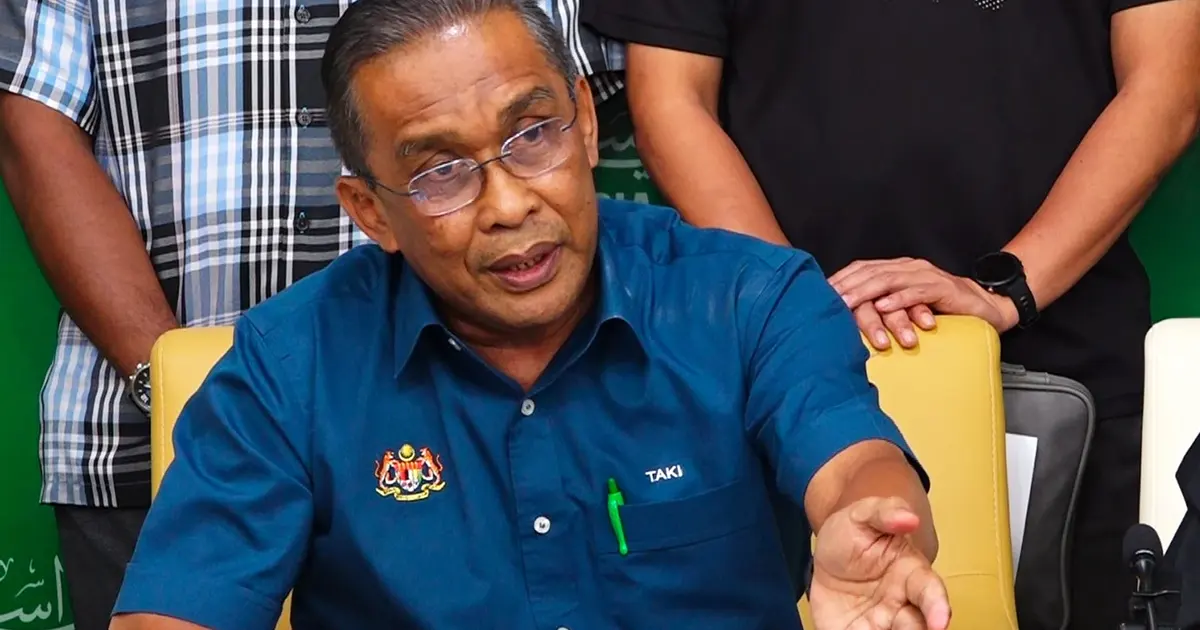
Perikatan Nasional's chief whip has formally notified the speaker of Dewan Rakyat that Hamzah Saad Zaman will take over as opposition leader, marking a significant shift in parliamentary leadership following a coordinated arrangement among opposition lawmakers. The announcement, made through official channels to the speaker's office, confirms that the former Bersatu deputy president has secured backing from a coalition of 61 opposition members of parliament, providing the numerical foundation required for his appointment to take effect immediately.
This development represents a realignment within Malaysia's opposition ranks, where Hamzah's return to the opposition leadership role consolidates support from Perikatan Nasional, which has emerged as the primary opposition bloc following the 2023 general election. The transition signals a reconsolidation of opposition forces that had previously fragmented across multiple political groupings, with PN positioning itself as the focal point of parliamentary opposition to the current government.
Hamzah's appointment carries particular significance given his previous tenure in senior opposition roles and his standing within Perikatan Nasional's party hierarchy. As former deputy president of Bersatu, a founding member of the PN coalition, he brings extensive parliamentary experience and factional support from multiple opposition parties aligned within the PN framework. His elevation reflects internal negotiations and consensus-building that culminated in securing the requisite 61 MPs' agreement.
The formal notification process through the chief whip underscores the structured nature of this transition. Parliamentary convention requires such announcements to be formally communicated to the speaker, ensuring institutional recognition and enabling Hamzah to execute opposition leader functions including parliamentary scheduling, question time coordination, and formal engagement with the government benches. This procedural formality legitimises the shift in parliamentary hierarchy.
For Malaysian politics, the opposition leader position carries symbolic and practical weight. The role carries responsibility for coordinating opposition parliamentary strategy, articulating the opposition's policy alternatives, and holding the government accountable through parliamentary mechanisms. The concentration of these functions under Hamzah suggests PN has determined that unified opposition leadership would strengthen its capacity to challenge government policies and mobilise its parliamentary bloc effectively.
The 61-MP endorsement indicates substantial consolidation within opposition circles, though this figure represents the particular configuration of PN-aligned lawmakers and allied independent members. This numerical backing exceeds the minimum threshold required to designate an opposition leader, providing Hamzah with a credible mandate that extends beyond his own party. Such cross-party coordination demonstrates the opposition's attempt to present a more cohesive parliamentary presence despite ideological and organisational differences between constituent parties.
From a broader Southeast Asian perspective, this development reflects the maturation of Malaysia's post-2023 election political settlement. The restructuring of opposition leadership occurs within a framework where no single opposition coalition commands the numbers to form government, necessitating strategic positioning to maximise influence and policy leverage within the parliamentary system. Hamzah's assumption of the opposition leadership role represents an attempt to translate PN's strong electoral performance into institutional parliamentary power.
The transition also carries implications for inter-party dynamics within the opposition alliance. PN comprises multiple parties including Bersatu, PAS, and Perikatan-aligned MPs from other parties. Hamzah's appointment suggests successful navigation of internal party negotiations, indicating that PN's leadership believes unified opposition direction would benefit the coalition's strategic interests better than competing individual party spokespeople articulating opposition positions simultaneously.
For the government, the consolidation of opposition leadership under a single, formally recognised figure establishes clearer lines of parliamentary engagement. Rather than negotiating with multiple opposition voices, government whips and parliamentary leadership can now engage with a single opposition leadership structure. This potentially streamlines parliamentary business while paradoxically strengthening the opposition's capacity to mount coordinated challenges to government legislation and policies.
The timing of this announcement suggests strategic consideration of the parliamentary calendar and upcoming legislative priorities. With the opposition leadership clarified, Hamzah can immediately begin orchestrating opposition responses to government initiatives, coordinating parliamentary questions, and positioning PN for the next phases of parliamentary debate. The effectiveness of this reorganisation will depend on PN's ability to maintain internal discipline and prevent defections that could erode the 61-MP foundation supporting his leadership.
Looking ahead, this restructuring positions Hamzah as the primary opposition interlocutor with government institutions and international observers monitoring Malaysian parliamentary affairs. His role will be tested through handling of contentious legislation, economic policy debates, and government accountability mechanisms. Success in these areas could strengthen PN's position for the subsequent general election, while failures could prompt further opposition reconfiguration.

%22%2F%3E%3C%2Fpattern%3E%3C%2Fdefs%3E%3Crect%20width%3D%22100%25%22%20height%3D%22100%25%22%20fill%3D%22url(%23ph523ndg)%22%2F%3E%3Crect%20width%3D%22100%25%22%20height%3D%22100%25%22%20fill%3D%22url(%23ph523ndp)%22%2F%3E%3Ctext%20x%3D%2250%25%22%20y%3D%2250%25%22%20text-anchor%3D%22middle%22%20dominant-baseline%3D%22central%22%20fill%3D%22rgba(255%2C255%2C255%2C0.95)%22%20font-family%3D%22Georgia%2C%20'Times%20New%20Roman'%2C%20serif%22%20font-weight%3D%22700%22%20font-size%3D%22272%22%20letter-spacing%3D%22-0.02em%22%3EAnwar%3C%2Ftext%3E%3C%2Fsvg%3E)