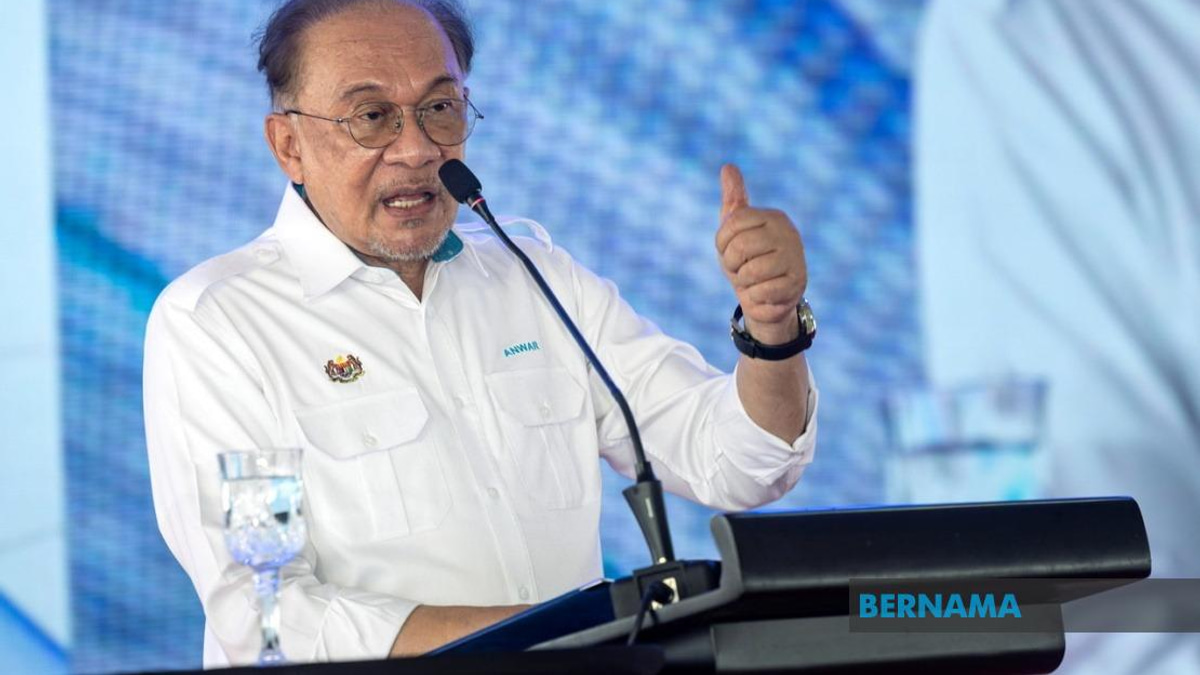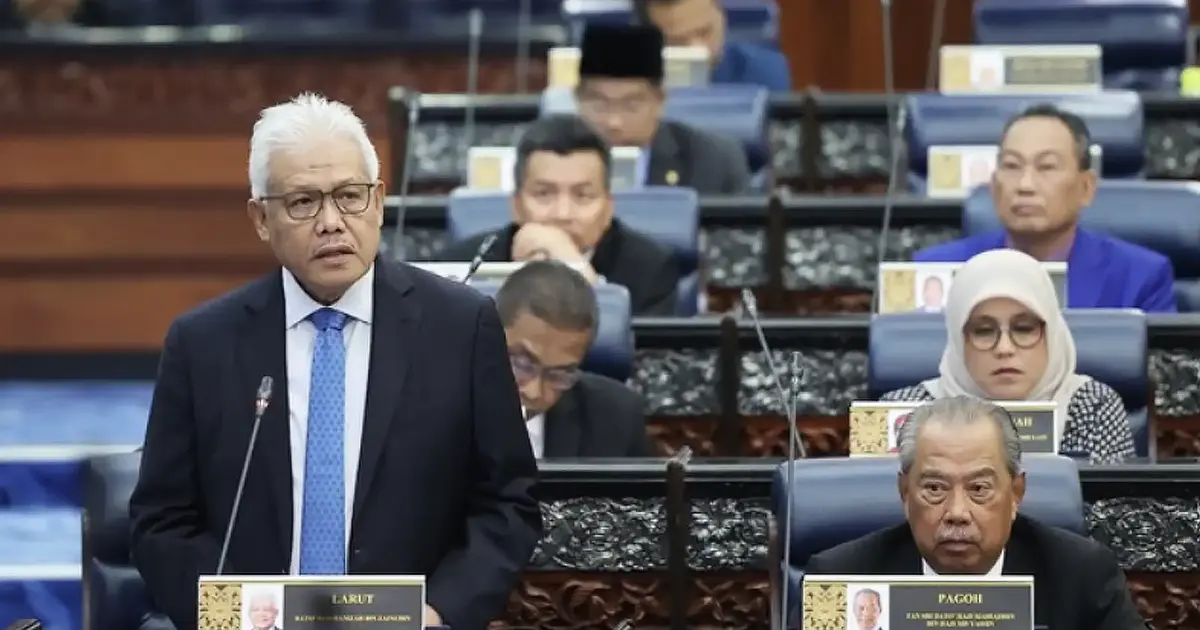
The seating arrangements in Malaysia's Parliament have undergone a significant reshuffle, with Hamzah returning to the coveted opposition leader's front-row position while Bersatu president Muhyiddin Yassin has been moved considerably further along the bench. The repositioning reflects broader shifts in the country's opposition dynamics and parliamentary positioning ahead of the new sitting.
This change marks a notable realignment within the opposition bloc. Hamzah's return to the principal opposition leader's seat carries symbolic weight beyond mere seating protocol, as it designates the senior opposition voice charged with holding the government accountable during parliamentary proceedings. The front-row placement is traditionally reserved for the leader of the largest or most influential opposition grouping, and Hamzah's restoration to this position underscores his current standing within the fractured opposition landscape.
Muhyiddin's movement eight seats distant represents a deliberate recalibration of parliamentary hierarchy. As Bersatu president, Muhyiddin remains a significant political figure, but the demotion from the immediate vicinity of the opposition leader's seat suggests a reduced role in day-to-day opposition coordination and parliamentary theatre. This separation is particularly noteworthy given that Bersatu has oscillated between coalition governments and opposition benches in recent years, and Muhyiddin's positioning may reflect ongoing questions about the party's strategic alignment.
The mechanics of parliamentary seating in Malaysia, while appearing procedural, carry substantial political messaging. Front-row placement grants greater visibility during proceedings, enhanced media coverage of remarks and reactions, and greater proximity to government ministers during parliamentary exchanges. These practical advantages translate into political influence and the ability to shape public narrative around legislative debates and government accountability.
For Malaysian observers and regional analysts, these shifts illuminate the current state of the opposition's organizational coherence. The removal of Muhyiddin from the primary opposition leader's immediate circle suggests either a consolidation of opposition leadership under Hamzah's banner or a deepening of factional divisions that require visible spatial separation. Either interpretation carries implications for how effectively the opposition can mount coordinated scrutiny of government policies and legislative proposals.
This parliamentary rearrangement arrives amid Malaysia's complex coalition politics, where opposition fortunes depend on maintaining unity while managing competing party interests and personal ambitions. Hamzah's positioning as the front-line opposition voice places him at the forefront of parliamentary combat, demanding sophisticated political skills and the ability to articulate opposition positions that resonate across diverse constituencies and party structures.
The Bersatu party itself faces strategic questions about its parliamentary role and coalition trajectory. Since its formation and subsequent political journey, including time in government coalitions, the party has navigated competing pressures between ideology, pragmatism, and leadership ambitions. Muhyiddin's repositioning may signal either a temporary parliamentary arrangement or a deeper recalibration of Bersatu's position within opposition structures that could have implications for future coalition arrangements.
For Southeast Asian political observers, Malaysia's parliamentary arrangements remain notable because they reveal how procedural changes frequently encode substantive political shifts. Seating charts, while technically administrative matters, function as visible indicators of power distribution and coalition dynamics that international observers monitor as markers of political stability and government vulnerability.
The implications for government stability merit consideration. A more cohesive opposition leadership, with clearly defined hierarchy reflected in parliamentary seating, may present a more formidable challenge to government messaging and legislative initiatives. Conversely, if the seating change masks underlying opposition fragmentation, government legislators may face fewer coordinated obstacles to their legislative agenda.
Parliamentary observers will watch closely to determine whether this arrangement represents a temporary administrative adjustment or signals longer-term repositioning within opposition ranks. The proximity or distance between opposition figures often correlates with their willingness to coordinate parliamentary strategy, and sustained physical separation might indicate divergent approaches to government accountability and policy positioning.
The human element matters significantly. Parliamentary performance depends not merely on seating arrangements but on the quality of questioning, the sharpness of rebuttals, and the ability of opposition members to maintain public attention. Hamzah's return to the primary opposition leader's seat places renewed responsibility on him to demonstrate leadership capable of uniting diverse opposition interests while mounting substantive challenges to government policies across multiple legislative domains.
Looking forward, these parliamentary arrangements will shape parliamentary dynamics during legislative sessions. The visibility and prominence granted by front-row positioning require matched performance standards, and observers will assess whether the seating reshuffle translates into enhanced opposition effectiveness or remains merely symbolic realignment without corresponding policy impact.

%22%2F%3E%3C%2Fpattern%3E%3C%2Fdefs%3E%3Crect%20width%3D%22100%25%22%20height%3D%22100%25%22%20fill%3D%22url(%23ph523ndg)%22%2F%3E%3Crect%20width%3D%22100%25%22%20height%3D%22100%25%22%20fill%3D%22url(%23ph523ndp)%22%2F%3E%3Ctext%20x%3D%2250%25%22%20y%3D%2250%25%22%20text-anchor%3D%22middle%22%20dominant-baseline%3D%22central%22%20fill%3D%22rgba(255%2C255%2C255%2C0.95)%22%20font-family%3D%22Georgia%2C%20'Times%20New%20Roman'%2C%20serif%22%20font-weight%3D%22700%22%20font-size%3D%22272%22%20letter-spacing%3D%22-0.02em%22%3EAnwar%3C%2Ftext%3E%3C%2Fsvg%3E)