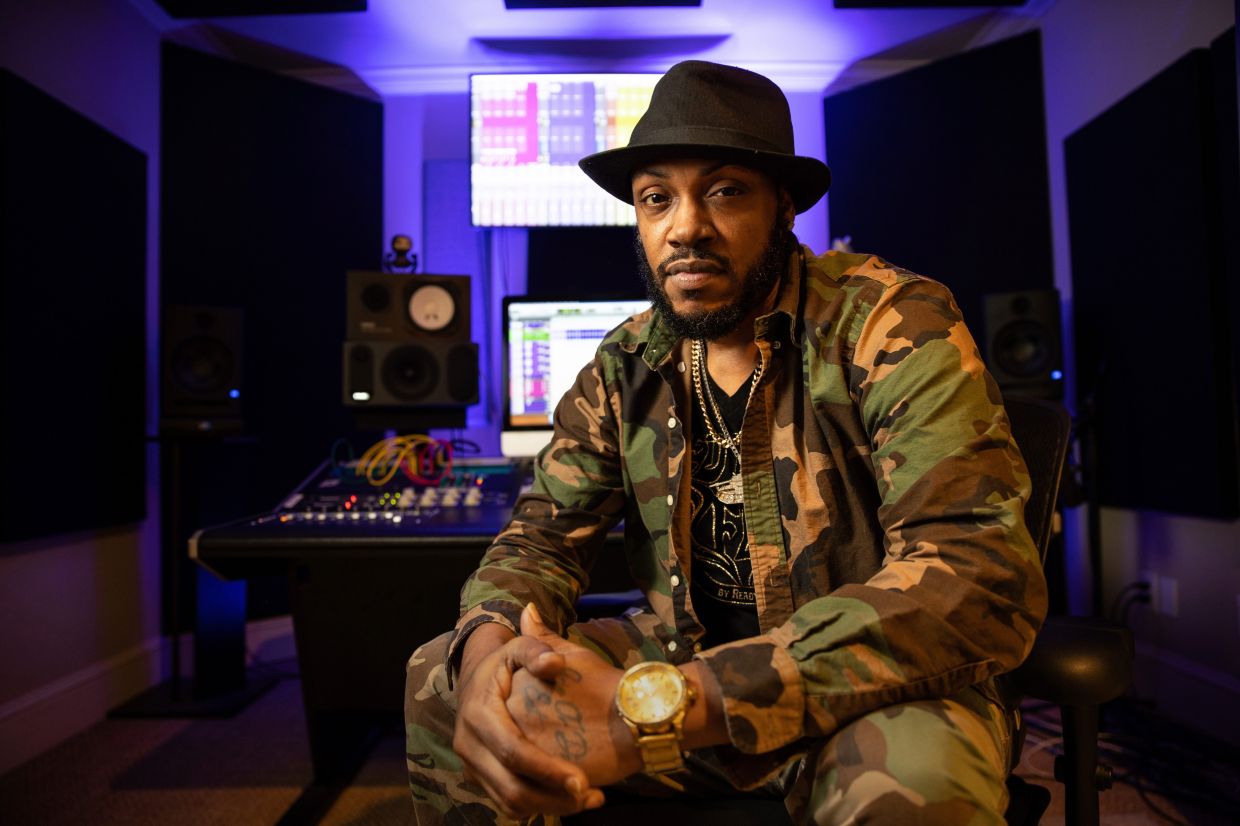
US rapper Mystikal, a multiple Grammy nominee during the early 2000s, has been sentenced to 20 years in prison after pleading guilty to third-degree rape. The conviction stems from allegations that he sexually assaulted a woman at his residence in Prairieville, Louisiana in 2022. The case represents a significant moment in the ongoing reckoning within hip-hop regarding sexual violence, particularly as it involves an artist who once achieved mainstream commercial success and critical recognition.
Michael Lawrence Tyler, performing under the stage name Mystikal, accepted the guilty plea in March as part of a negotiated arrangement that capped his potential sentence at 20 years. This deal resulted in prosecutors reducing the charge from first-degree rape, which would have carried an automatic life sentence. The substantial reduction reflects the terms of the plea agreement, though it still represents a lengthy custodial period reflecting the severity of the offence.
In a dramatic development immediately preceding his formal sentencing on Tuesday, Mystikal filed a request asking the judge to allow him to withdraw his guilty plea. His legal team argued that he "did not have sufficient opportunity to fully consider the consequences" of the admission, according to reporting from ABC affiliate WBRZ. This last-minute reversal attempt proved unsuccessful, highlighting the finality of the guilty plea process and the court's determination to proceed with sentencing.
The victim provided a powerful statement during the sentencing hearing, detailing the violence she experienced during the assault at Mystikal's Prairieville home, situated approximately 18 miles from Baton Rouge. She testified that the rapper had punched her, choked her, pulled out her braids, and forcibly raped her. Following her account, she urged the judge to impose the maximum possible sentence, seeking accountability proportionate to the harm she suffered.
Mystikal's response to the victim's statement, according to WBRZ, demonstrated a degree of acceptance of culpability. The rapper acknowledged that "if I did that to you, I deserve the max sentence," suggesting an understanding of the gravity of his actions and the impact on his victim. This admission, made during the sentencing proceedings, underscores the admission he had already made through his guilty plea months earlier.
The case carries particular weight given Mystikal's history with the criminal justice system. In 2003, precisely two decades before this current conviction, the Louisiana-born artist pleaded guilty to sexual battery and received a six-year prison sentence. That same year, he earned Grammy nominations in two categories, including best rap album, a contradiction that highlights the music industry's historical complexity in addressing allegations against successful performers. The recurrence of sexual violence convictions raises concerns about rehabilitation and accountability mechanisms within both the penal and entertainment systems.
Mystikal's path to prominence occurred during the 1990s, when he established himself within hip-hop circles with distinctive production and delivery styles. His commercial peak arrived around 2000 with the release of hit material that achieved substantial airplay and chart success. However, his career trajectory has been significantly impacted by his criminal convictions, particularly the earlier sexual battery charge that interrupted his ascension during a pivotal moment in his artistic development.
The rapper has remained incarcerated at Ascension Parish Jail throughout the proceedings following his 2022 arrest. His legal representation did not provide commentary when contacted regarding the sentencing outcome. The absence of a public statement from his defence team suggests a strategy focused on accepting the court's decision without further contestation, distinguishing this approach from the unsuccessful plea withdrawal attempt.
For Malaysian and Southeast Asian audiences, the Mystikal case illustrates broader patterns within American entertainment culture regarding sexual violence and accountability. The music industry has faced mounting pressure globally to address misconduct, with jurisdictions throughout the region increasingly scrutinising the conduct of international artists touring or establishing business interests. The 20-year sentence represents a substantial prison term by international standards, reflecting evolving attitudes toward sexual assault convictions even for high-profile defendants.
The case also demonstrates how the American legal system processes serious criminal allegations through plea negotiations and sentencing guidelines that attempt to balance victim justice with proportional punishment. The victim's court participation and the judge's willingness to hear her impact statement represent mechanisms increasingly advocated for in modern criminal justice reform discussions, including within Malaysia and neighbouring nations.
Mystikal's incarceration marks the end of a professional career that achieved Grammy recognition and commercial viability at its zenith. The contrast between his earlier nominations and his current conviction underscores how serious criminal conduct can fundamentally alter the trajectory of public figures, regardless of previous accomplishments. The sentence provides closure for the victim while serving as a reminder of the consequences for perpetrators of sexual violence, even when those individuals have achieved prominence within entertainment fields.

%22%2F%3E%3C%2Fpattern%3E%3C%2Fdefs%3E%3Crect%20width%3D%22100%25%22%20height%3D%22100%25%22%20fill%3D%22url(%23ph523ndg)%22%2F%3E%3Crect%20width%3D%22100%25%22%20height%3D%22100%25%22%20fill%3D%22url(%23ph523ndp)%22%2F%3E%3Ctext%20x%3D%2250%25%22%20y%3D%2250%25%22%20text-anchor%3D%22middle%22%20dominant-baseline%3D%22central%22%20fill%3D%22rgba(255%2C255%2C255%2C0.95)%22%20font-family%3D%22Georgia%2C%20'Times%20New%20Roman'%2C%20serif%22%20font-weight%3D%22700%22%20font-size%3D%22272%22%20letter-spacing%3D%22-0.02em%22%3EAnwar%3C%2Ftext%3E%3C%2Fsvg%3E)