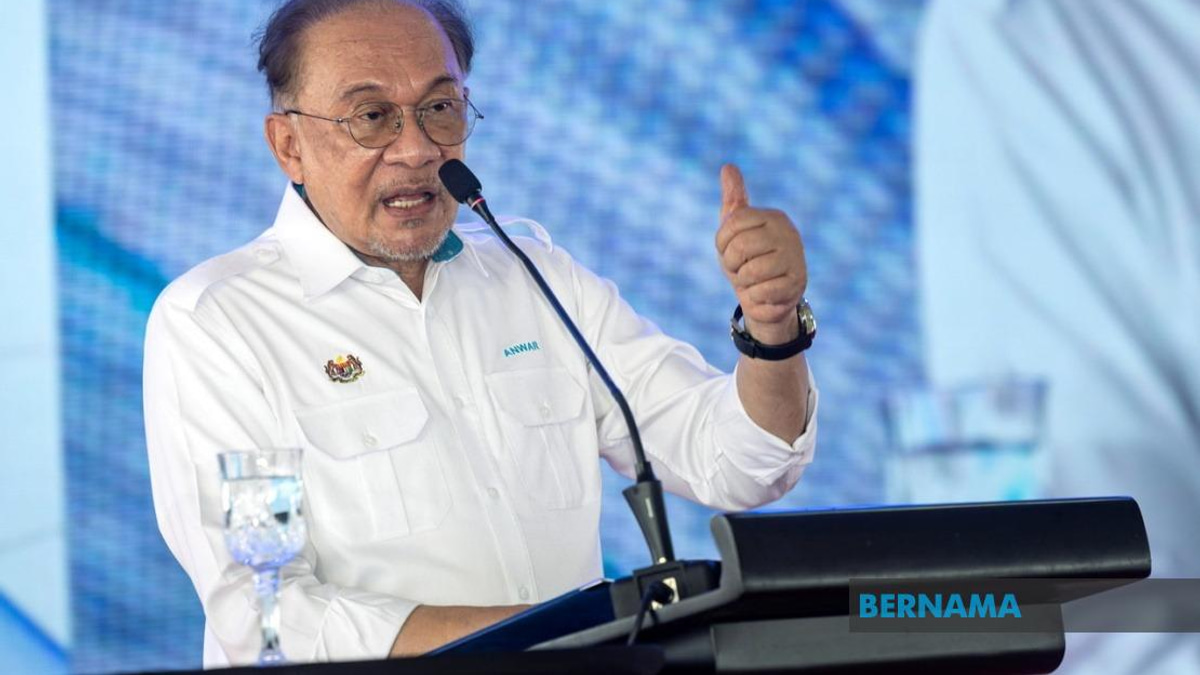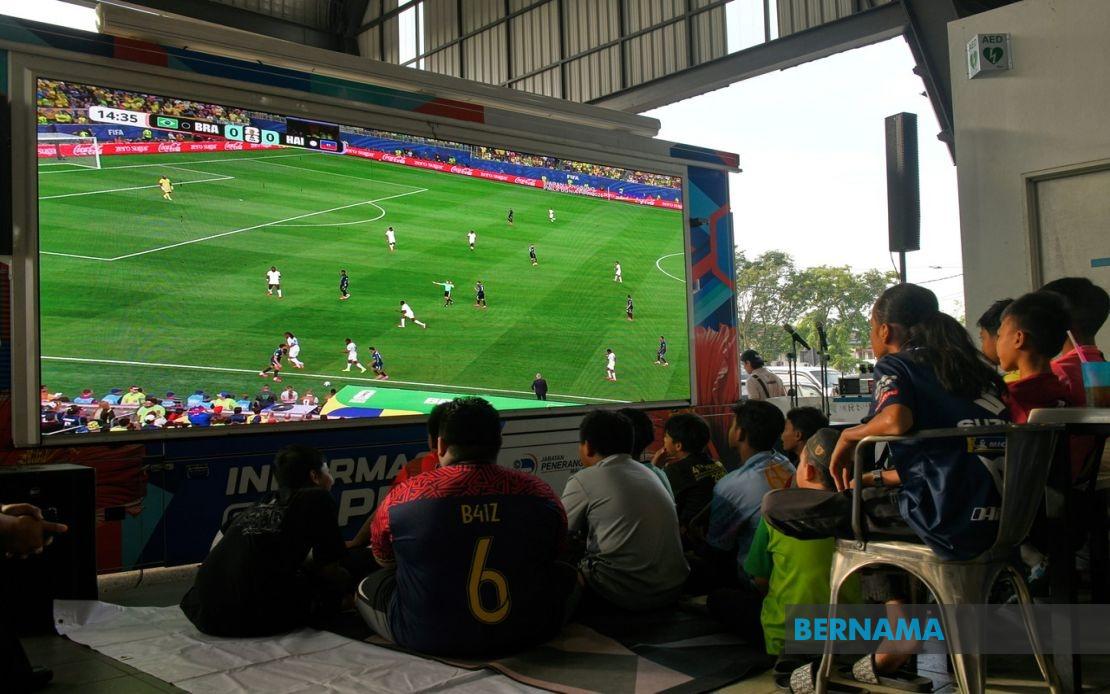
The Malaysian government's decision to provide free access to 2026 FIFA World Cup matches through state broadcaster Radio Televisyen Malaysia and Unifi TV is generating significant economic relief across the hospitality and consumer sectors, Communications Minister Datuk Fahmi Fadzil said on Thursday. The initiative has resonated strongly with food and beverage operators who traditionally face mounting costs when screening major sporting events to draw customers, a burden that trickles down to the public through higher prices on food and beverages during match broadcasts.
Fahmi made the remarks during a visit to Seberang Jaya Public Market in Butterworth, where he observed the opening half of Brazil's match against Haiti alongside residents and traders. The minister's fieldwork highlighted the practical impact of the broadcasting arrangement, particularly for restaurant and food stall operators who have historically relied on expensive subscription services to air World Cup matches. According to feedback from the Malaysian Muslim Restaurant Owners Association, the free broadcast model represents a watershed moment for many businesses struggling with operational expenses.
One trader confided to Fahmi that the 2026 World Cup marks the first occasion in over twenty years that he has been able to screen the tournament's matches without incurring licensing or subscription fees. This detail underscores how prohibitively expensive broadcast rights have become for small and medium-sized food establishments, effectively pricing many out of what has become a standard customer attraction strategy during the World Cup season. By removing this financial barrier through RTM, RTMKlik, and Unifi TV, the government has democratised access to one of sport's most watched global events.
The economic implications extend beyond individual traders to the broader food and beverage sector's competitiveness and consumer spending patterns. When restaurants and food courts must absorb high broadcast costs, those expenses typically manifest as inflated menu prices, reduced profit margins, or diminished customer traffic due to uncompetitive pricing. The free broadcast initiative disrupts this cycle, potentially allowing operators to either maintain pricing stability or redirect savings toward other operational improvements such as staff wages or ingredient quality. For consumers, particularly lower and middle-income households for whom restaurant visits represent discretionary spending, the removal of price inflation driven by broadcast licensing creates genuine relief.
Fahmi framed the initiative as part of a broader government commitment to alleviating cost pressures on both businesses and residents. He emphasized that the visibility of such programmes depends on effective communication and on-the-ground verification, which explains his deliberate presence at the Seberang Jaya market. This approach signals a government effort to ensure that policy announcements translate into tangible public benefit rather than remaining abstract administrative gestures. The minister's engagement with traders also served a secondary intelligence-gathering purpose, allowing direct assessment of business conditions beyond what official reports typically capture.
During his market visit, Fahmi gathered input from traders regarding their operating challenges and expectations for government support at both state and federal levels. He indicated that these findings would be escalated to Prime Minister Datuk Seri Anwar Ibrahim and Penang Chief Minister Chow Kon Yeow, creating a potential feedback loop between street-level traders and senior policymakers. This participatory approach to governance, while not novel, remains uncommon enough that its explicit endorsement by a cabinet minister suggests a deliberate strategic shift toward responsive administration.
Beyond the immediate economic relief, Fahmi referenced the persistent fallout from regional geopolitical tensions, particularly the conflict in West Asia, which continues exerting upward pressure on input costs for Malaysian businesses. Increased freight rates, elevated commodity prices, and supply chain disruptions stemming from Middle Eastern instability have created a compounding cost crisis for small traders already navigating inflationary pressures. In this context, eliminating broadcast licensing costs represents one of the few direct government interventions capable of providing immediate, measurable relief without requiring fiscal outlays or subsidy programmes.
The minister called for expanded engagement by political representatives at all levels—ministers, Members of Parliament, and state assemblymen—to observe firsthand how regional and global economic forces translate into hardship at the street level. This exhortation reflects a recognition that policy effectiveness depends partly on policymakers' understanding of implementation realities and on traders' perception that their concerns are acknowledged by elected officials. Such visible engagement builds political capital while simultaneously generating valuable intelligence for governance.
For Malaysian sports fans and consumers, the World Cup broadcast initiative carries broader significance within regional media and content strategies. Throughout Southeast Asia, access to premium sporting content remains deeply unequal, with substantial populations unable to afford subscription services. Malaysia's choice to provide free broadcasts demonstrates that alternative models exist, potentially influencing how other regional governments approach major sporting events. The precedent may also influence future negotiations between broadcasters and governments regarding public interest obligations and pricing structures.
The convergence of economic pragmatism, political communication, and social benefit in this broadcasting initiative illustrates how seemingly narrow decisions about sports media access can generate ripple effects across consumer behavior, business operations, and political perceptions. By removing a specific cost barrier during a high-engagement event like the World Cup, the government creates a visible demonstration of responsiveness to grassroots economic pressures. Whether this initiative expands to cover other major sporting events or influences broader media policy remains to be seen, but its reception among traders suggests that further demand for similar arrangements will likely surface among affected business communities throughout Malaysia.

%22%2F%3E%3C%2Fpattern%3E%3C%2Fdefs%3E%3Crect%20width%3D%22100%25%22%20height%3D%22100%25%22%20fill%3D%22url(%23ph523ndg)%22%2F%3E%3Crect%20width%3D%22100%25%22%20height%3D%22100%25%22%20fill%3D%22url(%23ph523ndp)%22%2F%3E%3Ctext%20x%3D%2250%25%22%20y%3D%2250%25%22%20text-anchor%3D%22middle%22%20dominant-baseline%3D%22central%22%20fill%3D%22rgba(255%2C255%2C255%2C0.95)%22%20font-family%3D%22Georgia%2C%20'Times%20New%20Roman'%2C%20serif%22%20font-weight%3D%22700%22%20font-size%3D%22272%22%20letter-spacing%3D%22-0.02em%22%3EAnwar%3C%2Ftext%3E%3C%2Fsvg%3E)