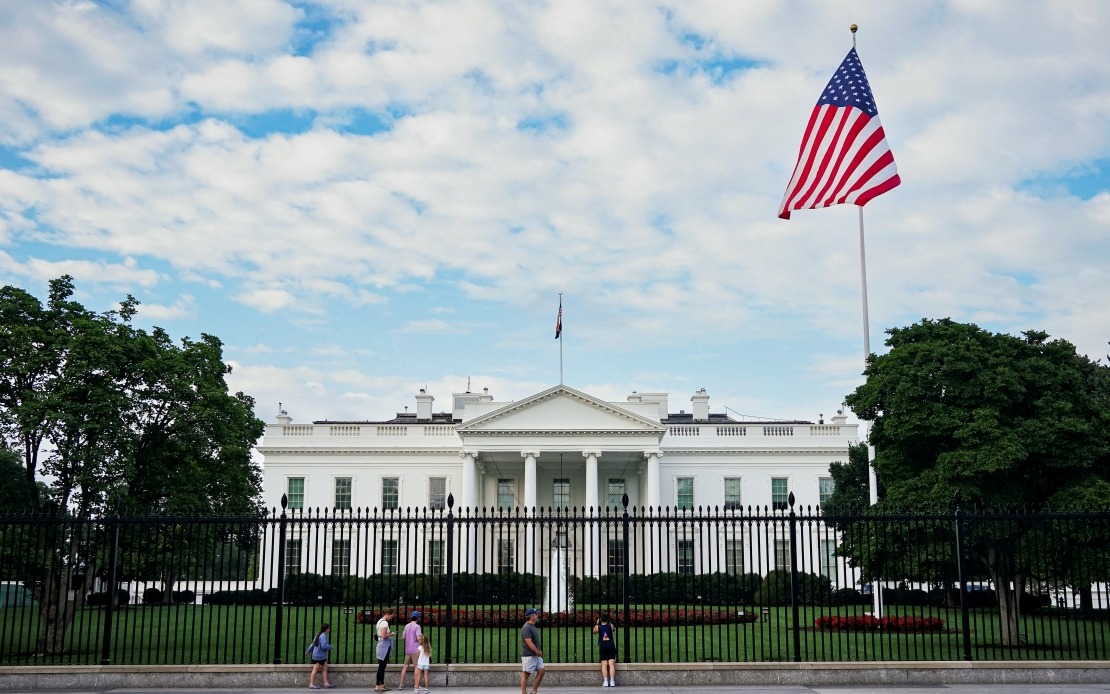
American law enforcement has successfully prevented what officials describe as a coordinated attack targeting the UFC America 250 event held at the White House on Sunday, marking a significant security operation during a high-profile celebration of President Donald Trump's 80th birthday and the nation's 250th anniversary. FBI Director Kash Patel disclosed the foiled plot on Tuesday through a social media announcement, indicating that authorities had identified and arrested multiple individuals connected to the alleged scheme.
The investigation commenced on June 10 when the FBI and partner law enforcement agencies detected the potential threat, according to Patel's statement posted on platform X. Investigators worked swiftly to identify suspects residing outside the Washington, D.C. area, moving to apprehend them before they could act. By Monday, five individuals had been taken into custody, though officials cautioned that the investigation had uncovered a broader network of approximately 23 people potentially involved in the plotting process.
According to details provided to Fox News by law enforcement officials, the alleged attack strategy employed sophisticated methods to maximise casualties and chaos. The purported plan involved deploying explosives-laden drones to target buildings situated near the venue, creating a triggering event designed to provoke mass panic and rapid evacuation. The plotters allegedly positioned snipers at strategic locations, calculating that frightened crowds would be herded toward these pre-positioned shooter teams during the confusion. This multi-stage approach suggested a level of coordination and planning that alarmed security officials.
The investigation revealed disturbing evidence of a second wave of attacks that may have been planned to follow the initial assault. According to officials, perpetrators allegedly intended to breach the White House gates once the primary attack had overwhelmed security responses and created widespread confusion. Such a coordinated, multi-phase assault would have represented an extraordinarily dangerous threat to the assembled crowd and the president himself.
The event itself had already proven contentious before security concerns emerged. Two Virginia residents filed legal challenges arguing that hosting a cage-fighting championship on the White House South Lawn was unconstitutional and violated established protocols for the presidential residence. However, on Friday, a federal judge in the US District Court for the District of Columbia rejected the motion to halt proceedings, permitting the event to proceed as planned. Despite the controversy, approximately 4,000 spectators attended the unprecedented show, which blended entertainment with patriotic commemoration.
The foiled plot sits within a troubling pattern of escalating political violence affecting the United States. In April, another individual armed with guns and knives penetrated a security checkpoint at the White House Correspondents' Dinner with the intention of assassinating the president. That incident resulted in criminal charges and raised serious questions about perimeter security at high-profile Washington gatherings. The recurring nature of such threats has prompted law enforcement to adopt increasingly aggressive postures when vetting intelligence and identifying suspicious individuals.
For Malaysian and Southeast Asian observers, this incident underscores the complex security challenges confronting democracies hosting large public events with political significance. The sophistication of the alleged plot—involving drone technology, sniper positioning, and coordinated multi-stage operations—reflects how evolving technologies have expanded the tactical possibilities available to those intent on causing harm. Many regional governments face comparable pressures when organising major national celebrations or events hosting international dignitaries.
The scale of the suspected network, with 23 people identified as part of the potential plot structure, suggests that recruitment and coordination of such operations may occur across geographic boundaries through digital channels. This reality has implications for international intelligence-sharing protocols and cross-border security cooperation, particularly as nations work to prevent radicalisation and violent extremism targeting political figures and public venues.
The successful dismantling of this plot reflects the intensive surveillance, intelligence analysis, and rapid response capabilities that American law enforcement maintains for protecting presidential events and critical infrastructure. However, the emergence of the threat itself demonstrates that no security apparatus can entirely eliminate risks posed by determined actors. The balance between maintaining open, democratic processes and implementing necessary protective measures remains a perpetual challenge for elected governments worldwide.