A tragic incident in Rajasthan's Dholpur district has once again brought the scourge of honour killings to public attention, with authorities investigating the deaths of two young women who police suspect were deliberately thrown into a river by members of their own family. The alleged crime took place near Sagarpada Bridge in the early hours of June 11, casting a dark shadow over the district and raising fresh concerns about the persistence of such practices in parts of India despite legal prohibitions.
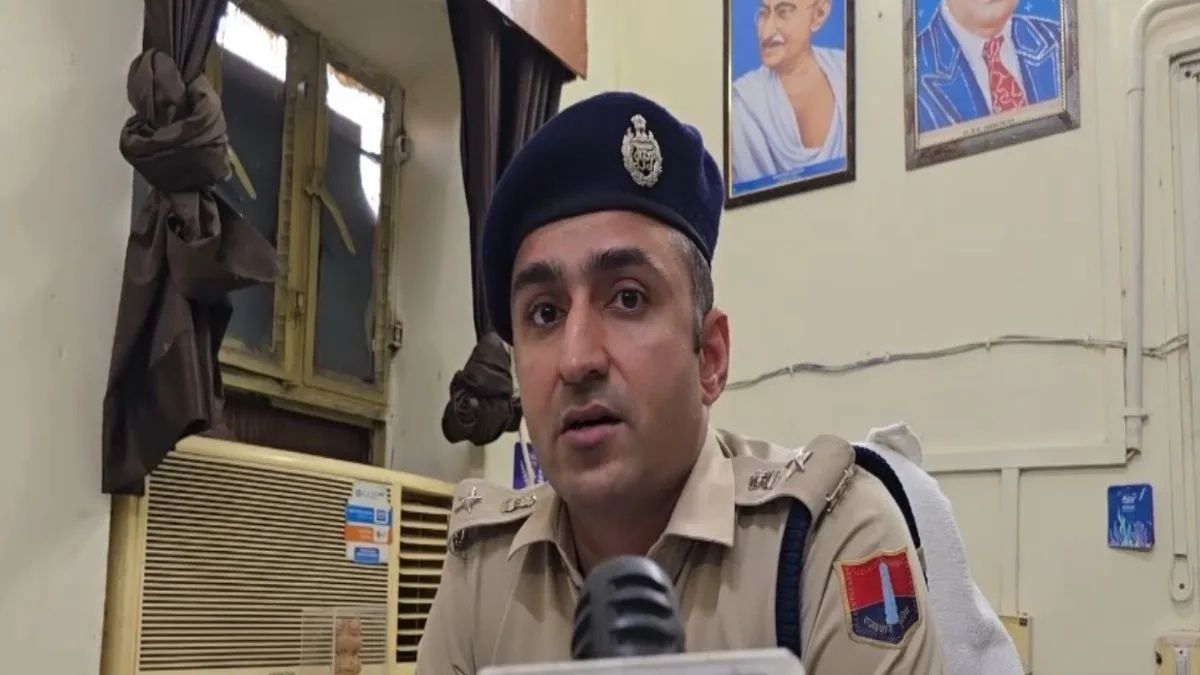
The investigation centres on Bharat Lodha, a resident of Pharakpur village and father of four, who has been named as the primary suspect in connection with the deaths of two of his daughters. Police received credible information that prompted them to launch inquiries, eventually leading to the discovery of the bodies in the river. Superintendent of Police Vikas Sangwan confirmed that the case is being treated as a suspected honour killing, one of the most heinous categories of crimes under Indian law, reflecting a violation of both fundamental human rights and constitutional protections.
According to preliminary investigations, the tragic deaths stem from the young women's romantic relationships, which their family allegedly found unacceptable and contrary to their social or cultural values. This motive places the case squarely within the disturbing pattern of honour killings that continue to occur across India, despite widespread legal reforms and social advocacy efforts. The family's apparent determination to prevent these relationships at any cost demonstrates the extreme measures some conservative family structures resort to when faced with choices they deem incompatible with family honour or reputation.
Police have established that the incident occurred between 9 and 10 o'clock in the evening on June 11, though investigators continue to verify the precise timing. The choice of Sagarpada Bridge as the location suggests premeditation, as the family members allegedly took their daughters to this remote spot under circumstances that authorities are still piecing together. The systematic nature of the alleged crime indicates planning and coordination among multiple family members, transforming what should have been a family unit into an instrument of violence.
The investigation has expanded to include not just Bharat Lodha but several other relatives as suspects, suggesting that this was not an act of impulse but rather a family conspiracy. Police teams are meticulously reconstructing the events leading up to the alleged murders, examining crucial details such as how the victims were transported to the bridge, who accompanied them, and what mode of vehicle was used. These investigative threads will prove critical in establishing the full chain of culpability and determining precisely which family members played active roles in the alleged crime.
Sangwan emphasised that while initial findings point strongly towards the honour killing hypothesis, the investigation remains ongoing with numerous aspects still requiring verification. This cautious approach reflects the complexity of such cases, where establishing legal proof beyond reasonable doubt requires painstaking work. The officer indicated that the modus operandi, the specific route taken, the timing of events, and the identities of all individuals involved remain subjects of active inquiry as police continue to gather forensic evidence and witness statements.
The persistence of honour killings in regions of India, including Rajasthan, reflects deep-rooted social tensions between traditional patriarchal structures and the constitutional rights of young people to make autonomous life choices. Despite the Indian Penal Code containing specific provisions against honour killings and several states introducing specialised laws to combat the practice, such incidents continue to occur with tragic regularity. The Dholpur case exemplifies how family networks can become sites of extreme violence when members assert independence in matters of romantic partnership or marriage.
For Malaysian observers, this case resonates with broader regional concerns about protecting vulnerable individuals within family structures and ensuring that cultural or religious traditions do not become pretexts for violence. While Malaysia has different legal frameworks and a more diverse social context, honour-based violence remains a concern that transcends national boundaries and affects communities across South and Southeast Asia. The case underscores the importance of robust legal protections, effective law enforcement responses, and community awareness initiatives that prioritise individual safety over claims of family honour.
The ongoing investigation in Dholpur represents the Indian criminal justice system's attempt to hold perpetrators accountable while simultaneously addressing the underlying social factors that enable such crimes. Police indicated that legal action will follow based on investigation findings, likely involving charges under sections of the IPC related to murder and potentially provisions specifically addressing honour killings. However, prosecution alone cannot prevent such incidents; addressing the social attitudes and family structures that enable honour-based violence requires concurrent efforts in education, community engagement, and cultural transformation.
The case also highlights the vulnerability of young women who exercise agency in matters of the heart, particularly in conservative social contexts where family control over marriage and relationships remains paramount. The alleged victims in this case paid the ultimate price for asserting their right to choose their romantic partners, a right that should be inviolable. As the investigation proceeds and more details emerge, this tragic incident will likely become a touchstone for discussions about gender justice, family rights, and the limits of cultural or familial authority over individual life choices across the region.