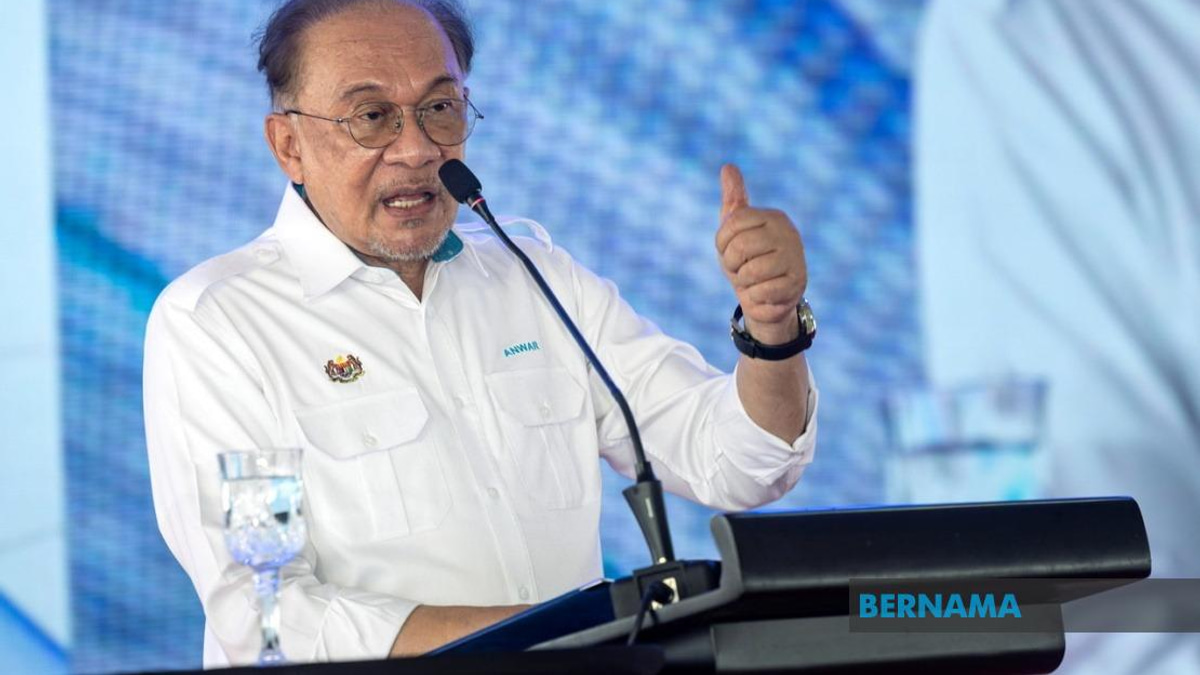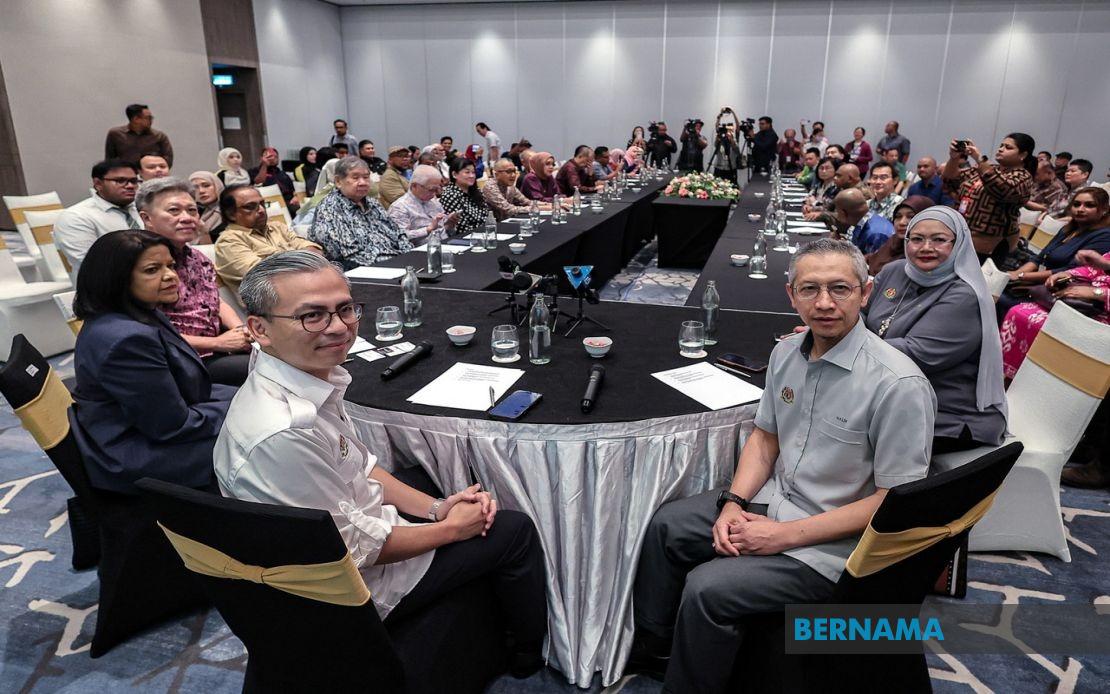
Communications Minister Datuk Fahmi Fadzil has unveiled plans to make media retreats a permanent fixture of Malaysia's National Journalists' Day celebrations, creating a formal channel for the government to engage directly with the media industry on critical issues affecting the sector. Speaking at a dialogue session in Butterworth on June 20 during HAWANA 2026, Fahmi described the proposed retreat format as a structured mechanism for gathering candid feedback, professional insights, and concrete recommendations from media practitioners that could inform policy development and legislative reform.
The minister indicated that his office would coordinate with the Malaysian Media Council to manage the logistics and administrative arrangements of these retreat sessions, ensuring they maintain quality and consistency across future iterations of the National Journalists' Day commemoration. By institutionalising such engagement through an established institutional partner rather than ad-hoc government initiatives, the proposal suggests an attempt to create continuity and demonstrate sustained commitment to the media sector's concerns beyond individual ministerial tenures or annual political cycles.
Fahmi framed the proposed retreats as a vehicle for addressing structural challenges within the media industry that extend beyond immediate commercial considerations. The sessions would provide a formal platform for practitioners to raise concerns regarding regulatory amendments, the legislative environment governing media operations, and systemic issues affecting the long-term health and commercial viability of traditional journalism. This framing acknowledges that media sustainability requires coordinated attention to policy, regulatory, and market dynamics rather than isolated interventions by government or industry actors.
The dialogue session itself drew participation from senior government officials including Communications Ministry secretary-general Datuk Abdul Halim Hamzah and deputy secretary-general Datuk Bahria Mohd Tamil, alongside leadership from key media institutions. The presence of Malaysian National News Agency chairman Datuk Seri Wong Chun Wai, Bernama chief executive officer Datin Paduka Nur-ul Afida Kamaludin, and MMC chairman Tan Sri Nallini Pathmanathan underscored the high-level engagement and the government's apparent prioritisation of structured dialogue with the media establishment.
A central concern animating this initiative appears to be the economic sustainability of mainstream media in an environment where digital platforms have fundamentally altered content distribution and monetisation models. Fahmi specifically highlighted the challenge faced by traditional media organisations in generating revenue from content published on social media platforms, noting that such distribution frequently yields no financial return or profit to content creators. This gap between audience reach and revenue generation has become a defining structural problem for news organisations globally and represents a critical vulnerability for Malaysia's media sector.
In response to this challenge, Fahmi signalled the government's willingness to facilitate dialogue between Malaysian media organisations and international social media platforms regarding compensation models and fair value exchange. The minister indicated that while substantive negotiations would necessarily occur between industry players and technology companies, the government stands ready to provide administrative support and lend weight to these discussions. This positioning suggests recognition that direct government intervention in platform economics carries risks, yet simultaneous acknowledgment that the market alone appears insufficient to resolve the revenue crisis facing traditional media.
The proposal reflects broader tensions within Southeast Asian media ecosystems where digital disruption has outpaced policy adaptation and where governments struggle to balance supporting domestic journalism with avoiding perceptions of media capture or censorship. Malaysia's experience mirrors challenges across the region where platforms have accumulated vast audiences and advertising revenue while traditional news organisations contract. The formal retreat structure offers a venue for airing these grievances while potentially generating policy recommendations that could reshape the regulatory or commercial environment.
By establishing retreats as recurring features rather than one-off consultations, the government appears to be signalling long-term commitment to treating media sustainability as an ongoing governance concern rather than a periodic problem requiring crisis intervention. The decision to lodge coordination responsibilities with the Malaysian Media Council rather than retaining direct government control suggests an effort to depoliticise the process and lend legitimacy through an ostensibly independent institutional intermediary. This approach may be calculated to encourage candid feedback that participants might otherwise withhold in direct government settings.
The timing of this proposal during HAWANA 2026, amid what appears to be a period of government-media relations characterised by formal engagement rather than confrontation, offers a window for the media industry to articulate structural concerns and policy preferences. The retreat framework potentially provides journalists and media executives with annual opportunities to collectively advocate for regulatory reforms, fiscal support measures, or market interventions that individual organisations might hesitate to pursue separately. Whether such recommendations subsequently translate into substantive government action remains contingent on political calculations and competing policy priorities.
For Malaysian readers and regional observers, the proposal signals an official acknowledgment that journalism's financial crisis requires policy attention and that government-media collaboration, despite historical tensions, may be necessary to preserve functioning news ecosystems. The retreat mechanism represents neither radical intervention nor laissez-faire disregard, but rather a gradualist approach to formalising consultation on media sector challenges. Whether this framework ultimately generates meaningful reforms or functions primarily as a symbolic gesture demonstrating governmental concern will become apparent through the concrete outcomes and policy developments that follow future retreat sessions.

%22%2F%3E%3C%2Fpattern%3E%3C%2Fdefs%3E%3Crect%20width%3D%22100%25%22%20height%3D%22100%25%22%20fill%3D%22url(%23ph523ndg)%22%2F%3E%3Crect%20width%3D%22100%25%22%20height%3D%22100%25%22%20fill%3D%22url(%23ph523ndp)%22%2F%3E%3Ctext%20x%3D%2250%25%22%20y%3D%2250%25%22%20text-anchor%3D%22middle%22%20dominant-baseline%3D%22central%22%20fill%3D%22rgba(255%2C255%2C255%2C0.95)%22%20font-family%3D%22Georgia%2C%20'Times%20New%20Roman'%2C%20serif%22%20font-weight%3D%22700%22%20font-size%3D%22272%22%20letter-spacing%3D%22-0.02em%22%3EAnwar%3C%2Ftext%3E%3C%2Fsvg%3E)