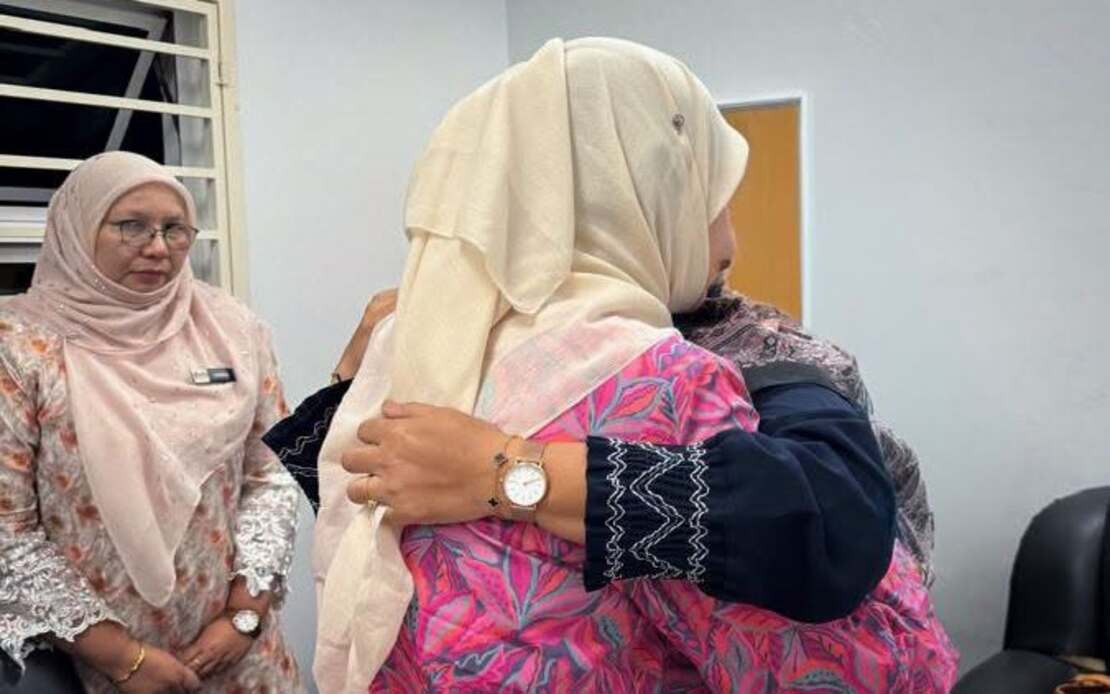
Education Minister Fadhlina Sidek has appealed to the public to extend compassion and sensitivity towards the family of a 16-year-old student who passed away at a school in Negeri Sembilan on Wednesday morning. In a statement released through social media, Fadhlina expressed her condolences while emphasising the importance of allowing the grieving family space to process their loss during this unprecedented time of tragedy.
The minister's intervention comes as authorities conduct a thorough investigation into the circumstances surrounding the student's death. The Education Ministry has committed to providing unreserved assistance to the investigative process led by the Royal Malaysia Police, ensuring that all relevant details are properly documented and analysed. This collaborative approach underscores the seriousness with which the government takes matters involving student welfare and school safety.
In her statement, Fadhlina extended her sympathies to the deceased student and her loved ones, invoking spiritual solace through Islamic prayers. She conveyed hope that the family would find strength and patience during this profoundly difficult period, acknowledging the immense emotional burden that such an unexpected loss places on those closest to the child. Her remarks reflected the broader concern within Malaysia's education sector regarding student wellbeing and the pastoral responsibilities schools bear.
The Education Ministry's response has been multifaceted and immediate. Beyond Fadhlina's public statement, both she and Education Director-General Datuk Dr Mohd Azam Ahmad made a personal visit to Rembau Hospital to meet with the student's family face-to-face. This hands-on approach demonstrates the ministry's commitment to providing direct support and demonstrating governmental solidarity during moments of national tragedy.
Such incidents resonate deeply within Malaysia's education ecosystem, which serves millions of students across the nation. Schools function not merely as centres of academic learning but as sanctuaries where parents entrust their children's physical and emotional safety. When unexpected deaths occur within school premises or involving school-related activities, they inevitably spark broader discussions about pastoral care, mental health support, and institutional safeguarding mechanisms. The swift ministerial response signals awareness of these wider implications.
The timing of such appeals for public sensitivity and restraint is particularly important in an era where information spreads rapidly through social media and digital platforms. Speculation and unverified accounts can compound family trauma and complicate investigative efforts. By explicitly requesting that the public grant the family privacy, Fadhlina sought to create an environment conducive to both grieving and thorough investigation, recognising that responsible public conduct is essential when tragedies unfold.
School-related incidents affecting minors have historically triggered intense public interest and scrutiny in Malaysia, sometimes leading to premature conclusions or unhelpful speculation. The minister's emphasis on respecting the investigation's integrity and the family's emotional needs reflects lessons learned from previous similar situations. Allowing authorities to work without external pressure and enabling families to grieve without intrusive media attention represents a more humane and ultimately more effective approach to such crises.
The education sector in Malaysia has increasingly prioritised student mental health and wellbeing in recent years, particularly following the challenges presented by the COVID-19 pandemic. Schools have expanded counselling services and trained staff in recognising signs of distress among students. Deaths involving young people often prompt broader reviews of existing support systems and sometimes catalyse policy improvements across institutions. This incident will likely prompt reflection on current safeguarding protocols within Negeri Sembilan schools and potentially beyond.
For parents and students nationwide, such tragedies serve as sobering reminders of the fragility of life and the importance of open communication within families about mental health and emotional wellbeing. Schools serve as environments where young people navigate complex social dynamics, academic pressures, and developmental challenges. The presence of robust support systems, attentive educators, and accessible counselling becomes even more critical in light of such incidents.
The police investigation will be crucial in determining the circumstances surrounding the student's death and may reveal whether any systemic factors contributed to the tragedy. Whether the investigation points to health-related causes, mental health challenges, or other factors, the findings will inform how schools and the ministry address student welfare moving forward. The commitment to a thorough, impartial investigation demonstrates the government's recognition that understanding what occurred is essential for preventing similar tragedies.
As this investigation progresses, the Education Ministry's initial focus on supporting the family while facilitating the police inquiry sets an appropriate tone. The call for public restraint and sensitivity recognises that behind the headlines is a family experiencing profound loss, alongside a community searching for answers. This balanced approach—combining accountability through investigation with compassion for those affected—reflects the standards expected of institutions responsible for young people's safety and development.

%22%2F%3E%3C%2Fpattern%3E%3C%2Fdefs%3E%3Crect%20width%3D%22100%25%22%20height%3D%22100%25%22%20fill%3D%22url(%23ph523ndg)%22%2F%3E%3Crect%20width%3D%22100%25%22%20height%3D%22100%25%22%20fill%3D%22url(%23ph523ndp)%22%2F%3E%3Ctext%20x%3D%2250%25%22%20y%3D%2250%25%22%20text-anchor%3D%22middle%22%20dominant-baseline%3D%22central%22%20fill%3D%22rgba(255%2C255%2C255%2C0.95)%22%20font-family%3D%22Georgia%2C%20'Times%20New%20Roman'%2C%20serif%22%20font-weight%3D%22700%22%20font-size%3D%22272%22%20letter-spacing%3D%22-0.02em%22%3EAnwar%3C%2Ftext%3E%3C%2Fsvg%3E)