%22%2F%3E%3C%2Fpattern%3E%3C%2Fdefs%3E%3Crect%20width%3D%22100%25%22%20height%3D%22100%25%22%20fill%3D%22url(%23ph3zuwog)%22%2F%3E%3Crect%20width%3D%22100%25%22%20height%3D%22100%25%22%20fill%3D%22url(%23ph3zuwop)%22%2F%3E%3Ctext%20x%3D%2250%25%22%20y%3D%2250%25%22%20text-anchor%3D%22middle%22%20dominant-baseline%3D%22central%22%20fill%3D%22rgba(255%2C255%2C255%2C0.95)%22%20font-family%3D%22Georgia%2C%20'Times%20New%20Roman'%2C%20serif%22%20font-weight%3D%22700%22%20font-size%3D%22136%22%20letter-spacing%3D%22-0.02em%22%3EDeveloping%3C%2Ftext%3E%3C%2Fsvg%3E)
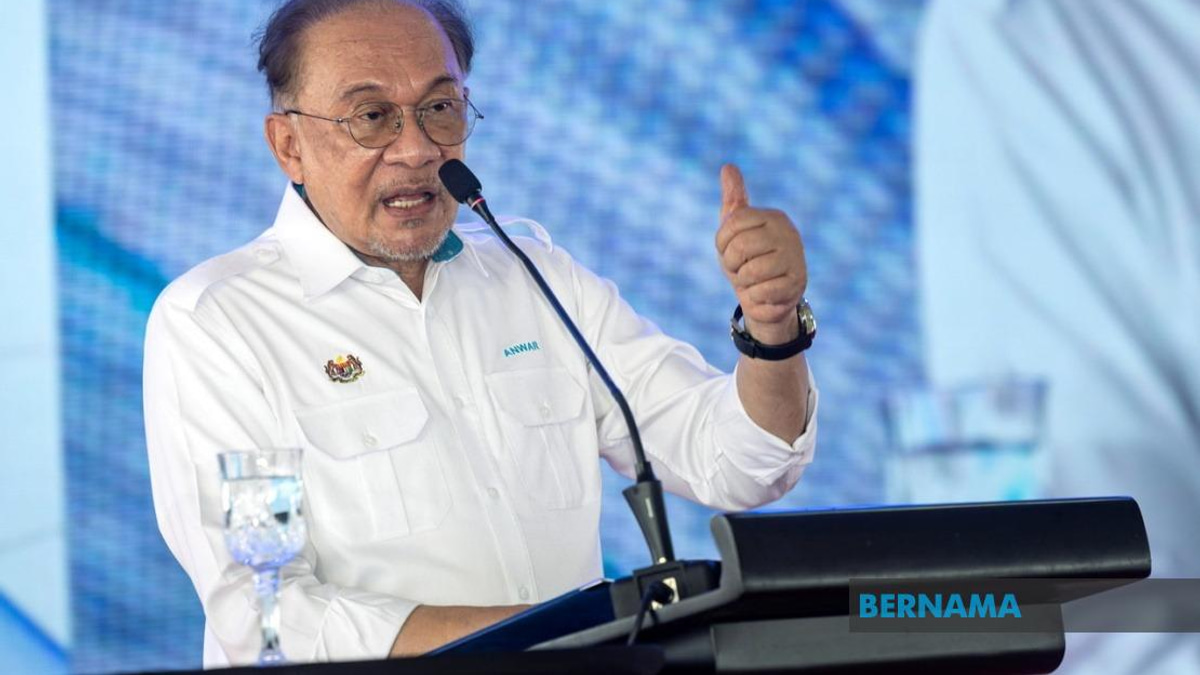
Malaysia's Prime Minister Datuk Seri Anwar Ibrahim has delivered a pointed message to European capitals: developing nations possess alternatives and will not hesitate to seek them out if their interests are repeatedly sidelined in global affairs. Speaking from Kuala Lumpur on June 19, Anwar articulated a growing frustration among emerging economies about their perceived marginalisation in international decision-making frameworks, signalling that the post-Cold War order in which the Global North wielded disproportionate influence faces an erosion of compliance from rising powers.
The Malaysian leader's statement reflects a broader strategic recalibration unfolding across Southeast Asia and the wider developing world. For decades, nations in the region have operated within international structures shaped largely by Western preferences and institutional designs. Yet the balance of global economic power has shifted markedly. The emergence of alternative financial mechanisms, bilateral trade corridors, and non-Western institutional frameworks has given developing countries genuine choices previously unavailable to them. Anwar's warning represents an explicit articulation of what many policymakers have long understood: that coercive or dismissive engagement from traditional Western partners now carries real costs.
The timing of Anwar's remarks carries significance. Malaysia has historically sought to balance relationships across multiple powers while maintaining strategic autonomy. Under Anwar's leadership, the government has pursued pragmatic foreign policy that neither excludes Europe nor privileges it at the expense of other partnerships. This stance reflects Malaysia's position as a middle-income nation with interests that span multiple regions and spheres of influence. When the Prime Minister speaks of alternatives, he speaks with the credibility of someone actively cultivating them, whether through deepening ties with China, strengthening ASEAN unity, or engaging with India and other Global South players.
Developing nations have legitimate grievances about international representation and treatment. Trade negotiations frequently reflect power asymmetries, with richer nations able to set terms that advantage their industries and corporations. Climate finance commitments made by developed countries have consistently fallen short of pledges, placing disproportionate burdens on nations least responsible for environmental degradation. Decisions made in forums where developing countries lack meaningful representation nonetheless shape their economic and security landscapes. Anwar's intervention addresses this accumulated frustration in language European policymakers cannot dismiss.
The Prime Minister's warning also speaks to Malaysia's own strategic interests. As a nation deeply integrated into global supply chains, Malaysia benefits from rules-based international commerce. However, it has no interest in a rules-based order that privileges certain nations while constraining others. Malaysia seeks an international system where competitive advantage flows from genuine comparative strength rather than from institutional bias favouring wealthy nations. Europe, historically a major trading partner and investor in Malaysia, remains important but no longer indispensable in the way it once was.
Anwar's position reflects a shift in how developing nations view their leverage in international relations. Where previous generations of leaders might have accepted unfavourable terms as the price of admission to Western-led institutions, contemporary policymakers in Kuala Lumpur and throughout the Global South recognise that their cooperation and compliance should command reciprocal respect. This represents not a rejection of engagement with Europe or Western nations more broadly, but rather a demand for genuine partnership rather than subordinate participation.
The implicit alternatives to which Anwar alludes are substantive. China's Belt and Road Initiative, despite its controversies, has provided developing nations with infrastructure financing when Western multilateral institutions moved slowly. Regional development banks have proliferated, offering capital without the governance conditionalities attached to traditional sources. Trade partnerships have diversified away from historical Western-centric patterns. For Southeast Asia specifically, the ASEAN Economic Community has created a significant regional marketplace, while ASEAN's centrality in regional forums has given member states like Malaysia greater negotiating power in dealings with larger powers.
For European policymakers, Anwar's intervention serves as a reminder that continued influence requires demonstrating respect for developing nations' concerns and interests. Europe possesses significant strengths: advanced technology, high-quality higher education, strong legal institutions, and considerable capital. These assets remain valuable to developing nations. However, they are no longer monopolies. The European competitive advantage rests increasingly on whether European nations can engage with developing countries as genuine partners in solving mutual challenges rather than as supplicants requiring entry into Western-designed systems.
The practical implications for Malaysia and Southeast Asia are multifaceted. European countries that take Anwar's warning seriously may find themselves at an advantage in securing trade agreements, investment opportunities, and diplomatic cooperation in the region. Those dismissing the concern may find themselves marginalised. For Malaysian policymakers, the statement reinforces that strategic autonomy remains a central organizing principle, and that relationships with all major powers must be calibrated to reflect Malaysia's own assessment of national interests rather than external pressure.
Anwar's remarks also carry significance for ASEAN as a collective bloc. The association's centrality to regional and increasingly global affairs depends on member states retaining strategic options. When one major power feels it can dictate terms to ASEAN, regional unity becomes strained. Conversely, when multiple powers compete for ASEAN's friendship and cooperation, the bloc's relevance and bargaining power increase. By signalling that developing nations possess alternatives, Anwar reinforces ASEAN's structural importance in contemporary international relations and Malaysia's value as a thoughtful voice within the grouping.
Moving forward, the question for Europe is whether it will adjust its approach to developing nations or whether it will treat Anwar's warning as rhetorical. The Prime Minister's credibility rests partly on Malaysia's demonstrated willingness to diversify its partnerships in recent years. European policymakers would be unwise to assume that such warnings lack substance. In an international system increasingly characterized by multipolarity and genuine competition for influence, the days of assuming automatic compliance from developing nations have definitively passed. Anwar's statement serves as notice that Malaysia and nations like it expect relationships based on mutual respect and reciprocal benefit—or they will look elsewhere.

%22%2F%3E%3C%2Fpattern%3E%3C%2Fdefs%3E%3Crect%20width%3D%22100%25%22%20height%3D%22100%25%22%20fill%3D%22url(%23ph523ndg)%22%2F%3E%3Crect%20width%3D%22100%25%22%20height%3D%22100%25%22%20fill%3D%22url(%23ph523ndp)%22%2F%3E%3Ctext%20x%3D%2250%25%22%20y%3D%2250%25%22%20text-anchor%3D%22middle%22%20dominant-baseline%3D%22central%22%20fill%3D%22rgba(255%2C255%2C255%2C0.95)%22%20font-family%3D%22Georgia%2C%20'Times%20New%20Roman'%2C%20serif%22%20font-weight%3D%22700%22%20font-size%3D%22272%22%20letter-spacing%3D%22-0.02em%22%3EAnwar%3C%2Ftext%3E%3C%2Fsvg%3E)