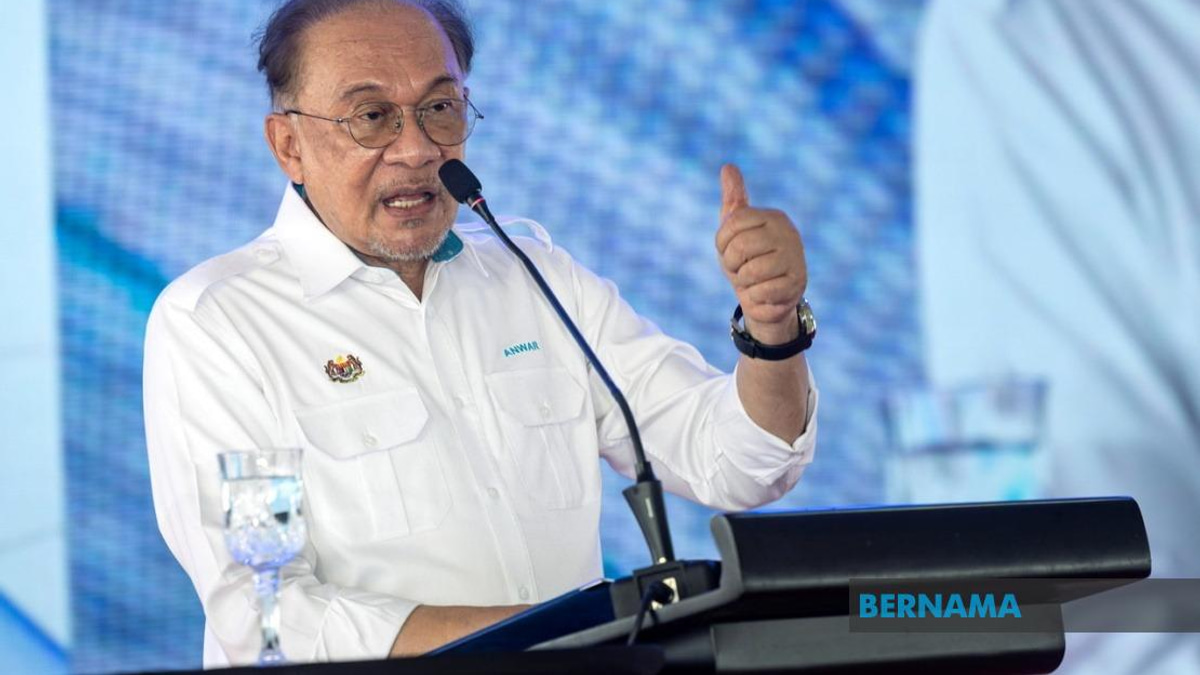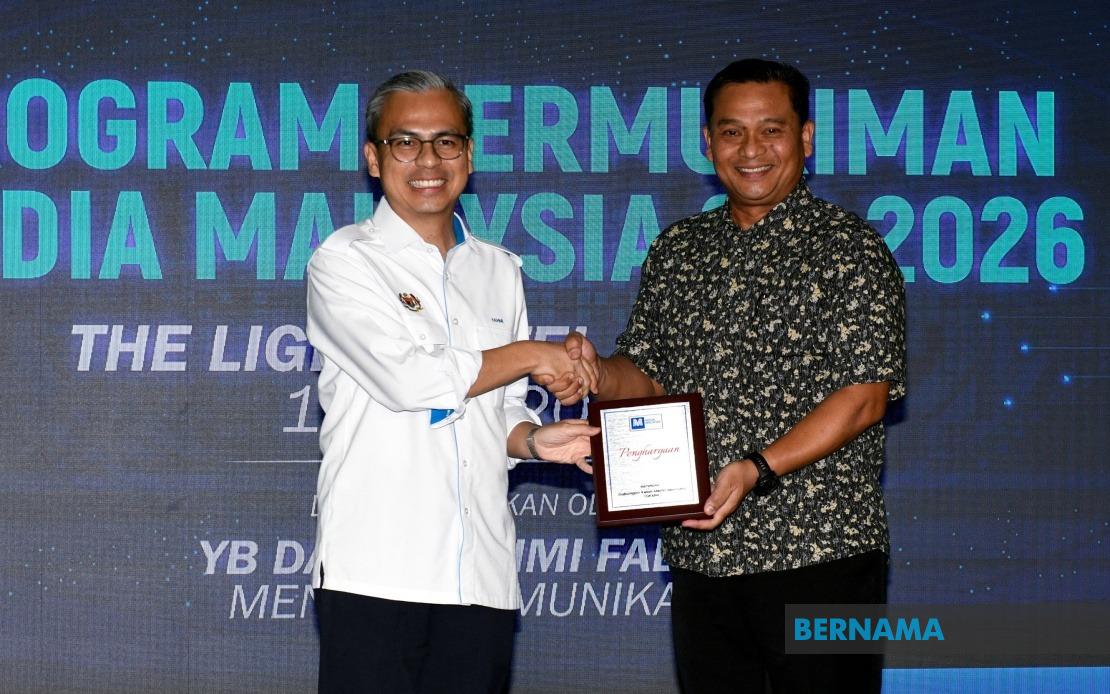
In a move aimed at strengthening the media industry's institutional support network, the Communications Ministry has announced fresh financial allocations to bolster journalists' welfare across the country. At the Malaysia Media Retreat Programme 2.0 in Butterworth, Communications Minister Datuk Fahmi Fadzil unveiled a two-tiered funding scheme that directs RM10,000 to each participating state media club under the Malaysian Media Clubs Association (GKMM), while the association itself receives RM30,000 for nationwide activities and programmes benefiting the profession.
The allocation represents a tangible commitment from the ministry to support journalism practitioners at both grassroots and organisational levels. By distributing funds directly to state-level clubs, the ministry aims to ensure that journalists in different regions have access to resources that can address their specific concerns and welfare needs. The additional grant to GKMM underscores recognition of the association's role as a central coordinating body that can advocate for practitioners' interests and organise activities that strengthen professional standards across Malaysia's media landscape.
Fahmi stressed the importance of judicious utilisation of these resources, urging clubs and the association to deploy the funding in ways that generate maximum benefit for media professionals. The minister's emphasis on purposeful spending suggests an expectation that these grants will be channelled into concrete welfare initiatives, professional development programmes, and activities that address pressing concerns within the journalism community. This approach reflects a broader government strategy of entrusting media organisations with funds while maintaining accountability for their deployment.
The minister placed the funding announcement within a larger narrative about the essential role journalists play in Malaysian society. He characterised news professionals as irreplaceable witnesses to events who gather information from primary sources and transform it through disciplined, experience-based reporting. This framing positions journalism not as a commodity that can be substituted by emerging technologies, but as a fundamental democratic function requiring skilled human practitioners. By emphasising journalism's unique value in the age of artificial intelligence, Fahmi appears to be countering anxiety within the profession about technological displacement.
Centrally, the minister reiterated the government's commitment to preserving journalism employment in Malaysia. He declared that without journalists, there is no news, and positioned job preservation as both a personal commitment and a ministry priority. This language carries particular weight given ongoing challenges in the news industry globally, including declining advertising revenues and newsroom downsizing. For Malaysian media practitioners, the assurance that government prioritises employment stability offers some reassurance about the sector's future, though broader economic pressures on news organisations remain unaddressed.
Acknowledging GKMM's structural limitations, Fahmi noted that while the association operates outside the formal trade union framework, it retains significant capacity to channel practitioners' concerns to policymakers. This observation suggests a pragmatic understanding of how informal associations can function as effective advocacy platforms even without formal labour representation status. By recognising GKMM's advocacy role, the minister effectively validated the association as an intermediary through which the government can monitor and respond to industry concerns.
The minister also indicated that the government intends to continue consulting media practitioners on policy development affecting their sector. He cited the Malaysian Media Council Act as an example, noting that the legislation incorporated substantial input from industry stakeholders during the drafting process. This pattern of consultation suggests an evolving relationship between government and media organisations, one that extends beyond regulatory oversight to encompass collaborative policy formation. For practitioners, such engagement offers opportunities to shape regulations governing their profession.
The funding announcement occurred at a gathering of media leaders and government officials, including Communications Ministry secretary-general Datuk Abdul Halim Hamzah, Malaysian National News Agency (Bernama) chief executive officer Datin Paduka Nur-ul Afida Kamaludin, and Bernama editor-in-chief Arul Rajoo Durar Raj. The presence of senior Bernama leadership underscores the state agency's continued prominence in Malaysia's media ecosystem and its alignment with government communications priorities.
For the broader Malaysian media landscape, these allocations carry modest but symbolic significance. The sums involved, while meaningful for small professional organisations, represent relatively modest public investment in media infrastructure compared to many democracies' support for public broadcasting. Yet the allocation signals governmental acknowledgement that journalists merit institutional support and that professional organisation deserves funding. This is particularly noteworthy in a regional context where press freedom varies significantly and government-media relationships often remain contentious.
The timing and framing of this announcement also merit attention. By announcing support at an industry retreat focused on practitioner engagement, the ministry positioned itself as an ally of journalism professionals rather than merely their regulator. This public relations dimension may be intentional, seeking to build goodwill with media practitioners while simultaneously demonstrating government commitment to the sector. For journalists accustomed to adversarial government relations, such positive engagement represents a notable shift in tone if not necessarily in substantive policy.

%22%2F%3E%3C%2Fpattern%3E%3C%2Fdefs%3E%3Crect%20width%3D%22100%25%22%20height%3D%22100%25%22%20fill%3D%22url(%23ph523ndg)%22%2F%3E%3Crect%20width%3D%22100%25%22%20height%3D%22100%25%22%20fill%3D%22url(%23ph523ndp)%22%2F%3E%3Ctext%20x%3D%2250%25%22%20y%3D%2250%25%22%20text-anchor%3D%22middle%22%20dominant-baseline%3D%22central%22%20fill%3D%22rgba(255%2C255%2C255%2C0.95)%22%20font-family%3D%22Georgia%2C%20'Times%20New%20Roman'%2C%20serif%22%20font-weight%3D%22700%22%20font-size%3D%22272%22%20letter-spacing%3D%22-0.02em%22%3EAnwar%3C%2Ftext%3E%3C%2Fsvg%3E)