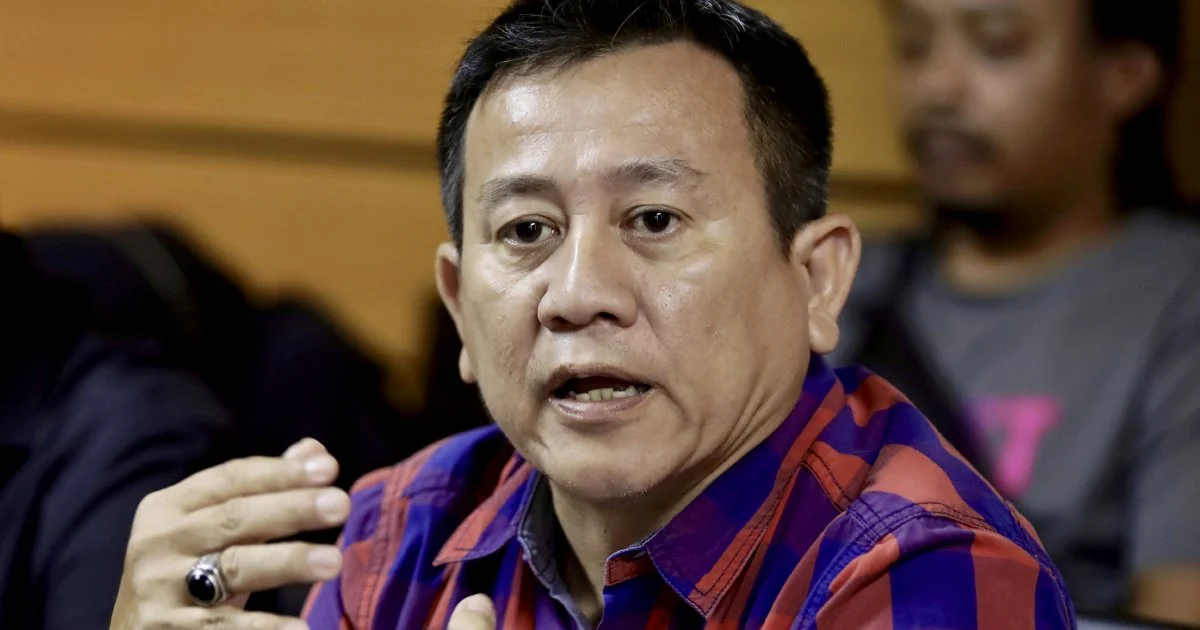
Datuk Tun Faisal Ismail Aziz, who serves as information chief for Bersatu, has made a striking public intervention calling on PAS to reconsider its membership within Perikatan Nasional, the broader coalition that includes both parties alongside several other political entities. The statement represents an unusual moment of internal coalition tension being aired publicly, with the Bersatu figure directly challenging one of PN's most influential components to pursue a fundamentally different political strategy.
The call from the Bersatu leadership raises important questions about the underlying cohesion of the Perikatan Nasional alliance, which has undergone significant evolution since its formation. PAS, as the country's largest Islamic political party with deep organisational roots across the federation, represents a crucial electoral asset for any coalition, but has also proven to be a complex partner whose strategic interests do not always align perfectly with those of other members.
Tun Faisal's suggestion that PAS might consider striking out independently reflects broader concerns about how effectively the current coalition framework serves the interests of individual parties. An independent PAS strategy would allow the party to differentiate itself in the marketplace of ideas and policies without needing to maintain compromises with secular-leaning coalition partners. This option would appeal particularly if PAS leadership believes it can mobilise sufficient voter support on the basis of Islamic governance principles without requiring the infrastructure and resources that coalition membership provides.
Alternatively, the Bersatu official's proposal that PAS establish a new political coalition deserves careful consideration. Rather than operate in isolation, which carries significant risks in Malaysia's competitive multiparty environment, PAS might explore partnerships with other political entities that share greater ideological alignment. Such realignment could potentially create a more cohesive bloc than the current PN arrangement, particularly if parties within that new coalition shared more consistent positions on religious governance and social policy issues.
The remarks highlight underlying strategic divergences that have characterised Perikatan Nasional since its inception. Bersatu, the party to which Tun Faisal belongs, has maintained more developmentally focused political messaging, while PAS has consistently emphasised Islamic principles as central to its platform. These different emphases occasionally create friction when it comes to policy prioritisation and coalition strategy, particularly regarding which issues should receive prominence during election campaigns.
PAS holds considerable leverage within PN due to its established presence in numerous state assemblies and its capacity to mobilise traditional voters, particularly in rural and semi-urban constituencies across Peninsular Malaysia. The party's internal political machinery remains one of the most sophisticated in the country, allowing it to translate organisational strength into electoral performance. This structural advantage means that any decision by PAS regarding its coalition membership would carry substantial consequences for the broader PN project.
The timing and nature of Tun Faisal's public statement warrant examination. Rather than remaining a private discussion between coalition partners, the airing of these concerns publicly signals a degree of frustration with current arrangements and may reflect calculations that exerting public pressure could motivate PAS to reconsider its strategic position. Alternatively, the statement could be interpreted as positioning Bersatu for potential coalition reconfiguration ahead of future electoral cycles, particularly if current PN structures appear unlikely to deliver anticipated political returns.
For Malaysian political observers, this intervention demonstrates how coalition dynamics remain fluid and subject to regular reassessment by member parties. Even coalitions that have operated together through multiple electoral cycles can experience internal pressure and reconceptualisation as parties evaluate whether their current arrangements serve their organisational interests effectively. The Perikatan Nasional framework has already undergone substantial transformations since its original formation, and Tun Faisal's statement suggests further evolution remains possible.
The potential departure of PAS from PN would fundamentally reshape Malaysian politics. PAS's size, organisational capacity, and voter base mean that its coalition membership status represents a major structural element within the country's political system. Whether the Islamic party remains committed to PN, pursues independent operations, or seeks alternative partnerships will significantly influence electoral competition and coalition formation strategies heading into coming political contests across the federal and state levels.
Tun Faisal's remarks have effectively opened a conversation about coalition optionality that may prompt serious strategic discussions within both Bersatu and PAS leadership circles. Political parties routinely reassess their strategic positions based on changing electoral, organisational, and policy considerations, and such reassessment appears to be occurring within PN. The ultimate outcome will depend on how PAS leadership evaluates its own political interests and which coalition arrangement it calculates will best serve the party's objectives across multiple timeframes.

%22%2F%3E%3C%2Fpattern%3E%3C%2Fdefs%3E%3Crect%20width%3D%22100%25%22%20height%3D%22100%25%22%20fill%3D%22url(%23ph523ndg)%22%2F%3E%3Crect%20width%3D%22100%25%22%20height%3D%22100%25%22%20fill%3D%22url(%23ph523ndp)%22%2F%3E%3Ctext%20x%3D%2250%25%22%20y%3D%2250%25%22%20text-anchor%3D%22middle%22%20dominant-baseline%3D%22central%22%20fill%3D%22rgba(255%2C255%2C255%2C0.95)%22%20font-family%3D%22Georgia%2C%20'Times%20New%20Roman'%2C%20serif%22%20font-weight%3D%22700%22%20font-size%3D%22272%22%20letter-spacing%3D%22-0.02em%22%3EAnwar%3C%2Ftext%3E%3C%2Fsvg%3E)